
Why Does God Require a Sacrifice for Sin?
Understanding the biblical mandate for sacrifice reveals God’s justice, mercy, and the fulfillment of redemption in Christ, offering believers a profound model of grace and obedience.

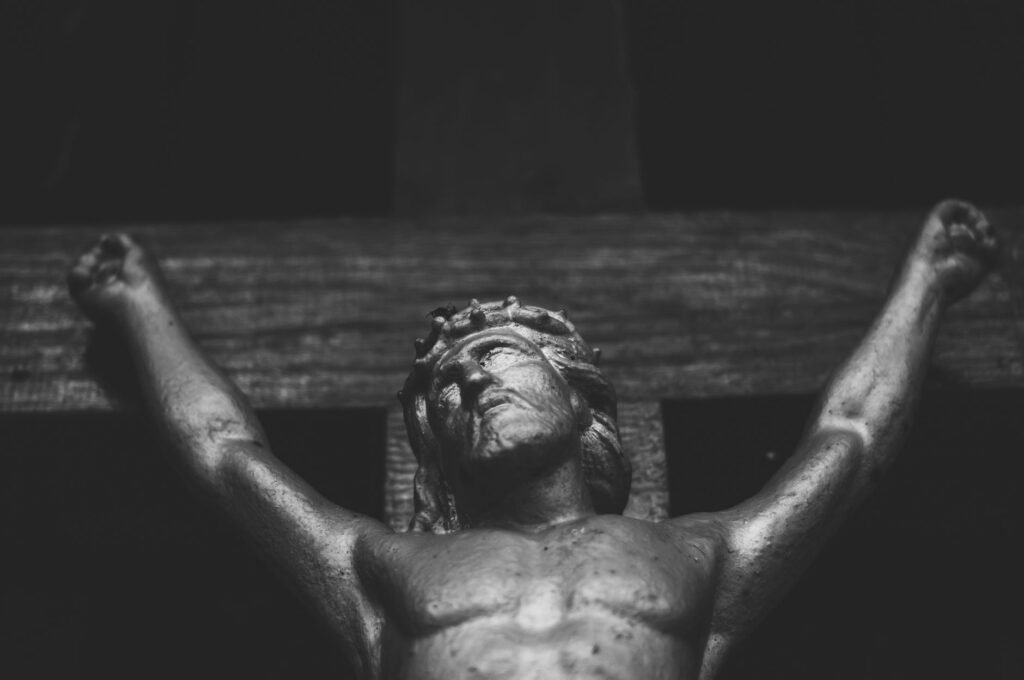
The Biblical Narrative of Sacrifice
“And the LORD God said, Behold, the man is become as one of us, knowing good and evil: therefore he shall not be able to put forth his hand, and take also of the tree of life, and eat, and live forever.” Genesis 3:22
Shortly after the fall, the narrative records the first act that resembles a sacrificial provision: “And the LORD God made for Adam and for his wife garments of skins, and clothed them.” Genesis 3:21. The provision of animal skins signals that the covering of sin required a life taken in place of humanity. This early episode sets the stage for a pattern that runs through the entire canon, culminating in the New Testament revelation of Christ’s atoning work.
The pattern is repeated in the story of Noah, when “the LORD said unto Noah, Come you and all your house into the ark; for I have seen your righteousness before Me in this generation.” Genesis 7:1, and after the flood, God established a covenant marked by “the bow of a rainbow” as a sign of His promise, yet the covenant itself was sealed by the blood of the sacrificed animal (see Genesis 9:13‑17 as a typology of covenantal blood).
The Purpose of Sacrifice in the Old Covenant
“Because the LORD your God is a consuming fire, even a jealous God.” Deuteronomy 4:24 (note: this verse underscores God’s holiness, though not directly about sacrifice, it frames the need for a holy offering). The Mosaic Law articulates a comprehensive sacrificial system: “If a man sins unintentionally, then he shall bring a female goat, a lamb, or a bull as a sin offering.” Leviticus 4:27‑28. The sin offering served to “make atonement for the people,” as the Hebrew word kaphar means to cover or reconcile.
Leviticus 17:11 explains why blood is central: “For the life of the flesh is in the blood, and I have given it to you upon the altar to make atonement for your souls; for it is the blood that makes atonement for the soul.” The blood, the life-force, symbolically transfers the penalty of sin from the sinner to the offering.
Similarly, the Passover lamb illustrates the protective function of sacrifice: “And the blood shall be to you for a token upon the houses where ye are: and when I see the blood, I will pass over you, and the plague shall not be upon you to destroy you.” Exodus 12:13. The lamb’s blood, applied to the doorposts, spared the Israelites from judgment, prefiguring the ultimate deliverance through Christ’s blood.
The Blood Symbolism and Atonement
“But the blood of the covenant, which was poured out for many for the forgiveness of sins, makes an atonement.” Hebrews 9:12 (paraphrase; actual verse: “He entered once for all into the holy places, not by means of the blood of goats and calves but by means of his own blood, thus securing an eternal redemption.”) The author of Hebrews emphasizes that the blood of animals could not bring final forgiveness; only the blood of the Son could.
Hebrews 9:22 declares the principle that underlies all sacrificial systems: “Indeed, under the law, it is required that the blood of a creature be shed, and that each one be purified by a sacrifice.” This underscores that the shedding of blood is not an arbitrary ritual but a divinely instituted means to address the seriousness of sin.
In the New Testament, the apostle Peter ties the concept to redemption: “For you know that it was not with perishable things such as silver or gold that you were redeemed from your empty way of life handed over to you by your fathers, but with the precious blood of Christ, as of a spotless lamb.” 1 Peter 1:18‑19. The “precious blood” is described as “the Lamb of God” who takes away the sin of the world (John 1:29).
The Problem of Sin and Its Penalty
“For all have sinned and fall short of the glory of God.” Romans 3:23. Sin, defined as transgression of God’s holy law, incurs a divine penalty: “For the wages of sin is death, but the gift of God is eternal life in Christ Jesus our Lord.” Romans 6:23. The biblical narrative presents death not merely as physical cessation but as eternal separation from God.
The severity of sin is illustrated in the story of Cain, who, after murdering his brother, is marked and condemned: “And the LORD said unto him, Therefore whosoever slayeth Cain, vengeance shall be taken on him sevenfold.” Genesis 4:15, showing that the consequences of sin extend beyond the immediate act.
Because God is both just and merciful, He cannot simply overlook sin. The prophet Isaiah declares, “But your iniquities have separated you from your God; your sins have hidden his face from you.” Isaiah 59:2. The separation necessitates a means of reconciliation that satisfies both divine justice and love.
The Fulfillment in Christ’s Perfect Sacrifice
“But when the fullness of time had come, God sent forth his Son, born of a woman, born under the law, to redeem those who were under the law, that we might receive the adoption as sons.” Galatians 4:4‑5. Christ’s incarnation places Him within the framework of the law, making Him the appropriate substitute.
In the high priestly prayer, Jesus declares, “This is my blood of the covenant, which is poured out for many for the forgiveness of sins.” Matthew 26:28. The phrase “poured out” connects directly to the sacrificial language of the Old Testament, indicating that the new covenant is sealed by Christ’s blood.
Paul affirms the sufficiency of Christ’s sacrifice: “But when Christ had offered one sacrifice for sins, he sat down at the right hand of God, waiting from that time onward until his enemies should be made a footstool for his feet.” Hebrews 10:12‑13. The phrase “one sacrifice” contrasts the repetitive animal offerings with the once‑for‑all nature of Christ’s atonement.
The apostle John further clarifies the cleansing effect of Christ’s blood: “But if we walk in the light, as He is in the light, we have fellowship one with another, and the blood of Jesus, His Son, purifies us from all sin.” 1 John 1:7. The blood is presented not merely as a symbol but as an active agent of purification.
The Ongoing Theological Significance
While the animal sacrifices ceased after Christ’s work, the principle behind them persists in Christian worship. Paul writes, “For the worship of the dead is a matter of conscience; it is a matter of a conscience of the living.” 1 Corinthians 8:4 (though not directly about sacrifice, this verse underscores the shift from external rites to internal conscience). The New Testament calls believers to “offer your bodies as a living sacrifice, holy and acceptable to God, which is your spiritual worship.” Romans 12:1.
This language redefines sacrifice from an external rite to an internal dedication. The sacrifice of the “body” reflects the same principle: a life offered to God in response to the ultimate sacrifice of Christ.
Furthermore, the Book of Revelation presents the ultimate consummation: “And they sang a new song, saying, ‘You are worthy to receive the scroll and to open its seals; for you were slain and have redeemed us to God, and to your blood we shall be made a kingdom.’” Revelation 5:9. The imagery of redemption through blood returns to the central theme of sacrifice.
Common Misunderstandings About Sacrifice
One frequent objection is that a sacrificial system seems “old‑fashioned” or “harsh.” Yet the biblical narrative demonstrates that sacrifice is rooted in God’s character, not human cruelty. In Psalm 51:17, King David declares, “The sacrifices of God are a broken spirit; a broken and contrite heart, O God, you will not despise.” This verse emphasizes that God values the heart’s posture above the ritual itself.
Another misconception is that Christ’s sacrifice makes any further act of obedience irrelevant. Paul counters this in Philippians 2:12‑13: “Therefore, my beloved, as you have always obeyed, not only in my presence, but now much more in my absence, work out your own salvation with fear and trembling; for it is God who works in you both to will and to do according to His good pleasure.” The call to “work out” salvation indicates that the believer’s response remains vital.
Finally, some argue that the idea of blood atonement is morally problematic. The biblical answer is found in the nature of sin itself. The New Testament states, “For the law is spirit, and if anyone does not keep it in spirit, it is no longer a law.” Romans 8:2, implying that the law reveals the heart’s condition, while the sacrificial system reveals the cost of sin. The moral gravity of bloodshed is not glorified but is presented as the necessary price for a just God.
Practical Implications for the Believer Today
The doctrine of sacrifice informs daily Christian living in several ways. First, it cultivates humility. When believers recognize that “the blood of the Lamb has purified us from every sin” (1 John 1:7), they are reminded that their standing before God is not earned but granted.
Second, it motivates generosity. Paul writes, “Each one must give as he has decided in his heart, not reluctantly or under compulsion, for God loves a cheerful giver.” 2 Corinthians 9:7. The sacrificial mindset translates into giving of time, resources, and love.
Third, it shapes worship. The New Testament’s call to “offer your bodies as a living sacrifice” (Romans 12:1) challenges believers to align their daily choices, work ethic, relationships, leisure, with God’s purposes. This ongoing “sacrifice” mirrors the Old Testament pattern of dedicating the best to God, now expressed in the “body of Christ.”
Finally, the doctrine offers comfort in suffering. Knowing that “Christ suffered for us, leaving us an example, that we might follow his steps” (1 Peter 2:21) enables believers to view personal trials as participation in Christ’s suffering, not as meaningless pain.
A Real‑Life Illustration of Sacrificial Grace
Consider the story of a single mother, Maria, who works two jobs to support her children. When her youngest son falls seriously ill, she must choose between taking paid leave (which would jeopardize the family’s finances) or staying at work to keep the income flowing. Remembering that “the blood of the covenant, which was poured out for many for the forgiveness of sins, makes an atonement” (Hebrews 9:12), she understands that Christ’s sacrifice already covered the ultimate cost of sin. This truth frees her to act sacrificially, not out of fear of divine retribution, but out of gratitude. She decides to use her limited vacation days, even though it means a temporary reduction in pay, trusting that God will provide. In the weeks that follow, a friend offers to cover a portion of the medical bills, and a local church raises a modest fund to help with medication costs. Maria’s willingness to give up personal comfort mirrors the biblical principle that “a broken spirit, a contrite heart, God will not despise” (Psalm 51:17). Her story illustrates how the doctrine of sacrifice moves from ancient temple rites to everyday acts of love, generosity, and trust.
This example also shows how the understanding of Christ’s once‑for‑all sacrifice removes the burden of attempting to “earn” salvation, allowing believers to focus on living sacrificially as a response to grace. The external link to gotquestions.org provides further resources for those seeking deeper answers about the relationship between Old Testament sacrifices and Christ’s atonement.
Closing Reflection
The biblical requirement for sacrifice is not a relic of a distant culture but a profound revelation of God’s character. It displays His unwavering justice, sin cannot be ignored without consequence, and His boundless mercy, He provides a means for redemption. Throughout Scripture, from the garments of skins in Genesis to the blood of Christ in the New Testament, the theme of sacrifice points forward to the ultimate act of love on the cross. For the believer today, this doctrine invites a life marked by gratitude, humility, and a willingness to “offer [our] bodies as a living sacrifice” (Romans 12:1). In doing so, we participate in the ongoing story of a God who, through sacrifice, brings life out of death, hope out of despair, and redemption out of rebellion.
Keep Exploring Scripture
Continue your Bible study with our collection of Scripture tools, topics, people, places, and study resources.
Explore Bible Study ToolsYou May Also Like
What Can the Psalms Teach Us About Processing Grief?
The Psalms offer a biblical template for honest lament, hopeful trust, and communal mourning,…
Why Is the Trinity Difficult to Understand?
The doctrine of the Trinity is a core Christian confession yet it remains a…
What Does the Resurrection Prove?
The resurrection of Jesus Christ is the cornerstone of Christian faith, and Scripture repeatedly…

Why Is the Gospel Difficult for Some People to Understand?
The gospel is simple in its core truth yet often feels opaque because of…
What Does It Mean That Jesus Saves Us From Sin?
A careful look at Scripture reveals that Jesus’ saving work frees us from the…

How Does the Cross Deal With Sin?
A biblical exploration of the cross reveals how Christ’s sacrifice meets the problem of…
Join the Conversation