
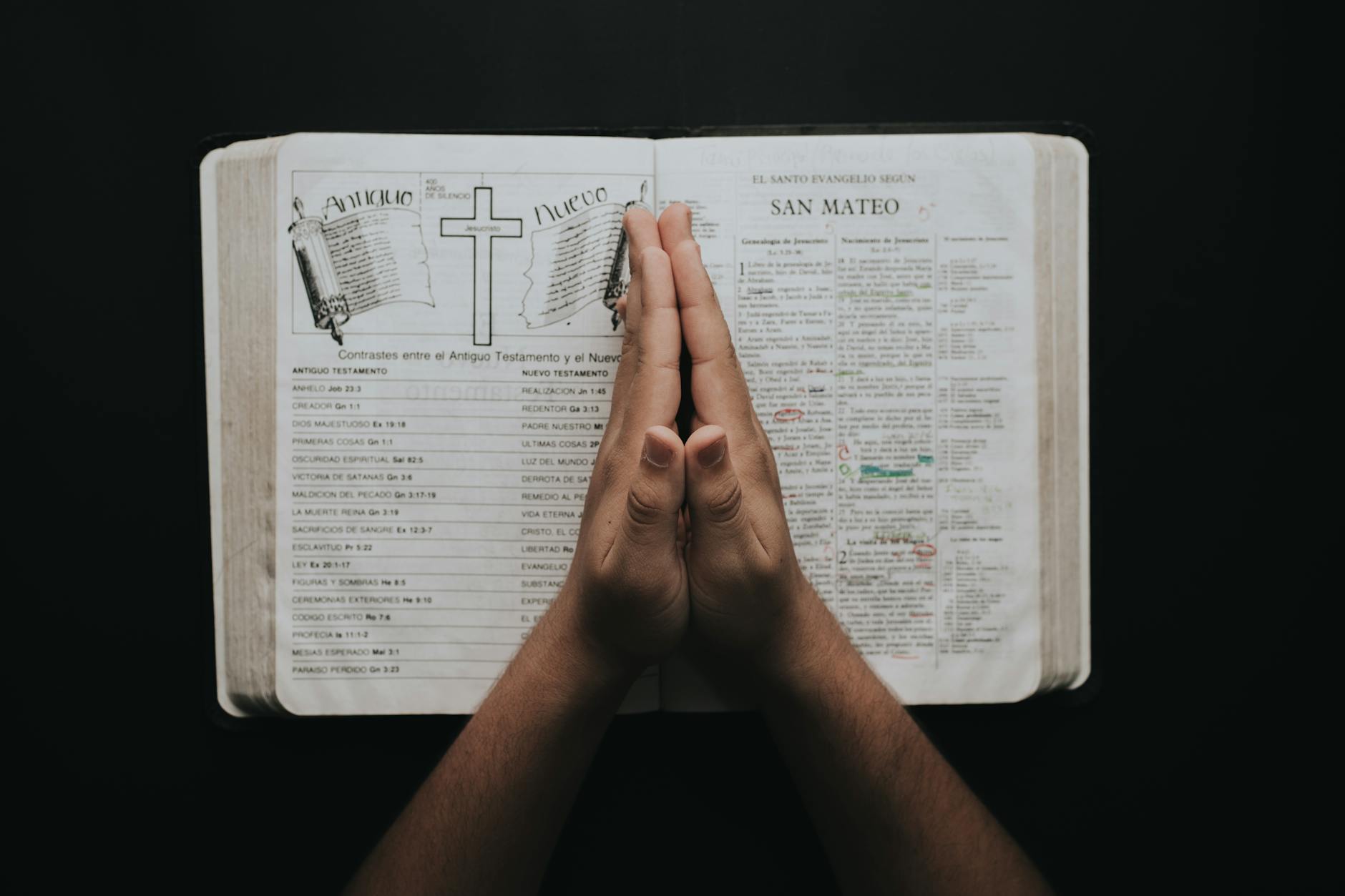
Intercession, understood as a prayerful pleading on behalf of another, appears early in the biblical narrative and is rooted in the relational character of God. In Genesis 18:23 Abraham confronts God, asking, “Will you indeed sweep away the righteous with the wicked?”—a request that inaugurates the biblical motif of a faithful individual appealing to divine mercy for the sake of a community. Scholars note that Abraham’s dialogue exemplifies a covenantal partnership, where the believer’s concern for others is woven into God’s redemptive plan (see also the surrounding verses of Genesis 18:24‑33).
The most prominent Old Testament intercessor is Moses, whose advocacy for Israel after the golden‑calf incident demonstrates the intensity of his concern. He implores the LORD, “Why, LORD, why do you intend to bring disaster on your people?” (Exodus 32:11), and later, in response to Israel’s rebellion, he petitions, “Do not be angry with the people of Israel, even though they have rebelled against me” (Numbers 14:13). These prayers highlight a pattern in which intercession is linked to covenant fidelity; Moses’ role as mediator anticipates later theological concepts of a mediating high priest.
Prophetic intercession continues the tradition, with Daniel offering a vivid example of corporate prayer. In the midst of exile, he “turned to the Lord God and pleaded with him in prayer and petition, in fasting, and in sackcloth and ashes” (Daniel 9:3). Daniel’s prayer combines confession, petition, and supplication, and its structure has informed later Christian liturgical models. Some commentators argue that the specificity of the “fasting” element underscores an embodied humility essential to effective intercession.
In the New Testament the focus shifts to the person of Christ as the ultimate intercessor. The apostle Paul affirms that “who also maketh intercession for us” is the risen Lord, quoting Romans 8:34 (KJV). This claim is reinforced in Hebrews 7:25 (KJV): “He ever liveth to make intercession for them.” The theological consensus is that Christ’s perpetual advocacy replaces the need for a human high priest, yet it does not eliminate the believer’s call to pray for others.
Nevertheless, the early church preserved the practice of human intercession. Paul exhorts believers, “that petitions, prayers, intercession and thanksgiving be made for all people” (1 Timothy 2:1, NIV), indicating that intercessory prayer remains a communal responsibility. While some traditions emphasize the priestly nature of this duty, most scholars agree that the New Testament presents intercession as a partnership with Christ’s own advocacy, encouraging the faithful to join in the heavenly dialogue on behalf of the world.
6 passages, pulled live from the reader below.