
How Can I Give My Worries to God?
How do you give your worries to God? Learn what 1 Peter 5:7 and Philippians 4:6-7 teach, with simple, practical steps to release anxiety in prayer.


Short answer: To give your worries to God, pray and cast your anxieties onto Him, as advised in 1 Peter 5:7. Trust in His care and sovereignty to find peace amid your concerns.
Key Takeaways
- Worry is a common human experience.
- Scripture calls us to cast our anxieties on God.
- Prayer is essential for releasing worries.
- Community support helps alleviate feelings of isolation.
Understanding Worry and Anxiety
Worry and anxiety are common experiences that many individuals face at various stages of life. From financial pressures and health concerns to relational conflicts and existential fears, life presents numerous challenges that can provoke heightened emotional responses. These feelings often echo the human condition, which has been observed and documented since biblical times. In His teachings, Jesus directly addresses these emotions, particularly in Matthew 6:34, where He advises, “Therefore do not be anxious about tomorrow, for tomorrow will be anxious for itself. Sufficient for the day is its own trouble.” This passage underscores the reality of our daily struggles and emphasizes the importance of grounding ourselves in the present moment.
Worry can manifest as excessive rumination about future events that may never occur, leading to a cascade of negative thoughts. It can stem from various sources, financial insecurity, health crises, family dynamics, work-related stress, or relational conflicts. Each concern can weigh heavily on the heart and mind, often resulting in feelings of helplessness and despair. Understanding the origins and implications of our worries can assist us in recognizing the urgency to seek God’s guidance and presence in our lives.
Consider the scenario of a working parent who is balancing their job and family commitments. Each day may present unique challenges, such as meeting work deadlines while ensuring their children are cared for and nurtured. The relentless cycle of responsibilities can breed anxiety about being able to provide and succeed across multiple fronts. In seeking to control these circumstances, the parent might often find themselves overwhelmed. It is in these moments that biblical truths remind us to surrender our worries to God, focusing instead on the here and now where His strength can support us.
The Scriptural Call to Release Worries
Scripture is filled with exhortations for believers to release their cares and anxieties to God. A well-known passage that embodies this call is found in 1 Peter 5:7: “Casting all your anxieties on him, because he cares for you.” This instruction emphasizes not only the action of casting our worries onto God but also the profound truth that He genuinely cares for our well-being. It serves as a powerful reminder that we are not alone in our struggles.
In addition to this, Philippians 4:6-7 instructs us, “do not be anxious about anything, but in everything by prayer and supplication with thanksgiving let your requests be made known to God.” Paul offers an insightful and practical approach to dealing with worry, through prayer and thanksgiving, we can present our requests to God. This process helps us not only articulate our concerns but also cultivates an attitude of gratitude, which can usher in God’s peace. The result is a transformative experience: instead of dwelling in anxiety, we are invited to access a peace that “surpasses all understanding,” allowing us to navigate through our fears with assurance.

The Importance of Prayer
Prayer serves as a vital communication channel between believers and God. It provides an opportunity to express our deepest fears, doubts, and concerns while also creating space to listen for divine guidance and reassurance. In Matthew 7:7, we read, “Ask, and it will be given to you; seek, and you will find; knock, and it will be opened to you.” This verse encourages believers to actively engage with God, underscoring the trust we place in Him by seeking answers and interventions. It portrays prayer not merely as a ritual but as an active engagement with the Living God who desires to commune with us in our struggles.
Setting aside daily time for prayer is essential. For instance, an individual might establish a morning routine dedicated to prayer, using this quiet time to reflect on their worries and present them to God. By articulating concerns aloud in prayer, a tangible release occurs, allowing for divine peace as they transition into the demands of the day. Incorporating specific focus points, such as current challenges at work or relationships needing healing, can help in crafting prayers that feel genuine and heartfelt.
A real-life example of this can be observed in the practice of a mother who, prior to her children waking up, spends time in prayer. She takes each concern, whether about a child’s schooling or her own work stress, and lays them before God, often journaling her thoughts. This practice not only grounds her for the day ahead but also fosters a sense of calmness and assurance. Setting aside this time creates a spiritual rhythm that reinforces the importance of prayer in her life.
Incorporating Scriptures into Our Lives
Another effective strategy is to memorize and meditate on Scripture verses that address worry and anxiety. Engaging with these passages can be a source of comfort and strength during times when worries begin to rise. The book of Psalms, in particular, is rich with verses expressing profound trust in God amid trials. For instance, Psalm 55:22 states, “Cast your burden on the Lord, and he will sustain you; he will never permit the righteous to be moved.” This verse serves as both a command and a promise, reaffirming that God will uphold those who turn to Him in their times of distress.
Additionally, integrating these Scriptures into our everyday environment can yield profound benefits. One might write specific verses on sticky notes, placing them in visible locations, like on a desk, mirror, or refrigerator, as constant reminders of God’s presence in their lives. Such visible affirmations serve as invitations to redirect anxious thoughts to the promises laid out in Scripture, reminding believers of God’s eternal faithfulness.
A relevant example could involve a college student facing overwhelming anxiety before exams. This student might choose to write Philippians 4:13 on their whiteboard, which states, “I can do all things through him who strengthens me.” By repeating this verse during study breaks, they can refocus their minds on God’s support instead of drowning in self-doubt.
Journaling as a Means of Release
Adopting a journaling practice can also be an effective way to articulate, clarify, and manage worries. Writing down one’s concerns can provide a sense of distance and make them feel more manageable. A dedicated prayer journal can become a sacred space for pouring out one’s heart to God, documenting worries and reflecting on His responses over time. Paul’s encouragement in Philippians 4:8 highlights the importance of focusing thoughts on what is true, honorable, just, pure, lovely, and commendable, suggesting that interpretation of thoughts holds immense power over emotions.
An individual might begin each journaling session by listing their worries, leading to a significant emotional release. Following this, they might practice gratitude by reflecting on what they are thankful for, concluding with affirmations of faith or the promises of Scripture. Over time, these journal entries can visibly track how God has intervened and helped alleviate worries, creating an encouraging narrative to look back upon.
For example, a young adult facing uncertainty in career choices might write down disheartening thoughts about the future. However, through consistent journaling, they might reflect on past moments of God’s provision and guidance, leading them to a place of renewed hope and expectancy for what is yet ahead.
Finding Community Support
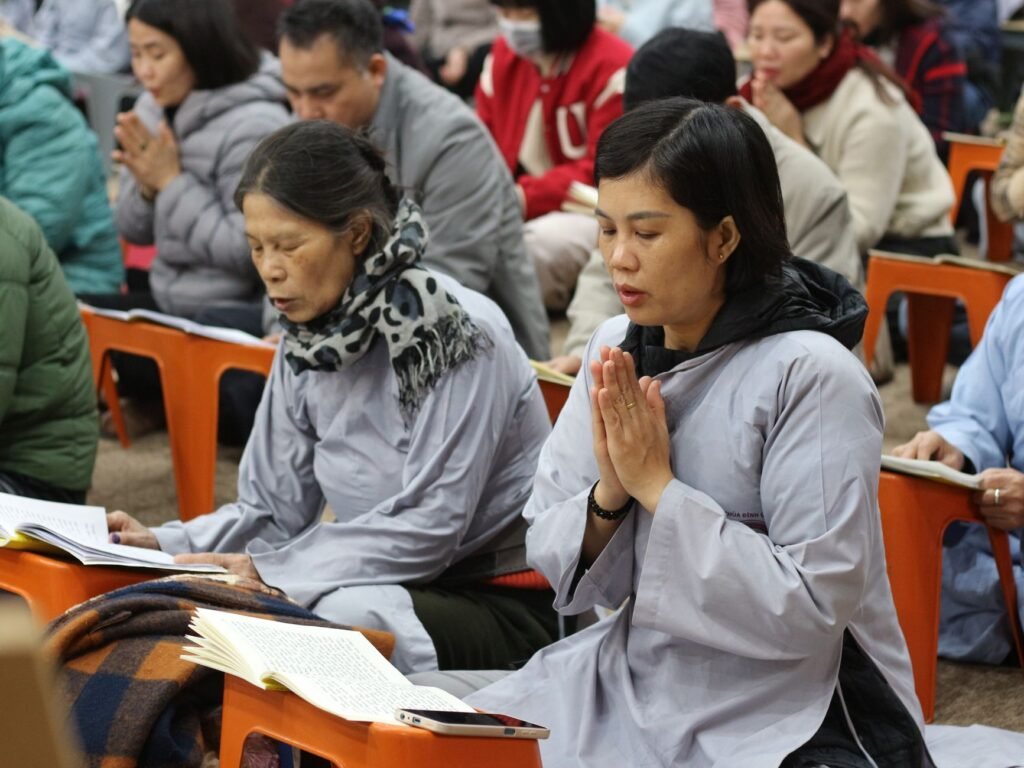
Sharing burdens with others within a faith community can significantly alleviate feelings of isolation caused by anxiety. Fellowship with other believers can create opportunities for support through prayer, encouragement, and accountability. In Galatians 6:2, we are invited to “bear one another’s burdens, and so fulfill the law of Christ.” Being part of a smaller group or congregation allows for collective vulnerability, lifting concerns to God during communal prayer, fostering a rich environment for God’s presence to be felt.
For instance, during a small group meeting, members may share their struggles, and someone might express anxiety about a family situation. This creates an opportunity for the group to come together in prayer, each person lifting that concern to God collectively. Moments like these not only provide spiritual support but also cultivate deeper connections among members.
Moreover, the act of verbalizing worries often itself serves as an important step in release. The burden of carrying these feelings alone can be alleviated simply by sharing them within a community of faith.
Understanding God’s Sovereignty
A foundational aspect of releasing our worries to God lies in the understanding of His sovereignty. Believing that God is in control of every situation can significantly alleviate the heavy burden of worry. In Isaiah 41:10, God reassures us with the promise: “Fear not, for I am with you; be not dismayed, for I am your God; I will strengthen you, I will help you, I will uphold you with my righteous right hand.” This verse serves as an anchor for our faith, reaffirming that God is actively present in our lives, working on our behalf.
Even when circumstances appear grim, understanding God’s greater plan can bring profound comfort. The story of Joseph in the Book of Genesis illustrates this resilience beautifully. Joseph faced numerous trials, from being sold into slavery by his brothers to being wrongfully imprisoned. Yet through faith, he ultimately recognized God’s purpose in his life when he became a leader capable of saving countless lives during a famine (Genesis 50:20). Reflecting on such narratives can foster a deeper faith during personal trials, reminding us that God’s plans often extend beyond our immediate circumstances.
Replacing Worry with Faith and Trust
Developing a habit of replacing worry with faith and trust requires conscious effort and practice. This intentional shift often involves reminding ourselves of God’s past faithfulness and promises. Psalm 37:5 encourages believers to “Commit your way to the Lord; trust in him, and he will act.” Surrendering our concerns to God invites His active participation in our lives, leading us away from fear toward faith.
Practically, implementing positive affirmations can help in this transition. For instance, when faced with a stressful life event, one might repeat aloud, “I trust that God has a plan for me,” or “I give this worry to God.” Additionally, establishing routine reminders throughout the day, perhaps scheduling brief moments of prayer or reflective breathing, can redirect anxious thoughts toward trust in God.
For example, an employee facing job instability might decide to use their lunch hour for quiet reflection and prayer. This intentional choice reorients their focus throughout the week and gently reminds them that God is in control, no matter how challenging the situation may appear.
Encountering God’s Peace
As we engage actively in these practices, being receptive to experiencing God’s peace is crucial. In John 14:27, Jesus promises, “Peace I leave with you; my peace I give to you. Not as the world gives do I give to you. Let not your hearts be troubled, neither let them be afraid.” This divine peace transcends human understanding and provides profound comfort amid chaos.
Encountering this peace may necessitate intentional solitude and reflection. Finding a tranquil setting on a regular basis, such as a local park or quiet room at home, can facilitate moments of meditation on Scriptures pertaining to peace. This dedicated time invites peace into one’s heart and fosters resilience against future worries.
A relatable scenario could involve a retiree reflecting on their life after losing a spouse. Participating in a weekly Bible study focused on God’s promises may help them encounter peace amidst their grief, transforming their feelings of isolation into hope as they learn to trust again. By practicing biblical meditation, they can begin to feel the assurance that God holds their future.

Embracing Ongoing Growth and Transformation
Even as we practice these biblical tools for handling worry, it is vital to recognize that spiritual growth is an ongoing journey. Regrettably, there may be moments of regression when worries feel overwhelming. This experience is part of the process. Philippians 1:6 offers comforting assurance, stating, “And I am sure of this, that he who began a good work in you will bring it to completion at the day of Jesus Christ.” This encourages us that God is continuously at work within us, even during our moments of struggle and unease.
With every small step taken to release our worries to God, gradual transformation occurs. Over time, our reliance on God can deepen significantly, enabling us to confront life’s challenges with a renewed perspective. Consider the individual who previously struggled with anxiety in social settings but through persistent prayer, reflection, and Scripture engagement begins to experience growth and freedom. In sharing their journey with others, they become a testament to how God’s hand at work can lead to genuine progress.
The Role of Faith in Giving Worries to God
Ultimately, giving our worries to God is a matter of faith, believing that He cares, that He hears our prayers, and that He will act in His perfect timing. Trusting in God’s character and nature fosters significant surrender. The concept of faith is beautifully illustrated in Hebrews 11:1, which states, “Now faith is the assurance of things hoped for, the conviction of things not seen.” With this conviction, believers can release their burdens fully, confident in the truth that God governs all circumstances.
Every reminder of God’s promises serves as a stepping stone away from anxiety toward hope. The more we lean into God’s word, community, and prayer, the more equipped we become to handle life’s challenges without succumbing to worry’s grip. Each act of faith creates a positive cycle, encouraging us and those around us to embrace a lifestyle of joy grounded in trust and reliance on God’s goodness.
Frequently Asked Questions
How can I stop worrying?
Start by identifying your worries and bringing them to God in prayer. Philippians 4:6-7 encourages us to present our requests to God with thanksgiving.
What does the Bible say about anxiety?
The Bible teaches us not to be anxious and to cast our cares on God, as seen in 1 Peter 5:7.
How can prayer help with anxiety?
Prayer provides a channel for expressing our fears and receiving God's peace, fostering a deeper relationship with Him.
What role does community play in managing worry?
Sharing burdens within a community offers support and accountability, fulfilling the call to bear one another's burdens as stated in Galatians 6:2.
Conclusion: Walking in Faith and Trust
In a world filled with anxiety and uncertainty, learning how to give our worries to God is essential for spiritual growth and emotional well-being. By engaging in prayer, meditating on Scripture, and seeking community support, believers can release their burdens and experience profound peace. The process may require diligence and perseverance, but through faith and trust, we can learn to navigate life’s storms with a sense of serenity and hope.
As we embark on this ongoing journey of giving our worries to God, let us remember that He is a faithful and loving Father who promises to uphold us through tribulation. For additional resources and insights on seeking God’s guidance during uncertain times, you may visit this link. May we walk continually in faith, transforming our worries into heartfelt prayers of hope and trust, inviting God’s peace to reign in our hearts and minds.
Keep Exploring Scripture
Continue your Bible study with our collection of Scripture tools, topics, people, places, and study resources.
Explore Bible Study ToolsYou May Also Like

What Does It Mean to Be Strong in the Lord?
Discover what it truly means to be strong in the Lord through Scripture and…

What Does the Bible Say About Being Strong?
Discover what the Bible says about being strong, including key verses and practical insights…

How Can God Give Me Strength?
Discover how God gives strength through prayer, Scripture, community, and His Spirit, empowering you…

How Can I Overcome Discouragement?
Discover practical steps to overcome discouragement through faith, prayer, community support, and God’s promises.

What Does the Bible Say About Discouragement?
Discover what the Bible says about discouragement and find encouragement in Scripture to overcome…

How Can I Know God Is With Me When I’m Lonely?
Discover how to find God's presence during lonely times with scriptural insights and practical…
Join the Conversation