
What Is Prayer According to Scripture: Understanding Its Purpose
Discover what prayer is according to Scripture and understand its purpose in the life of a believer.


Key Takeaways
- Prayer is communication with God.
- It serves to strengthen our relationship with Him.
- Prayer is an expression of faith and dependence.
- Scripture emphasizes both personal and communal prayer.
What Is Prayer According to Scripture: Understanding Its Purpose
Prayer is a vital aspect of the Christian faith, serving as a means of communication with God. According to Scripture, prayer is not merely a ritual but a profound way to connect with the Creator, as seen in Philippians 4:6, which encourages believers to present their requests to God through prayer and supplication.
Understanding prayer’s purpose is essential for every believer. It is through prayer that we express our dependence on God, seek His guidance, and nurture our relationship with Him. Prayer is both a personal and communal activity, embodying the essence of Christian living.
In this article, we will explore various dimensions of prayer as presented in the Bible, including its nature, purpose, and practical applications for everyday life.
The Nature of Prayer
Prayer, at its core, is an act of communication with God. It can take various forms, including adoration, confession, thanksgiving, and supplication. Each of these components plays a crucial role in the believer’s prayer life.
1. **Adoration**: This form of prayer focuses on worshiping God for who He is. It acknowledges His holiness, power, and love. Psalms 95:6 states, “Oh come, let us worship and bow down; let us kneel before the Lord, our Maker!”
2. **Confession**: Through confession, believers acknowledge their sins and shortcomings before God. 1 John 1:9 assures us that if we confess our sins, He is faithful and just to forgive us and cleanse us from all unrighteousness.
3. **Thanksgiving**: Expressing gratitude is a vital aspect of prayer. Colossians 3:17 encourages believers to give thanks to God in everything they do. This act of gratitude fosters a spirit of humility and appreciation for God’s blessings.
4. **Supplication**: This refers to making requests known to God. Philippians 4:6 encourages believers to present their requests to God in prayer, trusting Him to provide according to His will.
The Purpose of Prayer
The purpose of prayer extends beyond simply asking for things. It encompasses various spiritual and relational dimensions that enrich the believer’s life.
1. **Building a Relationship with God**: Prayer fosters intimacy with God, allowing believers to communicate openly with Him. Just as relationships grow through communication, so does the relationship between a believer and God through prayer.
2. **Seeking Guidance and Wisdom**: Prayer is a means to seek God’s guidance in decision-making. James 1:5 encourages believers to ask God for wisdom, who gives generously to all without finding fault.
3. **Strengthening Faith**: Regular prayer reinforces a believer’s faith. When prayers are answered, it serves as a reminder of God’s faithfulness, encouraging further trust. For instance, consider a situation where someone is facing a difficult job decision. By praying earnestly for direction, they may experience clarity and peace, reinforcing their trust in God’s plan.
Types of Prayer
Understanding the different types of prayer can enhance the believer’s prayer life. Here are some common types, each serving specific purposes:
- Individual Prayer: Personal prayers are essential for individual believers. They allow for intimate dialogue with God.
- Corporate Prayer: Engaging in prayer with a community strengthens bonds among believers. Matthew 18:20 states, “For where two or three are gathered in my name, there am I among them.”
- Intercessory Prayer: This involves praying on behalf of others, asking God to intervene in their lives. 1 Timothy 2:1 urges believers to make supplications, prayers, intercessions, and thanksgivings for all people.
- Contemplative Prayer: This type of prayer focuses on listening to God rather than speaking. It allows believers to meditate on God’s word and presence.

How to Pray Effectively
Knowing how to pray effectively can deepen the believer’s prayer life. Here are some practical steps to consider:
- Set Aside Time: Dedicate a specific time each day for prayer. Consistency helps cultivate a habit.
- Find a Quiet Space: Choose a location free from distractions to focus entirely on God.
- Use Scripture: Incorporate Bible verses into your prayers. Praying Scripture can align your heart with God’s will.
- Be Sincere: Approach God with honesty. Share your thoughts and feelings openly.
- Listen: Allow time for silence. Listening for God’s response is as important as speaking.
The Role of the Holy Spirit in Prayer
The Holy Spirit plays a significant role in prayer, guiding and empowering believers in their communication with God. Romans 8:26-27 explains that the Spirit helps in our weakness and intercedes for us according to the will of God.
1. **Assisting in Prayer**: The Holy Spirit assists believers when they do not know what to pray for. This divine assistance ensures that prayers align with God’s purposes.
2. **Inspiring Prayer**: The Spirit can inspire believers to pray for specific needs and situations, prompting them to intercede for others.
3. **Convicting of Sin**: The Holy Spirit also convicts believers of sin, leading them to confess and seek forgiveness through prayer.
Challenges in Prayer
Many believers face challenges in their prayer life. Recognizing and addressing these obstacles can enhance the prayer experience.
- Lack of Time: Busy schedules can hinder prayer. Consider setting reminders or integrating prayer into daily routines.
- Distractions: In a world filled with distractions, finding a quiet space for prayer can help maintain focus.
- Doubt: Sometimes, doubts about the effectiveness of prayer can arise. Remembering God’s promises in Scripture can help overcome these doubts.
- Lack of Confidence: Some may feel unworthy to approach God. Understanding that prayer is a grace-filled invitation can foster confidence.
The Impact of Prayer on the Believer’s Life
Transformative Power of Prayer
Prayer serves as a powerful catalyst for transformation in the life of a believer. In Romans 12:2, Paul encourages Christians to be transformed by the renewing of their minds, which can be significantly influenced through prayer. When we engage in prayer, we open our hearts and minds to God’s will, allowing Him to shape our desires and align them with His purpose. This transformative aspect of prayer is not just a change in circumstances but a profound change within us.
As we pray, we often find that our fears, doubts, and anxieties are lifted. Philippians 4:6-7 reminds us to present our requests to God with thanksgiving, and in doing so, the peace of God, which surpasses all understanding, will guard our hearts and minds. This peace acts as a balm that soothes our troubled spirits, enabling us to face life’s challenges with confidence and calmness.
Prayer as a Means of Building Community
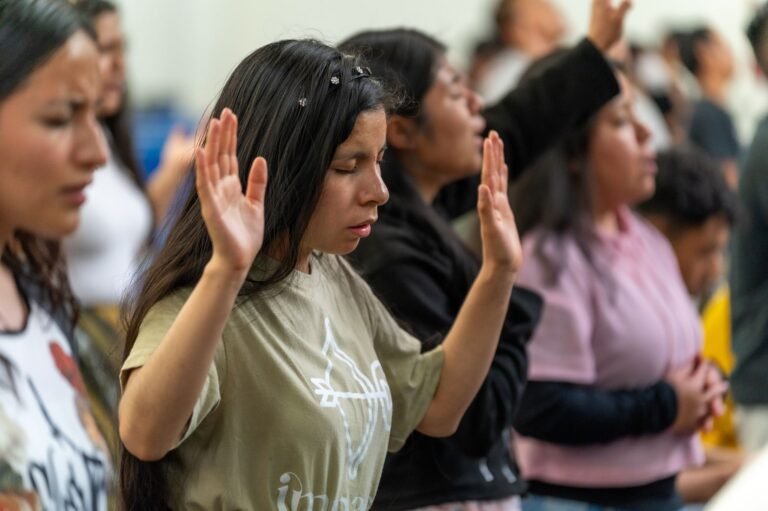
Prayer is not only a personal act but also a communal one. In Matthew 18:19-20, Jesus emphasizes the power of collective prayer, stating that where two or three are gathered in His name, He is present among them. This highlights the importance of praying together as a church community, which fosters unity and spiritual growth.
When believers come together in prayer, they share their burdens, joys, and victories, creating a deeper bond within the community. Acts 2:42 illustrates the early church’s commitment to prayer, which was foundational to their fellowship. Here are some benefits of communal prayer:
- Strengthens Relationships: Praying together deepens connections among believers.
- Encourages Accountability: When we pray with others, we become more accountable in our spiritual journeys.
- Enhances Spiritual Growth: Collective prayer often leads to shared insights and growth in understanding God’s word.
The Role of Prayer in Spiritual Warfare
Understanding Spiritual Warfare
Scripture clearly outlines that we are engaged in a spiritual battle. Ephesians 6:12 states that our struggle is not against flesh and blood but against spiritual forces of evil. Prayer becomes a vital weapon in this spiritual warfare, allowing believers to call upon God’s power to confront and overcome spiritual opposition. Through prayer, we seek God’s intervention in battles that are beyond our control.
In 2 Corinthians 10:4, Paul explains that the weapons we fight with are not weapons of the world but have divine power to demolish strongholds. This emphasizes that prayer, combined with faith in God, can dismantle barriers that the enemy erects in our lives, enabling us to live freely and victoriously.
Equipping Ourselves for Battle
In the context of spiritual warfare, prayer serves as a means of equipping ourselves with the armor of God. Ephesians 6:18 encourages believers to pray in the Spirit on all occasions with all kinds of prayers and requests. This continual prayer not only prepares us for battle but also helps us remain alert and vigilant against the schemes of the enemy.
To effectively engage in spiritual warfare through prayer, consider the following strategies:
- Pray Scripturally: Use Scripture in your prayers to declare God’s promises and truths.
- Be Persistent: Luke 18:1 teaches the importance of always praying and not giving up.
- Stay Connected: Maintain a close relationship with God through regular prayer to ensure spiritual readiness.
The Relationship Between Prayer and God’s Will
Aligning Our Prayers with God’s Will
Understanding the relationship between prayer and God’s will is essential for effective communication with Him. 1 John 5:14 states that if we ask anything according to His will, He hears us. This indicates that prayer is not merely about presenting our desires but actively seeking to align our requests with what God desires for us and others.
When we pray with a focus on God’s will, we develop a deeper understanding of His character and intentions. James 4:3 warns against asking with wrong motives, emphasizing that our prayers should reflect a heart that seeks God’s glory rather than our own agendas. This selflessness in prayer leads to a more profound faith and trust in God’s plan.
Recognizing God’s Response to Prayer
God’s response to prayer can come in various forms: yes, no, or wait. Isaiah 30:18 reminds us that the Lord longs to be gracious to us and therefore will rise up to show us compassion. Understanding that God’s answers may differ from our expectations is crucial for spiritual maturity. He sees the bigger picture and knows what is ultimately best for us.
To recognize God’s responses to our prayers, consider these points:
- Be Attentive: Pay attention to the subtle nudges or changes in your circumstances that may indicate God’s guidance.
- Look for Peace: God often provides a sense of peace that can confirm His answer.
- Seek Wise Counsel: Sometimes God speaks through trusted friends and mentors who offer biblical wisdom.

The Role of Community in Prayer
Prayer in Corporate Worship
Prayer often takes on a communal aspect during corporate worship. In Acts 2:42, we see that the early church devoted themselves to prayer alongside teachings and fellowship. This highlights how prayer is not just an individual act but a collective expression of faith. When believers gather to pray, they create a spiritual atmosphere that encourages mutual support and strengthens the body of Christ.
Additionally, James 5:16 instructs believers to confess their sins to one another and pray for each other, which can lead to healing. Corporate prayer fosters accountability and communal growth, as believers lift each other up in their spiritual journeys.
- Encouragement and support
- Collective focus on God’s presence
- Shared burdens and joys
Prayer Groups and Accountability Partners
Establishing prayer groups or accountability partners can significantly enhance one’s prayer life. In Matthew 18:20, Jesus states, “For where two or three gather in my name, there am I with them.” This emphasizes the power of unity in prayer. When individuals come together with a shared intention, their prayers can be more fervent and impactful.
Moreover, prayer partners can provide encouragement and maintain motivation, ensuring that prayer remains a priority in one’s life. They can also help individuals discern God’s voice and will through shared prayer experiences.
- Regular prayer meetings
- Encouragement in spiritual growth
- Support during difficult times

The Importance of Listening in Prayer
Understanding Prayer as a Two-Way Communication
While prayer is often seen as speaking to God, it is equally important to recognize the need for listening. In Psalm 46:10, God says, “Be still, and know that I am God.” This verse emphasizes the value of quietness and stillness in prayer, allowing believers to hear God’s voice. Listening in prayer can lead to deeper understanding and guidance in life’s decisions.
Moreover, in John 10:27, Jesus states, “My sheep hear my voice, and I know them, and they follow me.” This illustrates the intimate relationship between the believer and Christ, where listening is essential for obedience and trust in God’s direction.
- Practice stillness and silence
- Seek God’s guidance through Scripture
- Be open to unexpected answers
Reflections and Journaling
To enhance the listening aspect of prayer, many find it helpful to keep a prayer journal. This practice allows individuals to reflect on their prayers, noting how God responds over time. Habakkuk 2:2 encourages believers to “write the vision and make it plain.” Journaling can help clarify thoughts and feelings, making it easier to discern God’s voice amidst daily distractions.
Furthermore, reflecting on past prayers can lead to increased faith as one witnesses God’s faithfulness in their lives. It serves as a reminder of answered prayers and provides encouragement during challenging times.
- Track prayer requests and answers
- Document spiritual growth
- Reflect on God’s faithfulness
The Transformative Power of Prayer
Prayer as a Tool for Personal Transformation
Prayer is not only about seeking God’s intervention; it is also a powerful tool for personal transformation. Romans 12:2 urges believers to “not be conformed to this world, but be transformed by the renewal of your mind.” Through prayer, individuals can present their thoughts and desires to God, allowing Him to reshape their perspectives and attitudes.
Constant dialogue with God can lead to profound inner change, enabling believers to align their desires with His will. This transformative power is evident in the lives of those who commit to prayer as a lifestyle rather than a ritual.
- Change in desires and motivations
- Increased awareness of sin
- Growth in spiritual maturity
Prayer and the Development of Character
As believers engage in prayer, they often experience growth in their character traits. Galatians 5:22-23 lists the fruits of the Spirit, including love, joy, peace, and patience, which can be cultivated through prayer. By seeking God’s presence regularly, individuals are more likely to embody these characteristics in their daily lives.
Moreover, prayer fosters humility as one acknowledges their dependence on God. Philippians 4:6-7 encourages believers to present their requests to God, allowing His peace to guard their hearts and minds. This humility and reliance on God can lead to a more Christ-like demeanor and improved relationships with others.
- Development of the fruits of the Spirit
- Increased humility and dependence on God
- Strengthened relationships through love and patience
Frequently Asked Questions
What should I say when I pray?
Prayer can be as simple as speaking to God as you would speak to a trusted friend. You may express your thoughts, feelings, and needs openly. Using Scripture as a guide can also help shape your prayers.
How often should I pray?
There is no set rule for how often to pray. However, 1 Thessalonians 5:17 encourages believers to “pray without ceasing,” suggesting that maintaining a consistent prayer life is important.
Can I pray anywhere?
Yes, prayer can be done anywhere. God is always present, and you can communicate with Him in any setting, whether at home, work, or outdoors.
Why does God not answer my prayers?
God answers prayers in His way and timing. Sometimes answers may be delayed, or the answer may be different than expected. Trusting in God’s wisdom and plan is essential.
The Bottom Line
Prayer is a fundamental aspect of the Christian faith, serving to connect believers with God, express dependence, and seek guidance. Embracing the various dimensions and purposes of prayer enriches the believer’s spiritual life, fostering a deeper relationship with the Creator.
For further study on this topic, GotQuestions.org is a helpful resource: https://www.gotquestions.org/
Keep Exploring Scripture
Continue your Bible study with our collection of Scripture tools, topics, people, places, and study resources.
Explore Bible Study ToolsYou May Also Like

How to Start Praying: A Guide from Scripture
Learn how to start praying with this comprehensive guide from Scripture, providing practical steps…
How to Pray the Lord’s Prayer According to Scripture
Learn how to pray the Lord's Prayer according to Scripture, following each phrase and…

Understanding God’s Silence: Why Doesn’t He Answer My Prayer?
Learn why God may seem silent in response to your prayers and how to…

How Gratitude Transforms Your Relationship With God
Gratitude deepens your relationship with God by fostering joy, enhancing faith, and encouraging connection…

What Does the Bible Say About Spiritual Warfare
Discover what the Bible says about spiritual warfare, including key verses and practical applications…

How to Fast and Pray According to Scripture
Discover practical ways to fast and pray according to Scripture, enhancing your spiritual growth…
Join the Conversation