
How to Start Praying: A Guide from Scripture
Learn how to start praying with this comprehensive guide from Scripture, providing practical steps and biblical insights.


Key Takeaways
- Prayer is a direct communication with God.
- The Bible provides clear examples of prayer.
- Establishing a prayer routine can deepen your faith.
- Trust in God's response to your prayers.
How to Start Praying: A Guide from Scripture offers practical steps to begin a meaningful prayer life. Prayer is simply talking to God, and it can be done anywhere, anytime. As Paul reminds us in 1 Thessalonians 5:17, we are called to “pray without ceasing.” This guide will explore the foundations of prayer, examples from Scripture, and practical tips for establishing a prayer routine.
Prayer may seem daunting at first, but it is fundamentally about relationship. Just as friends communicate regularly, so too does God desire to hear from us. In Jeremiah 29:12, God promises, “Then you will call upon me and come and pray to me, and I will hear you.” This assurance can inspire confidence as you start your journey in prayer.
Throughout Scripture, prayer is presented as a vital aspect of a believer’s life. It is a way to express gratitude, seek guidance, and intercede for others. Let’s explore how to engage in prayer, drawing on biblical teachings to guide us.
Understanding Prayer
To start praying, it’s essential to understand what prayer is. At its core, prayer is communication with God. It involves speaking, listening, and being present with the Lord. In Matthew 6:6, Jesus instructs us to pray in private, emphasizing the importance of sincerity over public display. This personal approach fosters an intimate connection, allowing us to share our hearts openly.
Prayer can take many forms, including adoration, confession, thanksgiving, and supplication. The acronym ACTS is a helpful way to remember these categories:
- Adoration: Worship God for who He is.
- Confession: Acknowledge and repent of sins.
- Thanksgiving: Express gratitude for blessings.
- Supplication: Present requests for yourself and others.
> By incorporating these elements, we can create a balanced prayer life that honors God and reflects our reliance on Him.
Consider a typical situation: imagine someone like Sarah, who feels overwhelmed by life’s challenges. She may begin her prayer by adoring God for His goodness, confessing her worries and doubts, thanking Him for past provisions, and finally bringing her requests for strength and guidance. This structured approach can help her articulate her thoughts and feelings more clearly.
Finding Your Prayer Space
Creating a dedicated space for prayer can enhance your experience. A quiet, comfortable area where you can focus on God without distractions is ideal. In Mark 1:35, we see that Jesus often retreated to solitary places to pray. Establishing a similar practice can help you cultivate a habit of prayer.
As you choose your space, consider the following factors:
- Comfort: Ensure the area is inviting and free from distractions.
- Accessibility: Make it easy to access this space regularly.
- Ambiance: Incorporate elements that inspire reverence, such as candles, art, or nature.
> A dedicated space can become a sacred place where you meet with God consistently.
It’s also helpful to establish a routine. Setting aside a specific time each day for prayer can signal to your mind and heart that this is a priority. Jesus modeled this practice, often praying early in the morning or late at night (Luke 6:12). Identify the time that works best for you and commit to it.

Using Scripture in Prayer
Scripture can enrich your prayer life by providing language and themes to explore with God. The Psalms, in particular, are filled with prayers of praise, lament, and thanksgiving. Incorporating these verses into your prayers can help articulate your emotions and desires.
- Pray the Psalms: Use specific verses as the foundation for your prayers. For example, Psalm 23 can remind you of God’s guidance.
- Claim His Promises: Reference God’s promises in prayer. Philippians 4:19 reminds us that “my God will supply every need of yours.”
- Mediate on Verses: Spend time reflecting on Scripture as you pray, allowing it to shape your thoughts and requests.
> This practice not only deepens your understanding of God’s Word but also helps align your heart with His will.
Consider how someone might use a verse like Philippians 4:6-7 in their prayers: “Do not be anxious about anything, but in every situation, by prayer and petition, with thanksgiving, present your requests to God.” This verse can serve as a reminder to bring worries before Him instead of carrying them alone.
Types of Prayer
Understanding the different types of prayer can enhance your prayer life. Each type serves a unique purpose and can be incorporated into your routine:
- Intercessory Prayer: Praying on behalf of others. This is an act of love and service.
- Contemplative Prayer: A quiet, reflective form of prayer focused on being in God’s presence.
- Corporate Prayer: Joining others in prayer, which can strengthen community bonds.
- Expository Prayer: Using Scripture as the basis for your prayers, allowing God’s Word to guide your conversation.
> These types of prayer can be mixed and matched according to your needs and circumstances.
Imagine a church community gathering for corporate prayer. Members may share their burdens and pray for each other, creating a supportive environment that fosters spiritual growth. This practice aligns with James 5:16, which encourages believers to pray for one another.
Establishing a Prayer Routine
Creating a consistent prayer routine is essential for growth. Here are steps to help you establish one:
- Set Goals: Determine what you want to achieve with your prayer life. Is it deeper intimacy with God? Greater faith? Healing for a loved one?
- Choose Your Time: Identify a time that you can commit to daily. Morning, lunch, or evening can all work, depending on your schedule.
- Be Flexible: Life can be unpredictable. If you miss a day, don’t be discouraged. Simply return to your routine when you can.
- Keep a Journal: Writing down prayer requests and answers can encourage you and help track your spiritual growth.
> Regularity builds discipline, and over time, prayer will become a natural part of your day.
Sarah, who struggled to make time for prayer amidst her busy life, decided to set her alarm 15 minutes earlier each morning. She found that this quiet time with God before her day began transformed her outlook and provided peace.
Listening in Prayer
Prayer is not just about talking; it also involves listening. In Psalm 46:10, we are encouraged to “be still, and know that I am God.” This stillness allows us to hear God’s voice guiding us in our prayers and lives.
To cultivate listening in prayer, consider these practices:
- Silence: After you pray, take time to sit in silence. Allow God to speak to your heart.
- Scripture Reflection: Read a passage and meditate on what God might be saying through it.
- Journaling: Write down any thoughts or impressions you feel during prayer. This can help clarify what you believe God is communicating.
> Listening may take practice, but it deepens your relationship with God and helps you discern His will.
For instance, consider someone who prays for guidance about a career change. After presenting their request to God, they spend time in silence, opening their heart to receive any direction or peace that may come.
Overcoming Barriers to Prayer
Many people face barriers that hinder their prayer life. Recognizing and addressing these obstacles is crucial for growth. Common challenges include:
- Distractions: The noise of life can pull our focus away. Find strategies to minimize distractions during prayer time.
- Unworthiness: Feelings of guilt or unworthiness can prevent us from approaching God. Remember, Jesus died for our sins, and we can come boldly to the throne of grace (Hebrews 4:16).
- Lack of Time: Busy schedules can make prayer feel impossible. Prioritize prayer and consider integrating it into daily activities.
> By acknowledging these barriers, you can take steps to overcome them.
For example, someone might struggle with distractions. They could try using a prayer app that provides guided prayers or meditations to help keep their focus. Alternatively, they might find a quiet corner in their home or office where they can pray without interruptions.
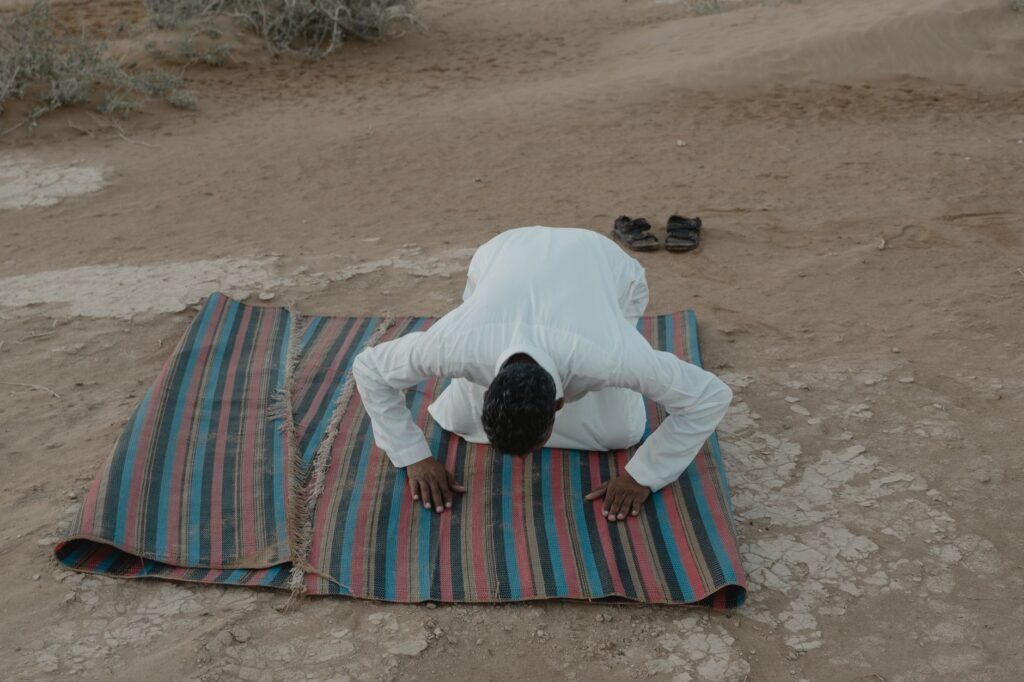
Understanding Different Prayer Postures
Kneeling in Prayer
Kneeling is a common physical expression of humility and reverence in prayer. The Bible often depicts individuals kneeling during significant moments of communication with God. For instance, in 1 Kings 8:54, Solomon knelt before the altar of the Lord, demonstrating his humility and the seriousness of his petition. Kneeling allows us to physically express our submission to God, acknowledging His sovereignty over our lives.
In addition to 1 Kings, we see Jesus kneeling in prayer in Luke 22:41, during His time in the Garden of Gethsemane. This act of kneeling serves as a powerful reminder that prayer is not just about our words; it’s about our heart posture before God. By choosing to kneel, we can facilitate a deeper connection with God, reflecting our trust and dependence on Him.
Standing in Prayer
Standing is another common posture for prayer found in the Bible. In Mark 11:25, Jesus says, “And whenever you stand praying, forgive, if you have anything against anyone, so that your Father also who is in heaven may forgive you your trespasses.” Standing can signify readiness and alertness, making it a suitable posture for both personal and communal prayer.
When we stand in prayer, we are actively engaging with God, often expressing our desire to intercede for others or to declare our faithfulness to Him. Using standing as a posture can serve as a reminder of our active role in God’s kingdom, encouraging us to be vigilant in our spiritual lives.
Praying While Walking
Walking prayerfully is a practice that can bring a new dimension to your communication with God. In Psalm 1:1-2, we read about the blessed man who “walks not in the counsel of the wicked,” which suggests that walking can symbolize a journey in faith. Many believers find that walking helps them to be more attuned to God’s presence, especially in nature.
- Walking allows for physical activity, which can be energizing and help clear your mind.
- Being outdoors can inspire gratitude and awe as you witness God’s creation.
- Walking can help you focus on specific prayer requests while physically moving toward a goal.
As you walk, consider praying through your surroundings, thanking God for His creation and asking for His guidance in your life. This method can invigorate your prayer life and deepen your connection to God.

Incorporating Worship Music into Prayer
The Role of Music in Prayer
Worship music can play a vital role in your prayer life by setting the atmosphere conducive to encountering God. In Ephesians 5:19, Paul encourages believers to “address one another in psalms and hymns and spiritual songs, singing and making melody to the Lord with your heart.” Music can help center your thoughts and emotions, allowing you to enter a deeper state of worship and connection during prayer.
When incorporating music into your prayer, consider the lyrics and themes of the songs. Are they focusing on God’s goodness, His promises, or His power? Songs that align with Scripture can be particularly powerful, as they reinforce the truths found in the Bible.
Creating a Worship Playlist
Creating a dedicated worship playlist can enhance your prayer experience. Here are some steps to consider when making a playlist:
- Choose songs that resonate with you personally and reflect your current spiritual journey.
- Incorporate a variety of genres to keep your worship fresh and engaging.
- Include instrumental tracks that allow for silence and reflection during prayer.
As you pray, play your playlist softly in the background, letting the music guide your thoughts and emotions. This can create an atmosphere of worship and help you connect more deeply with God.
Writing Songs or Prayers
Another unique way to incorporate music into your prayer life is by writing your songs or prayers. Psalm 96:1 invites us to “sing to the Lord a new song; sing to the Lord, all the earth.” Writing your song or prayer can be a deeply personal expression of your heart’s desires and struggles.
As you craft your lyrics, focus on gratitude, praise, and the desires you have for your life or others. This process can lead to a cathartic experience and enhance your relationship with God, as it encourages you to articulate your thoughts and feelings in a creative way.
Utilizing Prayer Journals
Keeping Track of Prayer Requests
A prayer journal can be an invaluable tool in your spiritual journey. It allows you to document prayer requests, track answered prayers, and reflect on your spiritual growth. James 5:16 encourages believers to “pray for one another, that you may be healed. The prayer of a righteous person has great power as it is working.” Writing down requests for yourself and others can help you remain accountable and intentional in your prayers.
When maintaining a prayer journal, consider organizing it by categories such as family, friends, personal growth, and community needs. This structure can make it easier to review and ensure that you are praying for various aspects of your life and the lives of others.
Reflecting on God’s Faithfulness
In addition to tracking requests, your prayer journal can serve as a record of God’s faithfulness. In Psalm 77:11-12, the psalmist states, “I will remember the deeds of the Lord; yes, I will remember your wonders of old.” Regularly reflecting on answered prayers and significant moments can strengthen your faith and encourage you during challenging times.
Consider setting aside time each month to review your journal entries, noting how God has responded to your prayers. This practice can help you cultivate a heart of gratitude and deepen your trust in God’s perfect timing.
Creative Expression in Prayer Journals
Your prayer journal doesn’t have to be limited to written words. Consider incorporating drawings, doodles, or even scripture verses that resonate with you. Habakkuk 2:2 reminds us, “write the vision; make it plain on tablets, so he may run who reads it.” This verse encourages the act of documenting our prayers and visions in a way that reflects our unique relationship with God.
- Use colors and art to express your emotions and thoughts.
- Incorporate sticky notes for spontaneous prayers or reflections.
- Write out scripture that speaks to your heart and place it alongside your prayers.
By allowing your prayer journal to be a canvas for creativity, you can engage more deeply with your prayers and foster a more intimate relationship with God.
Frequently Asked Questions
What if I feel awkward praying?
Feeling awkward is common, especially when starting. Remember that prayer is a personal conversation with God. Speak as you would to a friend, using your own words and style.
How long should I pray?
There is no set time for prayer. Start with a few minutes each day and gradually increase as you feel comfortable. The quality of your prayer is more important than the duration.
Can I pray anywhere?
Yes! You can pray anywhere, at home, in your car, at work, or even on a walk. God is always available to hear your prayers.
What if I don’t know what to say?
It’s okay not to have the right words. You can use Scripture, write down your thoughts, or simply sit in silence. God understands your heart.
The Bottom Line
How to Start Praying: A Guide from Scripture emphasizes the importance of establishing a personal prayer life rooted in biblical principles. By understanding prayer, creating a routine, using Scripture, and being open to listening, you can cultivate a meaningful relationship with God. Remember, prayer is not about perfection but connection. Start where you are, and trust that God hears you.
For further study on this topic, iBible Answers is a helpful resource: https://ibibleanswers.com/
Keep Exploring Scripture
Continue your Bible study with our collection of Scripture tools, topics, people, places, and study resources.
Explore Bible Study ToolsYou May Also Like
How to Pray the Lord’s Prayer According to Scripture
Learn how to pray the Lord's Prayer according to Scripture, following each phrase and…

Understanding God’s Silence: Why Doesn’t He Answer My Prayer?
Learn why God may seem silent in response to your prayers and how to…

What Is Prayer According to Scripture: Understanding Its Purpose
Discover what prayer is according to Scripture and understand its purpose in the life…

How Gratitude Transforms Your Relationship With God
Gratitude deepens your relationship with God by fostering joy, enhancing faith, and encouraging connection…

What Does the Bible Say About Spiritual Warfare
Discover what the Bible says about spiritual warfare, including key verses and practical applications…

How to Fast and Pray According to Scripture
Discover practical ways to fast and pray according to Scripture, enhancing your spiritual growth…
Join the Conversation