
What Is Intercessory Prayer and Its Biblical Significance
Intercessory prayer is a powerful act of standing in the gap for others, rooted in Biblical teachings and its significance in faith.


Key Takeaways
- Intercessory prayer involves praying for others.
- Biblical figures exemplified intercessory prayer.
- It strengthens communal faith and support.
- Intercessory prayer can lead to transformative outcomes.
Understanding Intercessory Prayer
What is intercessory prayer and its biblical significance? Intercessory prayer is the act of praying on behalf of others, asking God to intervene in their lives for healing, guidance, or support. This practice is rooted in Scripture, as seen in James 5:16, which states, “The prayer of a righteous person is powerful and effective.”
Intercessory prayer holds a special place in the Christian faith. It emphasizes the communal aspect of prayer, where believers unite to lift each other’s burdens before God. This practice not only shows love and concern for others but also reflects the heart of God, who desires for all to come to Him.
In this article, we will thoroughly examine what intercessory prayer is, its biblical foundations, and its significance in the lives of believers today.
The Biblical Foundations of Intercessory Prayer
Intercessory prayer is deeply rooted in the Bible, with many examples of individuals who stood in the gap for others. The Old Testament features figures like Moses and Abraham, who interceded for the Israelites. In Exodus 32:11-14, Moses pleads with God to spare the Israelites from destruction, demonstrating the power of intercessory prayer.
Abraham’s intercession for Sodom and Gomorrah in Genesis 18:23-33 is another potent example. He negotiates with God, seeking mercy for the righteous within those cities. These accounts illustrate that intercessory prayer is not merely a personal act but a communal plea for mercy, highlighting God’s willingness to listen and act.
In the New Testament, Jesus serves as the ultimate intercessor. Romans 8:34 reminds us, “Who then is the one who condemns? No one. Christ Jesus who died, more than that, who was raised to life, is at the right hand of God and is also interceding for us.” This reinforces the belief that intercessory prayer is central to the life of a Christian, connecting us to Christ’s ongoing work.
How Intercessory Prayer Functions
Intercessory prayer functions as a channel of communication between God and His people. It is an intentional act of love and faith, where one believer takes the initiative to pray for another. This can manifest in various ways, including praying for healing, guidance, or protection.
One key aspect of intercessory prayer is its focus on others. Unlike personal prayers that may center on one’s own needs, intercessory prayer shifts the attention to those in need. This act of selflessness fosters a deeper sense of community and love among believers.
Additionally, intercessory prayer reflects the believer’s trust in God’s power and sovereignty. By bringing others before God, the intercessor acknowledges that they cannot control outcomes but believe in God’s ability to intervene. This humility is essential, as it aligns the heart of the intercessor with the will of God.
Examples of Intercessory Prayer in the Bible
The Bible is rich with examples of intercessory prayer, showcasing various individuals who took it upon themselves to pray for others. Here are a few notable instances:
- Moses: As mentioned, Moses interceded for the Israelites after they sinned by making a golden calf. His prayer in Exodus 32:31-32 highlights his willingness to bear their sin for their redemption.
- Job: In Job 42:10, after Job prayed for his friends, God restored his fortunes. This demonstrates that intercessory prayer can have a reciprocal benefit, not only for those prayed for but also for the intercessor.
- Paul: The Apostle Paul frequently prayed for the churches he established. In Philippians 1:3-5, he expresses gratitude for the Philippians and their partnership in the gospel, emphasizing the importance of communal prayer.
The Importance of Community in Intercessory Prayer
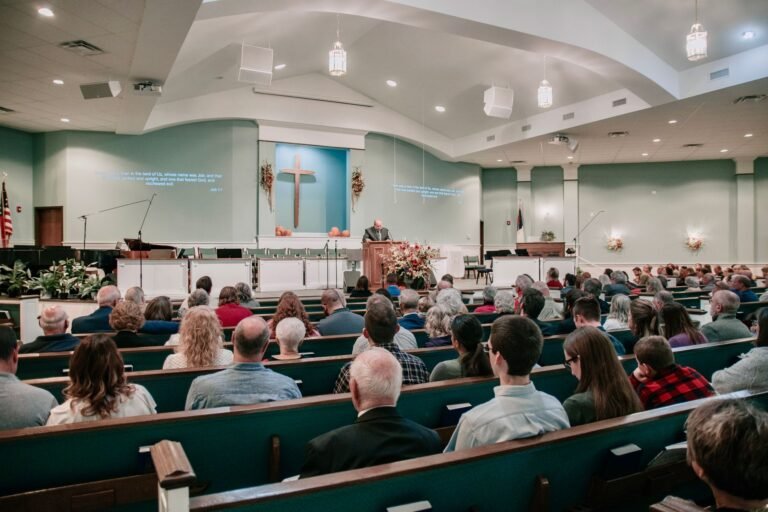
Intercessory prayer fosters a sense of community among believers. When individuals come together to pray for one another, it strengthens bonds and creates a supportive environment. This communal aspect is essential, as it reflects the body of Christ in action.
Consider a typical situation where a church gathers to pray for a member facing illness. In this scenario, the community collectively lifts up their voices to God, reinforcing the idea that they are not alone in their struggles. This shared experience can be comforting and encouraging, as seen in 1 Thessalonians 5:11, which instructs believers to encourage one another.
Furthermore, intercessory prayer can lead to unity within the church body. When members pray for each other, it cultivates empathy and understanding. Holding each other’s burdens creates a culture of compassion, as highlighted in Galatians 6:2: “Carry each other’s burdens, and in this way, you will fulfill the law of Christ.”

Personal Impact of Intercessory Prayer
The act of interceding for others can have a profound impact on the intercessor. Engaging in this practice can deepen one’s faith and strengthen one’s relationship with God. When believers pray for others, they often experience a sense of purpose and connection, knowing they are participating in God’s work.
Imagine someone like Sarah, who regularly prays for her friends and family. Through her intercessions, Sarah finds herself more attuned to the needs of others. This not only enriches her spiritual life but also encourages her to act in love, as she becomes aware of specific needs and circumstances.
Moreover, intercessory prayer can lead to personal transformation. As believers pray, they may find their hearts softened, leading to greater compassion and understanding for those they pray for. This aligns with the transformative nature of prayer, as explained in Philippians 4:6-7, which assures believers that prayer can lead to peace that surpasses understanding.
Practical Steps for Intercessory Prayer
Engaging in intercessory prayer can be a fulfilling and transformative practice. Here are some practical steps to enhance your intercessory prayer life:
- Identify Specific Needs: Take time to consider those around you who may need prayer. This could include friends, family, or even broader community issues.
- Set Aside Time for Prayer: Dedicate specific times in your day to pray for others. Consistency can help make intercessory prayer a regular part of your life.
- Keep a Prayer Journal: Documenting prayer requests and noting when prayers are answered can encourage faith and accountability.
- Pray with Others: Join a prayer group or gather with friends to pray together. This can amplify the impact of your prayers and foster community.
The Role of the Holy Spirit in Intercessory Prayer
The Spirit’s Guidance in Prayer
The Holy Spirit plays a crucial role in intercessory prayer, guiding believers as they pray for others. Romans 8:26-27 states, “In the same way, the Spirit helps us in our weakness. We do not know what we ought to pray for, but the Spirit himself intercedes for us through wordless groans. And he who searches our hearts knows the mind of the Spirit, because the Spirit intercedes for God’s people in accordance with the will of God.” This passage highlights that the Holy Spirit not only assists in our prayer life but also ensures that our prayers align with God’s will.
The Empowerment of the Believer
Through the Holy Spirit, believers are empowered to pray effectively. Galatians 5:22-23 lists the fruits of the Spirit, which include love, joy, peace, patience, kindness, goodness, faithfulness, gentleness, and self-control. When we engage in intercessory prayer, these qualities can be reflected in our prayers for others. The Spirit equips us to not just pray for others’ needs but also to embody the love of Christ as we do so.
Developing a Sensitivity to the Spirit’s Leading
Being sensitive to the Holy Spirit’s leading can transform intercessory prayer. Here are some ways to cultivate this sensitivity:
- Spend time in Scripture to understand God’s character and His desires.
- Practice silence and solitude to hear the Spirit’s promptings.
- Engage in community prayer, where others can confirm or challenge your sense of direction.
- Keep a prayer journal to track how the Spirit directs your prayers over time.
As we grow in our relationship with the Holy Spirit, our intercessory prayers can become more profound and aligned with God’s plans.

Intercessory Prayer as a Form of Spiritual Warfare
Understanding Spiritual Warfare
Intercessory prayer is a powerful weapon in the context of spiritual warfare. Ephesians 6:12 clarifies, “For our struggle is not against flesh and blood, but against the rulers, against the authorities, against the powers of this dark world and against the spiritual forces of evil in the heavenly realms.” Recognizing that our intercessory efforts are part of a larger spiritual battle enables us to pray with purpose and determination.
Strategies for Effective Intercessory Prayer
In the realm of spiritual warfare, strategies for intercessory prayer can be developed. Here are some key strategies:
- Pray with specificity, naming the issues or individuals needing prayer.
- Declare God’s promises, reinforcing faith in His ability to intervene.
- Utilize Scripture in prayer, as Jesus did during His temptations (Matthew 4:1-11).
- Pray with authority, recognizing the authority given to believers (Luke 10:19).
Equipped with these strategies, intercessors can engage effectively in the spiritual battles they face.
The Role of the Church in Spiritual Warfare
The church community plays an essential role in intercessory prayer as a form of spiritual warfare. Matthew 18:19-20 emphasizes this: “Again, truly I tell you that if two of you on earth agree about anything they ask for, it will be done for them by my Father in heaven. For where two or three gather in my name, there am I with them.” When the church comes together in prayer, they amplify their spiritual influence, making them formidable in spiritual warfare.
The Impact of Intercessory Prayer on the Intercessor
Transformational Effects on the Intercessor’s Heart
Intercessory prayer can deeply transform the heart of the intercessor. As one regularly lifts others in prayer, they often develop a greater sense of empathy and compassion. Colossians 3:12 encourages believers to “clothe yourselves with compassion, kindness, humility, gentleness and patience.” This transformation allows the intercessor to see others through God’s eyes, fostering a heart that reflects His love.
Building Spiritual Strength
Engaging in intercessory prayer not only impacts others but also strengthens the intercessor’s own spiritual life. James 5:16 states, “The prayer of a righteous person is powerful and effective.” This verse assures believers that their prayers can yield significant results. As they witness God answering prayers, their faith grows, and they become more confident in their relationship with Him.
Encouragement and Accountability within the Community
When individuals engage in intercessory prayer, they often find encouragement and accountability within their church community. Here are some ways to foster this environment:
- Create prayer groups focused on intercessory prayer.
- Share testimonies of answered prayers to inspire others.
- Encourage one another through Scripture, reminding each other of God’s faithfulness.
- Offer support through regular check-ins on prayer requests and needs.
As intercessors work together in community, they not only grow personally but also uplift each other in their spiritual journeys.
Frequently Asked Questions
What is the difference between intercessory prayer and regular prayer?
Intercessory prayer specifically involves praying for others, while regular prayer can include personal requests, praise, or thanksgiving. Intercessory prayer focuses on the needs of others and seeks God’s intervention in their lives.
How can I become more effective in intercessory prayer?
Becoming more effective in intercessory prayer often involves being aware of the needs of others, setting aside dedicated time for prayer, and being open to the leading of the Holy Spirit. Practicing consistency and keeping a prayer journal can also enhance your prayer life.
Is intercessory prayer mentioned in the New Testament?
Yes, intercessory prayer is mentioned in the New Testament. Jesus intercedes for believers, as stated in Romans 8:34. The Apostle Paul also emphasizes prayer for others throughout his letters, highlighting its importance in the Christian community.
Can anyone engage in intercessory prayer?
Absolutely. Intercessory prayer is a practice available to all believers. Anyone can pray for others, regardless of their spiritual maturity. It is a vital part of the Christian life that encourages love, support, and unity within the body of Christ.
The Bottom Line
Intercessory prayer is a significant practice within the Christian faith, emphasizing the importance of praying for others and fostering community. With biblical foundations and numerous examples throughout Scripture, it serves as a powerful reminder of God’s desire for His people to support one another in prayer. By engaging in intercessory prayer, believers can experience the transformational power of prayer, both for themselves and those they pray for.
For further study on this topic, BibleGateway is a helpful resource: https://www.biblegateway.com/
Keep Exploring Scripture
Continue your Bible study with our collection of Scripture tools, topics, people, places, and study resources.
Explore Bible Study ToolsYou May Also Like

How Fasting Can Draw You Closer to God According to Scripture
Discover how fasting can deepen your relationship with God through prayer, humility, and spiritual…
Understanding the Gift of Faith: Insights from Scripture
Discover how faith is a divine gift, its significance, and how it shapes the…

How to Start Praying: A Guide from Scripture
Learn how to start praying with this comprehensive guide from Scripture, providing practical steps…
How to Pray the Lord’s Prayer According to Scripture
Learn how to pray the Lord's Prayer according to Scripture, following each phrase and…

Understanding God’s Silence: Why Doesn’t He Answer My Prayer?
Learn why God may seem silent in response to your prayers and how to…

What Is Prayer According to Scripture: Understanding Its Purpose
Discover what prayer is according to Scripture and understand its purpose in the life…
Join the Conversation