
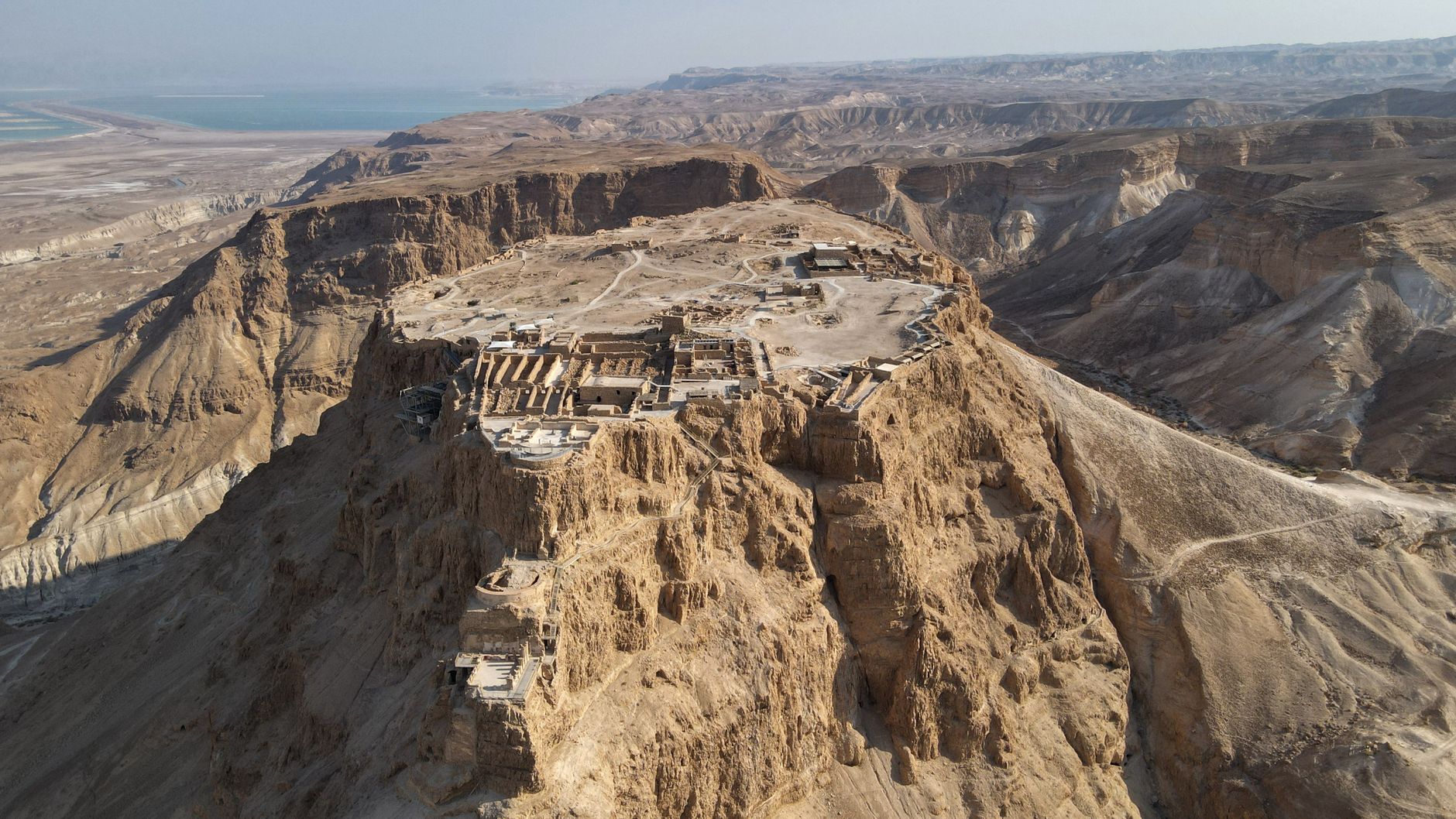
Kadesh, also known as Kadesh-barnea, is a significant geographic and historical site mentioned in the Hebrew Bible, particularly as a pivotal location during the Israelites' exodus from Egypt and their subsequent wanderings in the wilderness. Kadesh is located in the region that is commonly identified as part of modern-day northern Sinai or southwestern Israel. This place served as a critical stop for the Israelites, functioning both as a base and a point of departure for several key events narrated in the biblical texts.
The initial mention of Kadesh occurs in the context of the Israelites' journey after their liberation from slavery in Egypt. After crossing the Red Sea, they traveled through the desert of Shur and eventually reached Marah, then Elim, and finally camped at Kadesh, where they stayed for a considerable time (Exodus 15:22, Exodus 15:27). It was from Kadesh that Moses sent twelve spies into the land of Canaan, tasking them with assessing the inhabitants and resources of the promised land (Numbers 13:1-3). The spies' report upon returning incited fear among the Israelites and led to their rebellion against Moses' leadership.
One of the most notable incidents at Kadesh involved the Israelites' lack of faith in God's promise to deliver them into Canaan. Following the discouragement from the ten spies, the people expressed their desire to return to Egypt rather than confront the inhabitants of Canaan (Numbers 13:31-33). This lack of trust resulted in severe consequences; according to Numbers 14:26-30, God decreed that the current generation would wander in the wilderness for forty years until that generation, except for Joshua and Caleb, perished, making way for a new generation to enter the promised land.
Kadesh is also the site of a significant confrontation between Moses and God. In the account found in Numbers 20:1-13, the people complained about their lack of water, leading Moses to strike a rock to provide water. This action, although it produced water, was deemed as disobedience to God’s command, which ultimately resulted in a divine judgment against Moses. God told him that because he did not uphold God's holiness before the Israelites, he would not be allowed to enter the Promised Land.
The archaeological significance of Kadesh has also been a subject of interest. While exact locations are debated, the biblical descriptions and subsequent historical references have led scholars to suggest its location near well-established trade routes and water sources, which would have been vital for a large number of people traveling through desert terrain. The site is often likened to a staging ground for the Israelites during their transformative journey from oppression towards the fulfillment of God's promises.
In the later biblical narratives, Kadesh does not hold a prominent position as it does during the Exodus and wilderness periods. However, it continues to be referenced in theological discussions regarding faith, obedience, and divine judgment. Kadesh serves as a reminder of the challenges faced by the Israelites and the importance of trust in divine promises. It stands in contrast to the journey of faith that the people were called to undertake, symbolizing both the potential for blessing in obedience and the consequences of rebellion against God.
In conclusion, Kadesh holds a multifaceted role in the biblical narrative, encapsulating themes of exploration, disobedience, judgment, and faith. Its importance is underscored by the significant events that unfolded there, which would lay the groundwork for understanding the nature of God’s covenant with Israel and the challenges of maintaining faith in the face of adversity. The lessons drawn from Kadesh continue to resonate in theological reflection and interpretation within Jewish and Christian traditions.
5 passages, pulled live from the reader below.