
What Is Faith, According to the Bible?
A biblical exploration reveals that true faith is neither blind optimism nor passive agreement, but a active, well-grounded trust in the unshakeable character and promises of God.

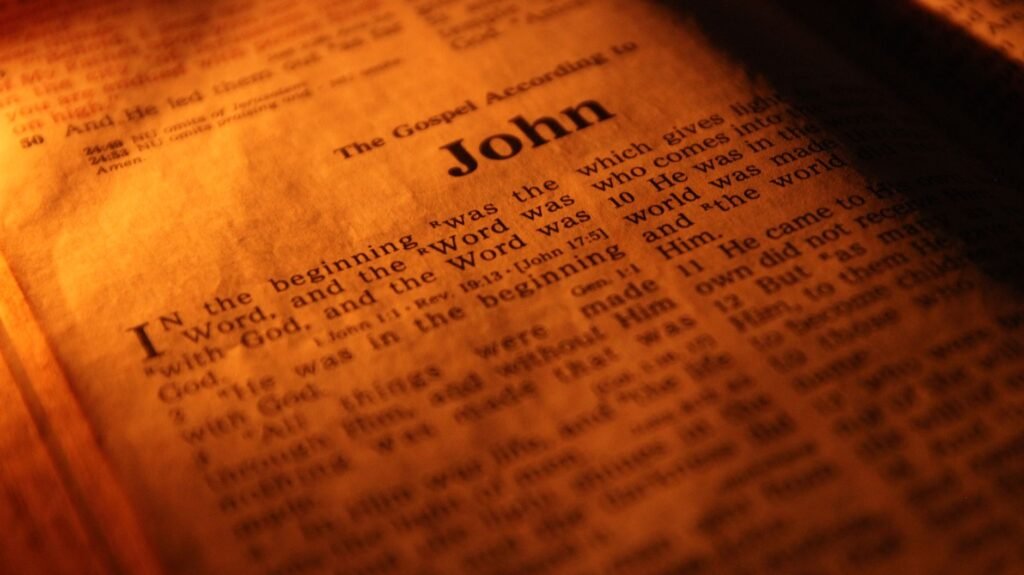
The Biblical Definition: Assurance and Evidence
Few words in the Christian vocabulary are used as frequently—or understood as differently—as the word “faith.” In contemporary culture, faith is often described as a leap in the dark, a vague feeling of optimism, or a belief in something despite a total lack of evidence. However, when we turn to the pages of Scripture, we discover a concept that is far more grounded, robust, and dynamic.
The classic biblical definition of faith is found in the letter to the Hebrews. In Hebrews 11:1, the author writes, “Now faith is the assurance of things hoped for, the conviction of things not seen.” The Greek word translated as “faith” throughout the New Testament is pistis, a term that carries deep connotations of trust, fidelity, reliance, and allegiance. Far from being a wild guess or blind wishfulness, biblical faith is presented as an underlying reality—a foundation upon which hope securely rests. Students of Scripture exploring the original language through resources like Blue Letter Bible will find that pistis consistently implies a relational confidence built upon the demonstrated trustworthiness of God.
To have biblical faith is not to believe without evidence; rather, it is to trust in a God who has proven Himself faithful, even when the final outcome of a situation remains invisible to human eyes. It is an intellectual, emotional, and volitional reliance on God’s character and word.
Faith Is Not Wishful Thinking
It is important to distinguish biblical faith from positive thinking or mental assent. In modern parlance, someone might say, “I have faith that it won’t rain today,” which simply means they hope for a desirable outcome. Biblical faith, however, is directly tied to a specific Object: God Himself and His revealed truth.
In Romans 10:17, the apostle Paul highlights this connection, stating, “So faith comes from hearing, and hearing through the word of Christ.” True faith does not originate in human imagination or self-manufactured confidence. It is a responsive trust born from listening to God’s revelation. Without an anchor in God’s promises, what people call “faith” is often merely wishful thinking or optimism.
Furthermore, Scripture emphasizes that faith is indispensable in our relationship with the Creator. In Hebrews 11:6, we are told, “And without faith it is impossible to please him, for whoever would draw near to God must believe that he exists and that he rewards those who seek him.” Faith is the doorway through which we relate to God, acknowledging both His reality and His goodness.
A Picture of Faith in Daily Life
To understand how biblical faith functions, consider the experience of a commercial airline pilot navigating through dense fog. As the aircraft descends into a thick bank of clouds, the pilot loses all visual contact with the runway, the horizon, and the surrounding terrain. Their physical senses report complete blankness, and instinct might scream that they are lost or in danger.
Yet, the pilot does not fly blindly or rely on wishful thinking. Instead, they rely entirely on the plane’s flight instruments and the guidance of air traffic control. They trust the altimeter, the artificial horizon, and the radar navigation because those instruments have proven accurate and reliable in the past. Steering the plane based on those unseen readings rather than physical sight is a clear reflection of how faith works. In the spiritual life, God’s Word and character are the reliable instruments that guide us when our physical circumstances offer no clarity.
Abraham: The Archetype of Biblical Faith
Throughout Scripture, God provides historical examples to help us visualize faith in action. Chief among these is Abraham, often remembered as the father of faith. When God called Abraham to leave his homeland for an unknown destination, Abraham obeyed, even though he did not know where he was going, as noted in Hebrews 11:8.
Later, when God promised the elderly Abraham that he would have a son and that his descendants would be as numerous as the stars, Abraham faced a humanly impossible situation. Yet, in Genesis 15:6, Scripture records, “And he believed the Lord, and he counted it to him as righteousness.” Centuries later, Paul cited this exact moment in Romans 4:3 to demonstrate that justification before God has always been received through faith rather than earned through human effort.
Abraham’s faith was not perfect; he experienced moments of misstep and hesitation. Nevertheless, the trajectory of his life revealed an enduring conviction that God was both capable and faithful to fulfill what He had promised. His story shows that biblical faith is a journey of ongoing trust rather than a static moment of perfection.
The Dynamic Relationship Between Faith, Grace, and Works
One of the most important theological insights regarding faith is its relationship to God’s grace and human actions. In Ephesians 2:8-9, Paul writes, “For by grace you have been saved through faith. And this is not your own doing; it is the gift of God, not a result of works, so that no one may boast.” Here, faith is portrayed as the vessel or instrument through which God’s unmerited favor is received. It is not a meritorious work that earns salvation, but a receptive heart that relies on the work of Jesus Christ.
At the same time, the Bible makes it clear that genuine faith never remains passive. In James 2:17, the writer declares, “So also faith by itself, if it does not have works, is dead.” While theologians throughout church history have discussed the precise relationship between Paul’s emphasis on faith apart from works and James’s emphasis on works evidencing faith, the historic Christian consensus views them as complementary. Faith alone saves, but the faith that saves is never alone; it naturally produces transformation, love, and obedience in the life of the believer.
Faith Amidst Doubt and Struggle
A common misconception is that true faith is completely devoid of doubt or struggle. Scripture presents a far more compassionate and realistic view of human weakness. In Mark 9:24, a desperate father brings his suffering son to Jesus and cries out, “I believe; help my unbelief!” Jesus responds to this honest, fragile faith with healing and mercy, showing that God does not require flawless certainty before He acts, but rather a willing heart that turns to Him.
Furthermore, Peter reminds believers that faith is often refined through hardship. In 1 Peter 1:6-7, he explains that trials come so that “the tested genuineness of your faith—more precious than gold that perishes though it is tested by fire—may be found to result in praise and glory and honor at the revelation of Jesus Christ.” Difficulties do not signal the absence of faith; often, they become the very soil in which a deeper, more resilient trust takes root.
Walking Forward in Living Faith
Ultimately, according to the Bible, faith is not a mere intellectual agreement with a set of abstract doctrines, nor is it a blind leap into the unknown. It is a living, personal trust in the living God. It begins when we hear His Word, grows as we experience His faithfulness, and manifests in a life of active obedience and love.
In a world characterized by uncertainty and rapid change, biblical faith offers an enduring anchor. It calls us to look beyond our immediate, temporal circumstances and fix our eyes on the eternal nature of God. As we navigate our daily choices, challenges, and hopes, living by faith means choosing each day to trust that God is who He claims to be, and that He will fulfill every promise He has made.
Keep Exploring Scripture
Continue your Bible study with our collection of Scripture tools, topics, people, places, and study resources.
Explore Bible Study ToolsYou May Also Like
How Can I Stand Strong in My Faith?
Learn practical steps to stand strong in your faith through prayer, scripture, community, and…
How Can Faith Help During Dark Seasons?
Discover how faith can provide strength and guidance during dark seasons, as outlined in…
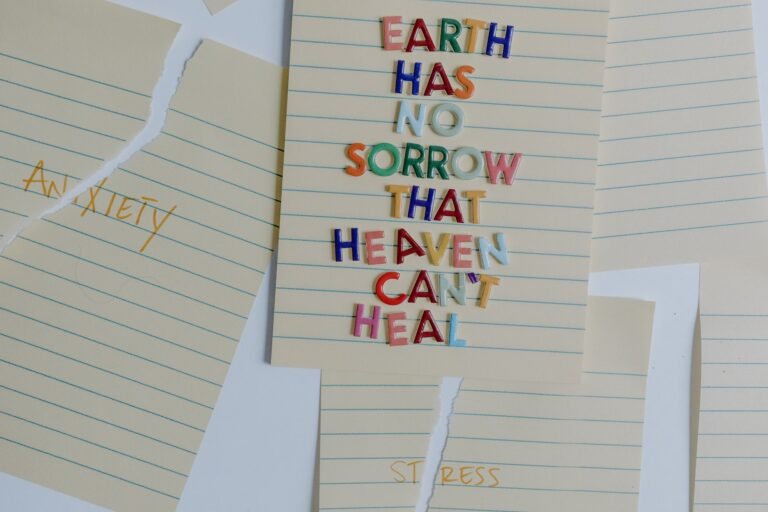
How Can Prayer Help With Anxiety?
How can prayer help with anxiety? Philippians 4:6-7 promises God's peace. Learn how to…

How Can I Overcome Fear With Faith?
How can you overcome fear with faith? Learn what the Bible says about fear,…

How Can I Keep Hope When Life Feels Hopeless?
Feeling hopeless? Learn how to keep hope when life is hard, with Bible verses,…

What Does the Bible Say About Hope?
What does the Bible say about hope? Biblical hope is a confident expectation in…
Join the Conversation