
What Is the Holy Spirit’s Role in a Christian’s Life?
Discover the profound, multifaceted ministry of the Holy Spirit in the believer's life, from indwelling presence and guidance to intercession and sanctification.


The Promise of the Helper: Indwelling and Presence
In the final hours before His crucifixion, Jesus prepared His disciples for His departure by making an extraordinary promise. He did not intend to leave them as orphans in a broken world; instead, He promised an enduring divine presence. In John 14:16–17, Jesus said, “And I will ask the Father, and he will give you another Helper, to be with you forever, even the Spirit of truth, whom the world cannot receive, because it neither sees him nor knows him. You know him, for he dwells with you and will be in you.” The Greek word translated as “Helper” or “Advocate” is Parakletos, referring to one called alongside to help, counsel, encourage, and defend.
For every believer, this promise marks a fundamental shift from the Old Covenant experience. Rather than the Spirit coming upon specific individuals temporarily for particular tasks, the Holy Spirit now permanently indwells every follower of Christ. Paul emphasizes this reality in 1 Corinthians 6:19–20, asking, “Or do you not know that your body is a temple of the Holy Spirit within you, whom you have from God? You are not your own, for you were bought with a price. So glorify God in your body.” The Spirit’s presence is not an occasional guest, but an abiding seal and guarantee of our inheritance in Christ (Ephesians 1:13–14).
Guiding into Truth and Illuminating Scripture
One of the primary ministries of the Holy Spirit is teaching and illuminating divine truth. Jesus noted in John 16:13, “When the Spirit of truth comes, he will guide you into all the truth, for he will not speak on his own authority, but whatever he hears he will speak, and he will declare to you the things that are to come.” While this verse had unique historical application to the Apostles as they recorded inspired Scripture, it also applies broadly to how believers understand and receive God’s Word today.
Human intellect alone cannot fully grasp the depths of spiritual reality. As the Apostle Paul explains in 1 Corinthians 2:12, “Now we have received not the spirit of the world, but the Spirit who is from God, that we might understand the things freely given us by God.” The Holy Spirit acts as an inner teacher who opens our eyes to comprehend Scripture, discern truth from error, and apply eternal principles to complex everyday situations. Understanding the ongoing ministry of the Holy Spirit helps Christians approach the Bible not merely as historical literature, but as living, active truth made clear by its divine Author.
Conviction, Sanctification, and Moral Transformation
The Holy Spirit does not leave believers in their initial state of brokenness. Instead, He actively works to conform them to the image of Jesus Christ—a lifelong process theologians call sanctification. Jesus explained in John 16:8 that the Spirit would “convict the world concerning sin and righteousness and judgment.” In the life of a Christian, this conviction is not a crushing condemnation, but a gentle, purposeful exposure of attitudes and actions that do not align with God’s holiness.
Consider a professional named Marcus who has spent years climbing the corporate ladder by subtly taking credit for his colleagues’ work and harboring bitter rivalries. After coming to faith, he finds himself increasingly uneasy with these old habits. During an ordinary team meeting, an opportunity arises to let a coworker take the blame for an oversight. Instead of protecting his reputation as he once did, Marcus feels a sudden, clear inward check—a quiet prompting of conscience that urges him to speak the truth and support his colleague. This quiet impulse is not mere self-generated willpower; it is the active sanctifying work of the Holy Spirit reshaping Marcus’s desires from within.
This transformative process bears tangible fruit. In Galatians 5:22–23, Scripture describes the natural outcome of the Spirit’s control: “But the fruit of the Spirit is love, joy, peace, patience, kindness, goodness, faithfulness, gentleness, self-control; against such things there is no law.” Sanctification is not a matter of rigid legalism, but the organic result of walking in daily dependence on the Spirit to put to death the deeds of the sinful nature (Romans 8:13).
Intercession and Strength in Human Weakness
Life in a fallen world frequently brings suffering, confusion, and grief that surpass our capacity to articulate. In these moments of profound vulnerability, the Holy Spirit acts as an intimate intercessor on our behalf. The Apostle Paul writes with great tenderness in Romans 8:26–27: “Likewise the Spirit helps us in our weakness. For we do not know what to pray for as we ought, but the Spirit himself intercedes for us with groanings too deep for words. And he who searches hearts knows what is the mind of the Spirit, because the Spirit intercedes for the saints according to the will of God.”
When a parent sits in an intensive care waiting room, overwhelmed by anxiety and unable to formulate coherent sentences, or when a believer faces debilitating grief, their silent sighs are not lost. The Holy Spirit takes those unspoken longings, aligns them perfectly with the sovereign will of the Father, and intercedes directly before God’s throne. This assurance provides deep comfort, reminding believers that even when our faith feels frail and our words fail, our relationship with God is upheld by the Spirit’s constant advocacy.
Empowerment for Witness and Spiritual Gifting
The Holy Spirit does not only work inward character transformation; He also supplies outward power for mission and service. Just before His ascension, Jesus commanded His followers to wait for divine enablement, saying in Acts 1:8, “But you will receive power when the Holy Spirit has come upon you, and you will be my witnesses in Jerusalem and in all Judea and Samaria, and to the end of the earth.” Boldness in sharing the gospel and perseverance under persecution are gifts of the Spirit’s empowerment.
Furthermore, the Holy Spirit equips every member of the body of Christ with spiritual gifts tailored for the mutual edification of the church. In 1 Corinthians 12:7, Paul notes, “To each is given the manifestation of the Spirit for the common good.” While Christians historically hold diverse views regarding the operation and continuation of certain miraculous gifts, Scripture is clear on the overarching purpose: every believer has received distinct spiritual abilities from the Spirit to build up others, serve the needy, teach the truth, and demonstrate Christ’s love in practical ways.
Walking in Step with the Spirit Every Day
The role of the Holy Spirit is neither an abstract doctrinal concept nor an unpredictable emotional experience; it is the daily reality of communion with the living God. In Galatians 5:25, Paul provides a concise invitation: “If we live by the Spirit, let us also keep in step with the Spirit.” To keep in step with the Spirit means cultivating a quiet posture of attentiveness, yielding our wills through prayer, meditating upon God’s Word, and responding promptly to His moral guidance.
As we navigate the demands, decisions, and trials of daily life, we are never left to rely solely upon our finite wisdom or fragile emotional strength. The Spirit remains our constant Counselor, Comforter, and Guide—reminding us of who Christ is, anchoring our identity as adopted children of God (Romans 8:15–16), and steadily preparing us for the day when we will see our Lord face to face.
Keep Exploring Scripture
Continue your Bible study with our collection of Scripture tools, topics, people, places, and study resources.
Explore Bible Study ToolsYou May Also Like

How (and Why) Do We Receive Power from the Holy Spirit?
Exploring the biblical basis for the Holy Spirit’s empowering presence, this study examines why…

What Can the Psalms Teach Us About Processing Grief?
The Psalms offer a biblical template for honest lament, hopeful trust, and communal mourning,…
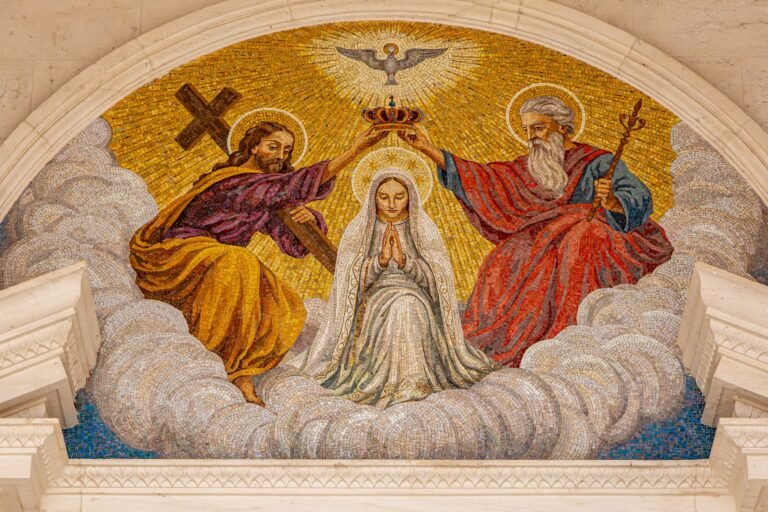
Why Is the Trinity Difficult to Understand?
The doctrine of the Trinity is a core Christian confession yet it remains a…
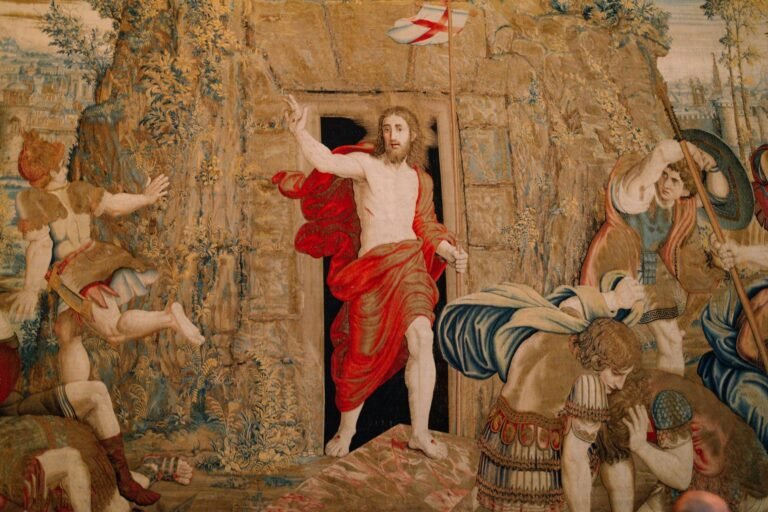
What Does the Resurrection Prove?
Understanding what the resurrection proves reveals its significance for believers and the assurance it…

Why Is the Gospel Difficult for Some People to Understand?
The gospel is simple in its core truth yet often feels opaque because of…
What Does It Mean That Jesus Saves Us From Sin?
A careful look at Scripture reveals that Jesus’ saving work frees us from the…
Join the Conversation
One response to “What Is the Holy Spirit’s Role in a Christian’s Life?”
Leave a Reply
Thank you Jesus for the Promise of the Helper