
What Does the Bible Say About Choosing a Husband or Wife?
A biblical exploration of how Scripture guides believers in selecting a life partner, with practical steps, prayerful wisdom, and community counsel.

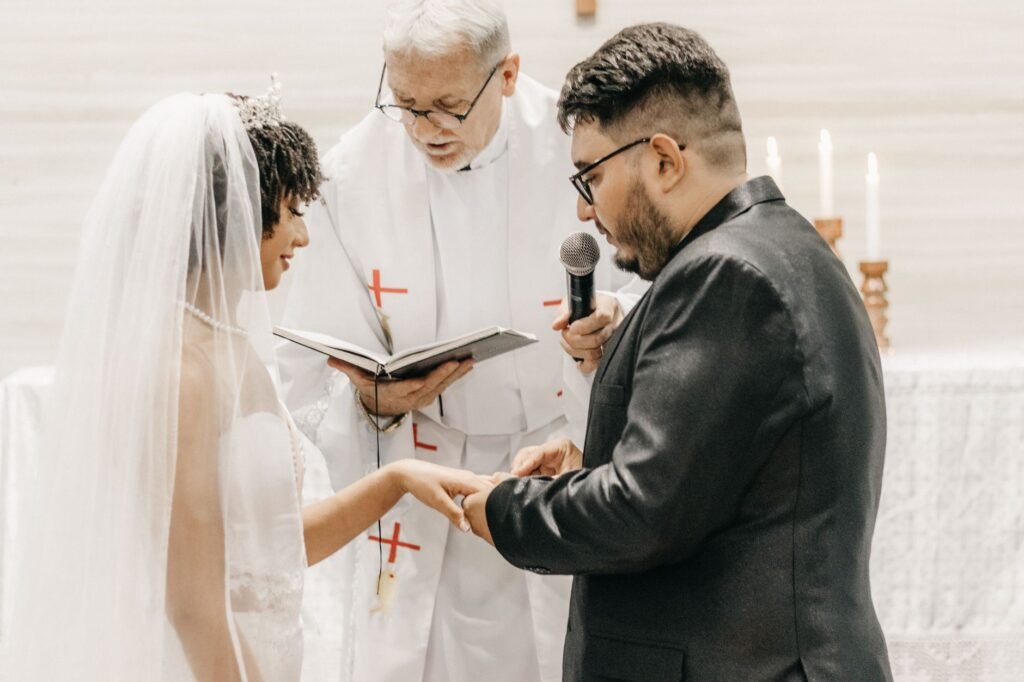
Biblical Foundations for Choosing a Spouse
The Bible presents marriage as a covenant instituted by God from the beginning. In Genesis two verse twenty‑four we read, “Therefore a man shall leave his father and mother and be united to his wife, and they shall become one flesh.” This foundational image emphasizes leaving behind former familial alliances to form a new, exclusive bond. The apostle Paul later underscores the divine purpose of marriage in Ephesians five verse twenty‑five, “Husbands, love your wives, just as Christ loved the church and gave himself up for her.” The reciprocal love described here sets the standard for both partners.
When the Scriptures speak of a good marriage, they often highlight the virtues of the spouse. Proverbs eighteen verse twenty‑two declares, “He who finds a wife finds a good thing and obtains favor from the Lord.” This verse affirms that choosing a spouse is not merely a human decision but a blessed opportunity to experience God’s favor.
The Role of God’s Guidance and Prayer
Seeking God’s direction is the first step in any major life decision. James one verse five encourages, “If any of you lacks wisdom, let him ask God, who gives generously to all without finding fault, and it will be given to you.” Likewise, Matthew seven verse seven invites believers to “Ask, and it will be given to you; seek, and you will find; knock, and the door will be opened to you.” These promises assure that a sincere prayer for a spouse will not go unheard.
Practical prayer can include specific petitions, such as asking God to reveal qualities that align with His Word. The psalmist models this in Psalm one hundred twenty‑seven verse one: “Unless the Lord builds the house, those who build it labor in vain.” By inviting the Lord to “build” the marriage, believers acknowledge that success depends on Him, not merely on human effort.
Character Over Appearance: What Scripture Values
Physical attractiveness is fleeting, but godly character endures. Proverbs thirty one verse thirty warns, “Charm is deceptive, and beauty is fleeting, but a woman who fears the Lord is to be praised.” The same principle applies to men, as the New Testament exhorts husbands to love “as Christ loved the church” (see Ephesians five verse twenty‑five), a love characterized by sacrifice, humility, and faithfulness.
Other passages highlight specific virtues. Proverbs twelve verse four says, “A good wife is the crown of her husband,” emphasizing the honor that comes from a spouse’s wisdom and godliness. Similarly, 1 Peter three verse seven urges husbands to “be considerate as they live with their wives, treating them with respect as heirs with you of the gracious gift of life.” Mutual respect, reverence for God, and a shared commitment to holiness are repeatedly presented as the true markers of a suitable partner.
Seeking Wise Counsel and Community Insight
The biblical narrative frequently depicts believers consulting trusted mentors. In Proverbs eleven verse fourteen we read, “Where there is no guidance, a people falls, but in an abundance of counselors there is safety.” Applying this to marriage, many churches encourage premarital counseling, which aligns with the biblical principle of shared discernment.
Practical examples include asking a pastor, a mature Christian friend, or a family member for insight. Proverbs fifteen verse twenty‑two reminds us, “Without counsel plans fail, but with many advisers they succeed.” By opening the decision to the community, a couple gains perspectives that guard against selfish motives and highlight potential red flags.
Practical Steps for Modern Believers
1. **Begin with Prayer** – Set aside regular time to ask God for wisdom, using verses such as James one verse five and Matthew seven verse seven as a foundation.
2. **Identify God‑Centered Qualities** – List attributes that Scripture upholds: reverence for the Lord, humility, integrity, and a love that mirrors Christ’s self‑sacrifice (see Ephesians five verse twenty‑five).
3. **Engage in Community Discernment** – Share your intentions with trusted believers, inviting them to pray and provide honest feedback in line with Proverbs eleven verse fourteen.
4. **Evaluate Compatibility in Faith** – Ensure both partners desire to serve God together, as marriage is described in 1 Corinthians thirteen as a “perfect bond of peace” when love, hope, and faith are present.
5. **Consider Long‑Term Vision** – Discuss how each partner will fulfill biblical roles, such as providing spiritual leadership (1 Timothy three verse two) and mutual submission (Ephesians five verse twenty‑seven).
6. **Seek Premarital Counseling** – Many churches offer programs that incorporate Scripture, helping couples explore topics like finances, conflict resolution, and sexual purity.
These steps are not a checklist that guarantees a perfect marriage, but they align the decision‑making process with biblical wisdom.
Trusting God’s Timing and Continuing in Faith
The journey to marriage often involves seasons of waiting. Ecclesiastes three verse one reminds us, “For everything there is a season, and a time for every matter under heaven.” When a suitable partner does not appear immediately, believers are encouraged to trust God’s timing, just as Abraham waited for Isaac (see Genesis twenty‑four).
A real‑life illustration helps illuminate this principle. Sarah, a 29‑year‑old graphic designer, had been actively dating for two years. She prayed daily, asked her church elders for counsel, and listed character traits rooted in Scripture. After several relationships ended due to mismatched values, she continued to trust God’s timing. Six months later, at a church small‑group gathering, she met Michael, a fellow believer who shared her commitment to prayer, service, and biblical study. Their courtship progressed slowly, always under the umbrella of prayer and community oversight. Today they are engaged, and they credit their careful, Scripture‑guided process for laying a solid foundation.
In moments of doubt, the promise of Jeremiah thirty‑three verse three offers assurance: “Call to me and I will answer you, and will tell you great and hidden things that you have not known.” Believers are thus invited to persist in prayer, remain obedient to godly counsel, and rest in the confidence that God’s plan for marriage unfolds according to His perfect wisdom.
For deeper insight into biblical principles of marriage, you might explore resources such as Got Questions, which offers articles that address common concerns from a scriptural perspective.
Living Out the Choice with Faith
Choosing a husband or wife is a profound act of faith that intertwines personal desire, divine guidance, and communal responsibility. By grounding the decision in Scripture—honoring God’s design for marriage (Genesis two verse twenty‑four), seeking wisdom through prayer (James one verse five), valuing godly character (Proverbs thirty one verse thirty), and embracing counsel (Proverbs eleven verse fourteen)—believers can approach this milestone with confidence and humility. The ultimate goal is not merely to find a companion but to enter a covenant that reflects Christ’s love for the church, thereby glorifying God in the most intimate partnership of life.
Keep Exploring Scripture
Continue your Bible study with our collection of Scripture tools, topics, people, places, and study resources.
Explore Bible Study ToolsYou May Also Like

What Can the Psalms Teach Us About Processing Grief?
The Psalms offer a biblical template for honest lament, hopeful trust, and communal mourning,…

Why Is the Trinity Difficult to Understand?
The doctrine of the Trinity is a core Christian confession yet it remains a…

What Does the Resurrection Prove?
The resurrection of Jesus Christ is the cornerstone of Christian faith, and Scripture repeatedly…

Why Is the Gospel Difficult for Some People to Understand?
The gospel is simple in its core truth yet often feels opaque because of…

What Does It Mean That Jesus Saves Us From Sin?
A careful look at Scripture reveals that Jesus’ saving work frees us from the…

Why Does God Require a Sacrifice for Sin?
Understanding the biblical mandate for sacrifice reveals God’s justice, mercy, and the fulfillment of…
Join the Conversation