
Why Did God Harden Pharaoh’s Heart?
An exploration of the biblical passages that describe God’s hardening of Pharaoh’s heart, seeking to understand divine sovereignty, human responsibility, and the purpose behind this striking narrative.

Understanding the Biblical Narrative
The Exodus account presents a repeated motif: God says He will harden Pharaoh’s heart, and Pharaoh indeed becomes obstinate. The phrase first appears in Exodus 4:21: “Then the LORD said to Moses, ‘When you return to Egypt, see that you perform before Pharaoh all the signs I have given you; but I will harden his heart, so that he will not let the people go.’” Later, in Exodus 7:3, God tells Moses, “But I will harden Pharaoh’s heart, and he will not listen to you.” The pattern continues through the plagues, for example Exodus 9:12 records, “But the LORD hardened Pharaoh’s heart.” These verses form the backbone of the question: why would a loving God actively resist the deliverance of His people?
Divine Sovereignty and Human Agency
The tension between divine sovereignty and human free will is a long‑standing discussion in Christian theology. In the New Testament, the apostle Paul references the hardening of Pharaoh to illustrate God’s sovereign choice: Romans 9:17‑18 states, “For the Scripture says to Pharaoh, ‘For this very purpose I have raised you up, that I might show My power in you, and that My name might be proclaimed in all the earth.’ So then He has mercy on whom He wills, and He hardens whom He wills.” Paul’s argument is that God’s purposes are ultimately displayed in history, yet he does not deny that Pharaoh acted on his own stubbornness.
Many scholars suggest that “hardening” can be understood in two related ways: God’s initial allowance of a heart already inclined toward rebellion, and a subsequent judicial hardening that follows repeated refusal. The Psalmist reflects this nuance in Psalms one hundred five:38: “He turned the heart of Pharaoh to harden his hand, that he might let the people go.” The verb “turned” suggests a divine influence that aligns with Pharaoh’s existing disposition rather than an arbitrary override of free will.
Judicial Hardening as Consequence
One interpretive framework views hardening as a judicial response—a consequence of persistent sin. In this view, God does not impose an arbitrary will but allows the natural outcome of a heart that continually rejects His voice. The pattern in Exodus supports this: after each plague, Pharaoh briefly relents, only to return to his previous stance. The hardening intensifies after each refusal, indicating a progressive withdrawal of grace. This aligns with the principle found in Proverbs twenty-two:24‑25: “Do not make friends with a hot-tempered man, or you will learn his ways and bring yourself into a snare.” The more one persists in a sinful path, the more hardened the heart becomes.
Such a view respects human responsibility. Pharaoh’s choices matter; the hardening is not an external force that nullifies his agency but a deepening of his own stubbornness, permitted and magnified by God to bring about a greater purpose.
The Purpose of Displaying God’s Power
Another key aspect of the narrative is the revelation of God’s glory to both Israel and the surrounding nations. In Exodus 10:1 the LORD says, “Go to Pharaoh, for I have hardened his heart and the heart of his servants, that I may show My signs among them.” The repeated hardening ensures that the miracles—the ten plagues—are not merely acts of liberation but also a public demonstration of the One true God’s supremacy over Egyptian deities. The ultimate “purpose” is articulated in Exodus 12:27 where the Passover is instituted as a memorial “that you may remember what the LORD has done for you when you go out from Egypt.” The hardening, therefore, serves a redemptive narrative function: it creates a stage on which God’s deliverance can be dramatically displayed.
From a theological perspective, this does not diminish the moral seriousness of Pharaoh’s oppression. Rather, it shows how God can bring good out of human evil, a theme echoed in Romans 8:28: “And we know that for those who love God all things work together for good.” The hardening, while painful for the Israelites in the moment, ultimately contributes to the establishment of a covenant nation.
Historical and Cultural Context
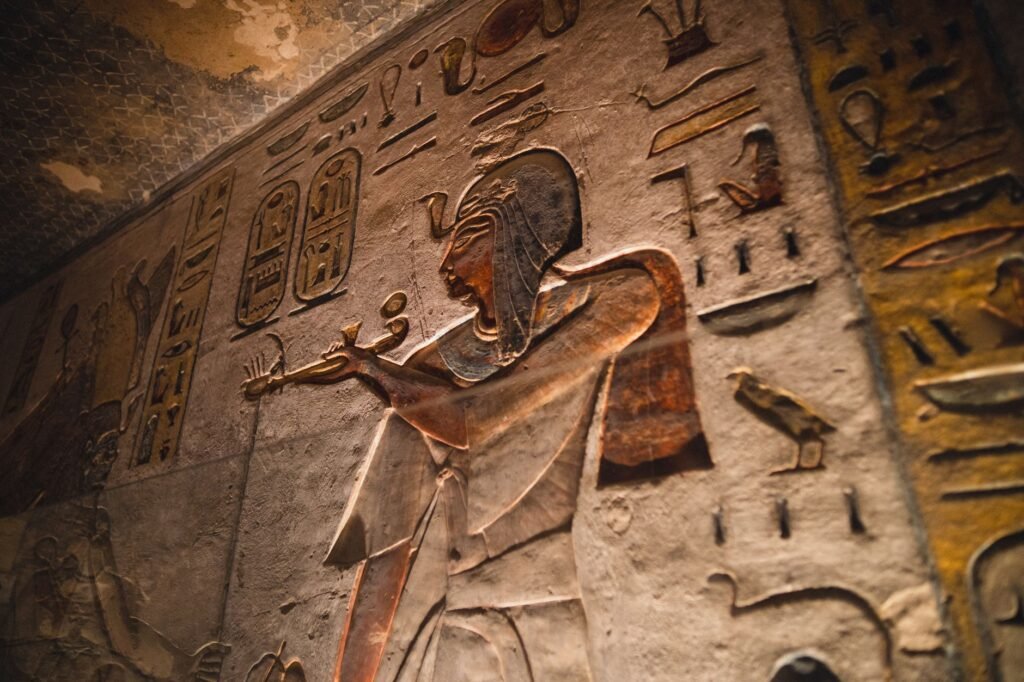
Understanding the Egyptian worldview helps illuminate the narrative’s impact. Pharaoh was seen not merely as a political ruler but as a divine figure, an embodiment of the god‑king tradition. The Egyptian religious system held that the pharaoh was the son of the god Ra, a belief reinforced by monumental architecture and elaborate rituals. When Moses and Aaron confront Pharaoh, they are not just challenging a king but a living deity. The hardening of Pharaoh’s heart, therefore, underscores a clash between the God of Israel and the Egyptian pantheon, culminating in a divine vindication that would have resonated deeply with contemporary audiences.
Modern readers can appreciate this context by reflecting on how cultural assumptions shape our perception of authority. When a leader’s identity is intertwined with a particular ideology, resistance to divine correction can become an existential threat to their worldview.
A Contemporary Parallel: When Leaders Resist Moral Conviction
Consider a modern corporate executive who, despite clear evidence of environmental harm, refuses to adopt greener practices because they threaten short‑term profits. The executive’s heart may be “hardened” by repeated justifications, financial pressures, and a culture that prizes growth above stewardship. If the executive continues to ignore counsel, the resulting corporate policies may lead to public scandal, legal penalties, and loss of reputation—a judicial hardening akin to Pharaoh’s experience. In such a scenario, the “hardening” is not an external imposition but the natural outcome of a heart repeatedly choosing self‑interest over ethical responsibility.
This example illustrates how the biblical principle can speak to contemporary life: persistent refusal to heed moral truth can lead to a hardened disposition, with consequences that ultimately reveal larger truths about justice, accountability, and the need for divine intervention.
How Should Believers Respond?
For the faithful, the Exodus account invites several practical reflections. First, it calls believers to examine their own hearts for signs of stubbornness. The Psalmist’s warning in Psalm 14:1—“The fool says in his heart, ‘There is no God.’”—reminds us that denial can begin quietly. Second, the narrative encourages reliance on God’s timing and purpose, even when circumstances appear oppressive. The Israelites’ lament in Exodus 14:11‑12 (“Why have you brought us out of Egypt only to die in the wilderness?”) is met with the reassurance that God will fight for them (see Exodus 14:14). Finally, the story points believers toward worship that acknowledges God’s sovereignty, as the Israelites eventually do in the Song of Moses, “I will sing to the LORD, for he has triumphed gloriously” (Exodus 15:1).
For deeper study, resources such as Bible Gateway provide access to multiple translations and commentaries that can help explore the nuances of “hardening” across the biblical canon.
Closing Thoughts
The question of why God hardened Pharaoh’s heart does not yield a single, simple answer. It invites believers into a mystery where divine sovereignty, human responsibility, and redemptive purpose intersect. By viewing the hardening as both a judicial consequence of persistent rebellion and a means by which God’s glory could be unmistakably displayed, we honor the biblical text’s complexity. Moreover, seeing the narrative through the lens of contemporary examples reminds us that the same dynamics of stubbornness and divine justice continue to shape our world today. In wrestling with this profound passage, we are invited to humility—recognizing that God’s ways are higher than our own—while also committing to the diligent work of softening our own hearts, that we may be instruments of His grace rather than vessels of hardened resistance.
Keep Exploring Scripture
Continue your Bible study with our collection of Scripture tools, topics, people, places, and study resources.
Explore Bible Study ToolsYou May Also Like

Understanding Biblical Hospitality in a Digital Age
Exploring how Scripture defines hospitality, why it matters today, and practical ways to practice…
Applying the Parable of the Talents to Today’s Career Decisions
Discover how the timeless lesson of the talents can shape wise, faithful, and purposeful…

What Does the Bible Say About Managing Money and Generosity in Modern Times?
Exploring biblical principles of stewardship, wise spending, and generous giving, this article shows how…

How Should Christians Respond to Political Propaganda?
Navigating modern political propaganda demands biblical wisdom, discernment, and a heart anchored in truth.…

Why Do Conspiracy Theories Spread Among Christians?
An exploration of the biblical, psychological, and cultural factors that make believers vulnerable to…

Why Are Christians Vulnerable to Conspiracy Theories?
Exploring the biblical roots of our desire for hidden explanations, this article examines why…
Join the Conversation