
Why Did Jesus Curse the Fig Tree?
A careful look at the gospel accounts, Old‑Testament symbolism, and biblical teachings on fruitfulness helps us understand why Jesus pronounced a curse on a barren fig tree.

The Historical Setting of the Incident
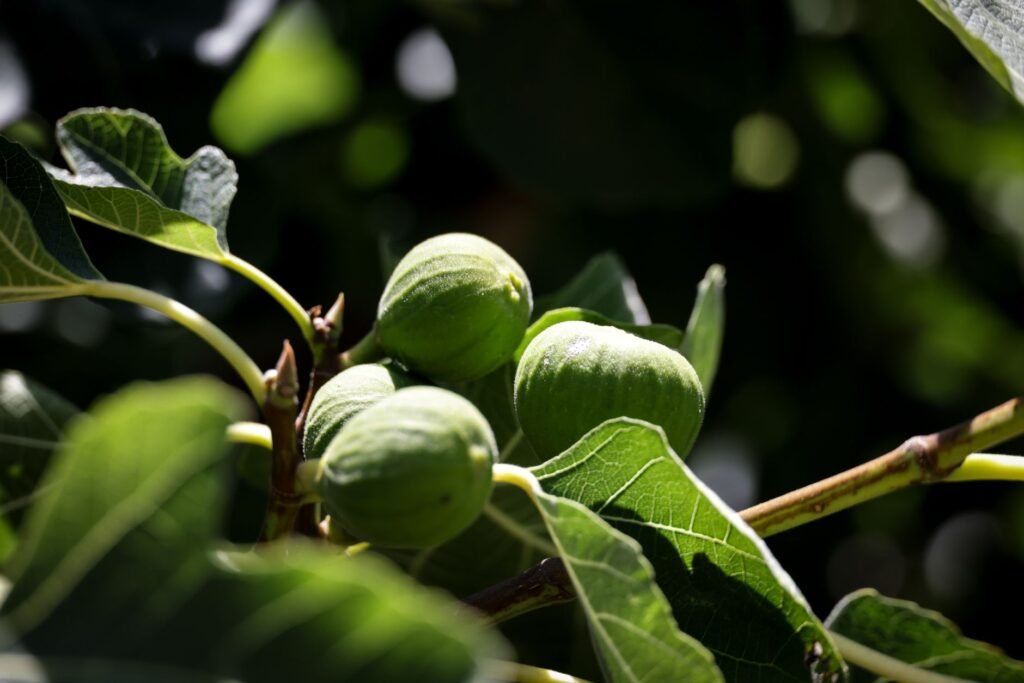
Jesus and his disciples were traveling from Bethany toward Jerusalem during the final week of his earthly ministry. According to the Gospel of Mark, “the next day as they were leaving Bethany, Jesus was hungry” (Mark 11:12). The setting was a hot, dry region where fig trees often bore leaves before the fruit was ripe, giving the appearance of vitality even when the tree was not yet productive. This cultural background is important because a fig tree in leaf without fruit would have been a visible disappointment to anyone hoping for food.
The Narrative in Mark and Matthew
The two Synoptic accounts differ slightly in detail but agree on the core event. In Mark, after finding “nothing on it except leaves, for it was not the season for figs,” Jesus said, “May no one ever eat fruit from you again” (Mark 11:13‑14). The following morning the disciples saw the tree “withered from the roots” (Mark 11:20‑21). Matthew records a parallel story: “Seeing a fig tree by the road, he went up to it but found nothing on it except leaves. Then he said to it, ‘May you never bear fruit again!’ Immediately the tree withered” (Matthew twenty‑one:18‑19). Both writers note the disciples’ amazement, suggesting the event was intended to be observed and reflected upon.
Fig Trees in the Old Testament: Symbols of Israel’s Spiritual State
Fig trees appear throughout Scripture as images of blessing, fruitfulness, and, conversely, judgment. Jeremiah presents a prophetic vision of two baskets of figs—one very good and the other very bad—to illustrate the fate of the people of Judah (Jeremiah twenty‑four:3‑5). The “very bad” figs symbolize those who reject God’s covenant, while the “good” figs represent those who remain faithful. Similarly, the Psalms speak of the righteous as a “tree planted by streams of water” that bears fruit in its season (Psalm 1:20‑two:1‑2). In the New Testament, Jesus himself teaches, “Every good tree bears good fruit, but a bad tree bears bad fruit” (Matthew 7:17‑18), linking the health of a tree directly to its output. These passages form a biblical pattern where fruitfulness reflects obedience and unfruitfulness signals judgment.
Theological Interpretations of Jesus’ Action
Many scholars view the cursing of the fig tree as a prophetic sign directed at “the nation of Israel, which appeared outwardly religious but was spiritually barren.” The tree’s lush leaves suggested life, yet the absence of fruit revealed a deeper emptiness. By pronouncing a curse, Jesus dramatized the impending judgment on the temple system and religious leaders who, like the tree, offered the appearance of worship without the substance of righteousness. This reading aligns with Jesus’ later pronouncement that the temple would be destroyed (Mark 13:1‑2). Others emphasize a more immediate lesson on faith: Jesus follows the episode with the famous mustard‑seed teaching (Matthew twenty‑one:22), suggesting that the power to bring about transformation begins with belief. Both dimensions—corporate judgment and personal faith—are present in the narrative and are not mutually exclusive.
Lessons for Contemporary Faith and Practice
Jesus’ interaction with the fig tree invites believers today to examine the “fruit” of their own lives. The apostle Paul reminds us that “the fruit of the Spirit is love, joy, peace, forbearance, kindness, goodness, faithfulness, gentleness and self‑control” (Galatians 5:22‑23). When a believer’s conduct lacks these evidences, the metaphor of a barren fig tree warns that outward religiosity without inner transformation can lead to divine disappointment. Moreover, the passage challenges churches to avoid merely “leafy” appearances—large buildings, impressive programs—while neglecting discipleship that produces spiritual fruit. The call to authentic faith is reinforced by the mustard‑seed analogy: even a small measure of trust can yield mighty outcomes, provided it is rooted in genuine obedience.
A Real‑World Illustration
Consider a small suburban family that attends church every Sunday, volunteers for many ministries, and is well‑known for its generosity. Yet at home, the parents struggle with honesty, patience, and kindness toward their teenage children. Their outward “leafy” involvement in church mirrors a fig tree full of leaves but devoid of fruit. One evening, the father reads the passage about the fig tree and reflects on the gap between appearance and reality. He decides to prioritize daily family devotions, honest conversations, and gentle correction, aiming to cultivate “fruit” that aligns with the fruit of the Spirit. Over time, the family’s relationships become healthier, and their witness to neighbors grows deeper—not because of visible church activities, but because of the transformed character displayed in everyday life.
Closing Reflection
The episode of the cursed fig tree is not a random miracle but a rich, layered sign that engages both the corporate destiny of Israel and the personal call to authentic faith. By grounding his action in the biblical symbolism of figs, Jesus exposed the danger of relying on outward religiosity while neglecting the inner fruit of righteousness. For modern believers, the passage challenges us to evaluate whether our lives bear the evidence of the Spirit, to nurture genuine trust in God’s power, and to avoid the complacency of “leafy” religiosity. As we seek to align our hearts with the living Word, may our “trees” be rooted in Christ so that the harvest we produce glorifies the Father. For further study on this topic, see the discussion at Got Questions.
Keep Exploring Scripture
Continue your Bible study with our collection of Scripture tools, topics, people, places, and study resources.
Explore Bible Study ToolsYou May Also Like
Understanding Biblical Hospitality in a Digital Age
Exploring how Scripture defines hospitality, why it matters today, and practical ways to practice…

Applying the Parable of the Talents to Today’s Career Decisions
Discover how the timeless lesson of the talents can shape wise, faithful, and purposeful…

What Does the Bible Say About Managing Money and Generosity in Modern Times?
Exploring biblical principles of stewardship, wise spending, and generous giving, this article shows how…

How Should Christians Respond to Political Propaganda?
Navigating modern political propaganda demands biblical wisdom, discernment, and a heart anchored in truth.…

Why Do Conspiracy Theories Spread Among Christians?
An exploration of the biblical, psychological, and cultural factors that make believers vulnerable to…

Why Are Christians Vulnerable to Conspiracy Theories?
Exploring the biblical roots of our desire for hidden explanations, this article examines why…
Join the Conversation