
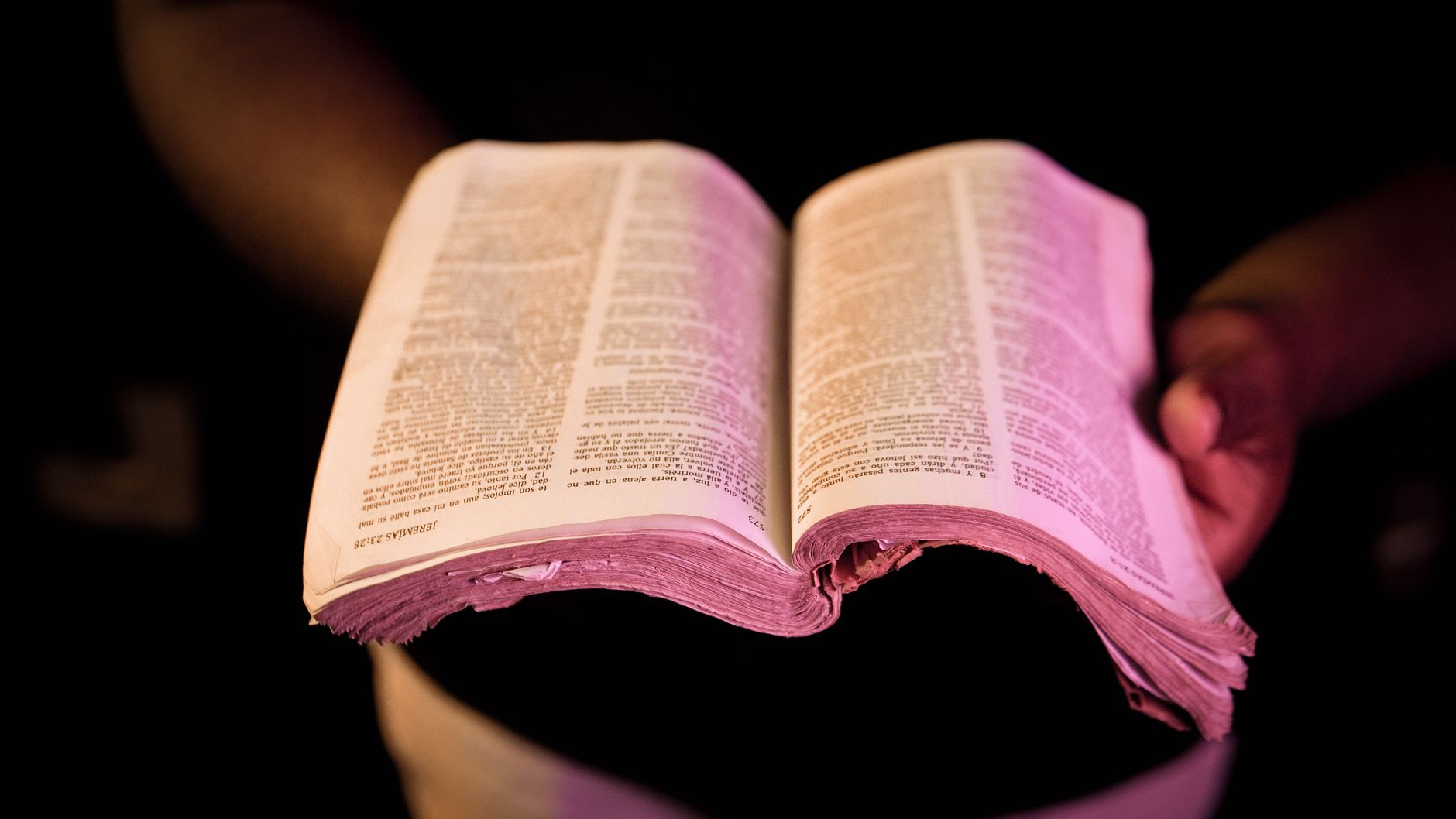
The omnipotence of God refers to His unlimited power, His capacity to do all that is consistent with His own nature and will, without external limitation or dependence on any outside force.
Jeremiah 32:17 anchors this in creation itself: "Ah Lord GOD! behold, thou hast made the heaven and the earth by thy great power... there is nothing too hard for thee." The scale of creation is treated as evidence of the scale of God's power.
The book of Job's closing chapters catalog this power extensively, the founding of the earth, control over the sea, the behavior of wild creatures no human can tame, all presented as evidence that God's power vastly exceeds Job's ability to even comprehend, let alone question.
Matthew 19:26 applies omnipotence directly to salvation, a matter Jesus' disciples find humanly impossible: "with men this is impossible; but with God all things are possible." Omnipotence is not abstract theology here; it addresses a specific, pressing concern.
The resurrection of Jesus stands as the New Testament's central demonstration of this power, Paul describes it in Ephesians 1 as "the exceeding greatness of his power," the same power that raised Christ from the dead now described as at work in believers.
In practice, trusting God's omnipotence shapes how believers approach situations that feel genuinely impossible, not with naive certainty about specific outcomes, but with confidence that no circumstance exceeds God's actual ability to act.
Job 42:2 records Job's own conclusion after encountering this power directly: "I know that thou canst do every thing, and that no thought can be withholden from thee."
A common misconception treats omnipotence as meaning God will do literally anything requested, including things contrary to His own character or promises. Scripture ties God's power to His will and nature; He does not, for instance, act unjustly or lie, not from lack of power but because such actions would contradict who He is.
Revelation 19:6 declares "the Lord God omnipotent reigneth," a statement placed in a scene of final victory, omnipotence is presented as ultimately decisive, not merely present but triumphant.
4 passages, pulled live from the reader below.