
What Does the Bible Say About the End Times?
A careful look at Scripture reveals a cohesive biblical picture of the “last days,” from Old‑Testament prophecy through Jesus’ own teachings and the apostolic letters, offering hope and a call to faithful watchfulness.

The Biblical Framework for Eschatology
The term “end times” is a modern label for what the Bible consistently describes as the “last days,” the “day of the Lord,” and the “coming of the Son of Man.” The overarching framework is built on three key ideas: God’s sovereign plan, the fulfillment of prophetic promises, and the invitation for believers to live in expectant readiness. Scripture affirms that “the end of the world and its troubles are being prepared” (Luke twenty‑one:25‑26) and that these events will culminate in the full revelation of God’s kingdom. Throughout both testaments, the same God who created history also determines its conclusion, and He repeatedly assures His people that “the things that are written are trustworthy, and they are true” (Psalm ninety‑one:5).
Old Testament Foundations: Prophecy and Promise
Prophetic literature lays the groundwork for the end‑times narrative. Daniel receives a vision of a “one like a son of man” who is given “authority, glory and sovereign power” (Daniel 7:13‑14). This figure is later identified by the New Testament writers as Jesus, linking the ancient vision to the New Covenant. Daniel also warns of a “time of great distress” unlike any before (Daniel 12:1) and promises that “many who sleep in the dust of the earth shall awake” (Daniel 12:2). These passages underscore both the severity of the final period and the hope of resurrection.
The prophetic outcry of Isaiah also points forward, declaring that “the day of the Lord will come like a thief” (Isaiah forty‑four:7) and that “the earth will be utterly desolated” (Isaiah sixty‑four:21) before “the holy mountain shall be gloriously revealed” (Isaiah sixty‑four:23). Together, these images set a tone of judgment coupled with divine renewal.
Jesus’ Own Teachings on the End
When the disciples asked, “Tell us, when will these things happen, and what will be the sign of Your coming?” (Matthew twenty‑four:3), Jesus responded with a detailed overview. He warned that “there will be wars and rumors of wars” (Matthew twenty‑four:6) and that “the love of many will grow cold” (Matthew twenty‑four:12). Yet He emphasized that “no one knows the day or the hour” (Matthew twenty‑four:36), urging constant vigilance: “Therefore keep watch, because you do not know on what day your Lord will return” (Matthew twenty‑four:42).
Parallel teachings appear in Mark 13:32‑37 and Luke twenty‑one:25‑36, all reinforcing the principle that the precise timing is hidden, but the signs are observable. Jesus also promised a glorious return, saying, “For the Son of Man will be delivered into the hands of men, and they will kill Him; and after He is killed, He will rise again on the third day” (Luke twenty‑four:46‑47), connecting His resurrection to the ultimate vindication of God’s plan.
The Apostle Paul’s Vision of the Day of the Lord
Paul expands the eschatological picture in his letters. He writes, “For the Lord Himself will descend from heaven with a shout, with the voice of the archangel, and with the trumpet of God” (1 Thessalonians 4:16). At that moment “the dead in Christ will rise first,” and “the living believers will be caught up together with them in the clouds to meet the Lord” (1 Thessalonians 4:17). This “rapture” imagery conveys both the suddenness of Christ’s return and the comfort of reunion.
Later, Paul exhorts the church to “be sober, be watchful, because your adversary the devil prowls around like a roaring lion” (1 Peter 5:8) and reminds believers that “the day of the Lord will come like a thief in the night” (1 Thessalonians 5:2). He encourages readiness: “Therefore, brothers and sisters, be alert and always keep your minds sober, for your enemy the devil prowls around like a roaring lion” (1 Peter 5:8). The consistency across these texts underscores the call to moral vigilance and hopeful anticipation.
The Book of Revelation: Symbols and Hope
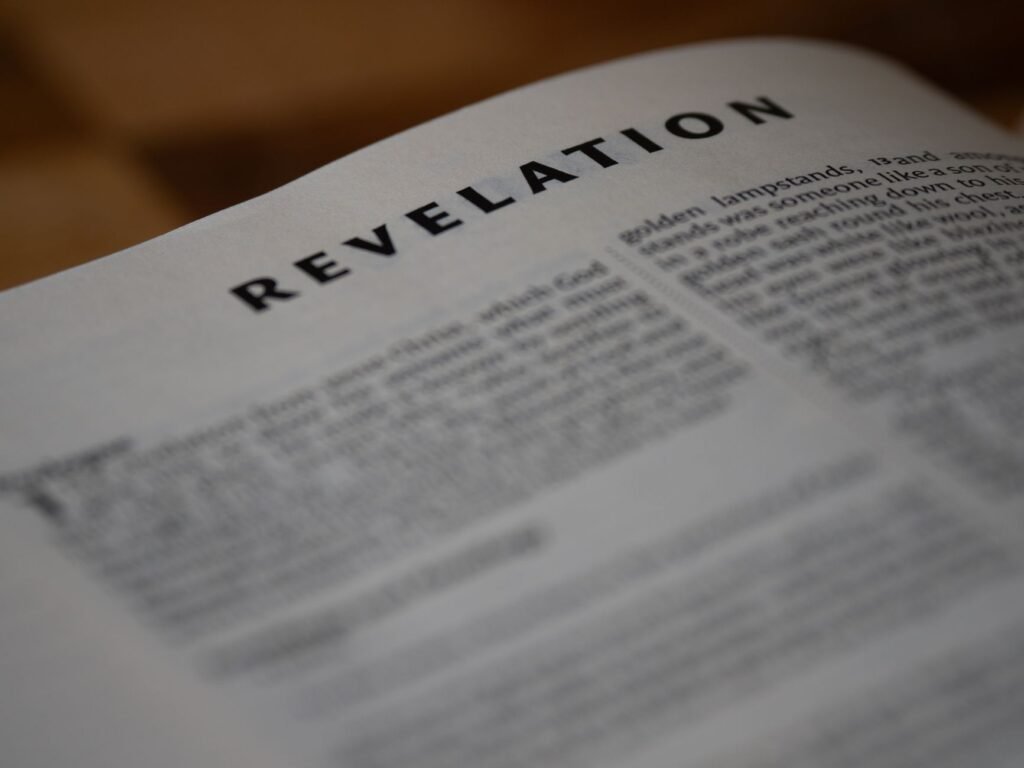
Revelation presents the most vivid apocalyptic imagery, yet its central message remains one of triumph. John records a declaration: “Behold, He is coming with the clouds, and every eye will see Him” (Revelation 1:7). The vision of the New Jerusalem descending from heaven (Revelation twenty‑two:1‑2) paints a future where “the dwelling place of God is among the people, and He will wipe away every tear” (Revelation twenty‑two:3). Though the text includes beasts and plagues, the repeated refrain “the Lord God Almighty will reign forever and ever” (Revelation 20:6) assures that God’s sovereignty will ultimately prevail.
Interpretation of Revelation’s symbols varies among scholars, and many details remain debated. Some view the “seven seals” as representing distinct historical periods, while others see them as a single, unfolding eschatological event. Regardless of the interpretive lens, the consistent biblical thread is that “the time is at hand” (Revelation twenty‑two:10) for God’s final consummation, encouraging believers to “keep doing the works you have always done” (Revelation twenty‑three:22) with renewed purpose.
Living in Light of the Coming Kingdom
Understanding the end times is not meant to foster fear but to shape daily conduct. Jesus taught that “the Kingdom of God is at hand” (Mark 1:15), inviting believers to embody kingdom values now. In practical terms, this means cultivating love, generosity, and justice while “keeping one’s mind steadfast, anchored in hope” (Hebrews 10:23). A relatable scenario might involve a young mother working as a nurse during a pandemic. She notices “signs of trouble” in the world—disease, conflict, moral anxiety—but she also experiences moments of profound compassion, reflecting the kingdom’s “light shining in darkness” (John 1:5). Her faith encourages her to serve patients with “the love of Christ” (1 John 4:12), trusting that the ultimate restoration promised in Scripture will one day eclipse present suffering.
Many churches encourage “watchfulness” through regular prayer, Scripture study, and community accountability. Resources such as Got Questions provide biblical answers to common eschatological queries, helping believers navigate uncertainty with sound doctrine rather than sensational speculation.
A Personal Reflection on Hope and Expectation
When I first read the prophetic books as a teenager, the images of beasts and judgments seemed distant and obscure. Yet as I grew older and faced personal trials—loss of a loved one, career setbacks, global unrest—I returned to passages like Revelation twenty‑two:12, “Behold, I am coming soon,” and found a steadier anchor. The biblical narrative does not promise a painless road, but it does guarantee that “the God of all grace, who called us to his eternal glory in Christ Jesus, after we have suffered a little while, will himself restore, confirm, strengthen, and establish us” (1 Peter 5:10). This promise reshapes how I view each day: not as a countdown to disaster, but as an invitation to live faithfully, trusting that “the future belongs to those who love Him” (Psalm one hundred twenty‑two:5).
In the end, the Bible’s teaching on the end times invites us into a paradoxical posture: watchful anticipation paired with present‑day peace. As the Apostle Paul wrote, “We are eager to know what the Lord will bring about” (Romans 12:11), and yet we are called to “let the peace of Christ rule in your hearts” (Colossians 3:15). May this tension propel us toward a life marked by hope, service, and unwavering confidence in the One who holds history in His hands.
Keep Exploring Scripture
Continue your Bible study with our collection of Scripture tools, topics, people, places, and study resources.
Explore Bible Study ToolsYou May Also Like
Understanding Biblical Hospitality in a Digital Age
Exploring how Scripture defines hospitality, why it matters today, and practical ways to practice…
Applying the Parable of the Talents to Today’s Career Decisions
Discover how the timeless lesson of the talents can shape wise, faithful, and purposeful…

What Does the Bible Say About Managing Money and Generosity in Modern Times?
Exploring biblical principles of stewardship, wise spending, and generous giving, this article shows how…

How Should Christians Respond to Political Propaganda?
Navigating modern political propaganda demands biblical wisdom, discernment, and a heart anchored in truth.…

Why Do Conspiracy Theories Spread Among Christians?
An exploration of the biblical, psychological, and cultural factors that make believers vulnerable to…

Why Are Christians Vulnerable to Conspiracy Theories?
Exploring the biblical roots of our desire for hidden explanations, this article examines why…
Join the Conversation