
What Can We Learn From College Protests?
Exploring biblical principles of justice, speech, and authority offers Christian students a balanced way to engage in campus protests while reflecting Christ’s love.

Understanding the Heart of Protest in Scripture
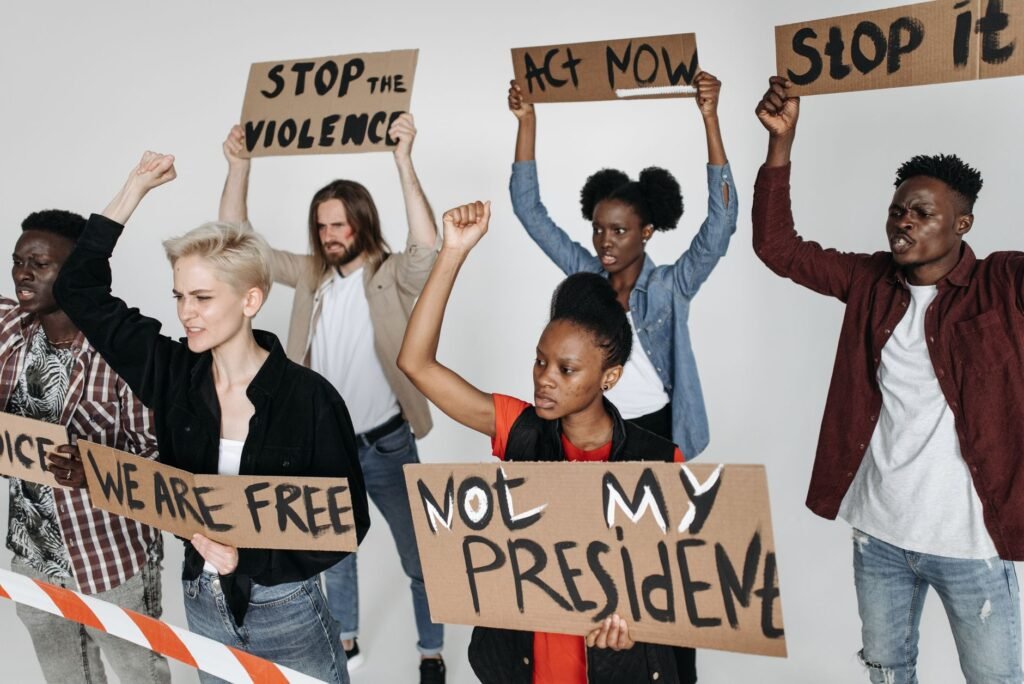
College protests often arise from a deep desire for change—whether it be racial reconciliation, environmental stewardship, or the protection of human dignity. The Bible records similar moments when God’s people stood up against injustice. In Micah 6:8 the prophet declares, “He hath shown thee, O man, what is good; and what doth the LORD require of thee, but to do justly, and to love mercy, and to walk humbly with thy God.” This verse frames the motivation behind protest: a pursuit of justice, mercy, and humility rather than personal gain.
When the Israelites demanded the removal of idolatry in the land, the Lord responded with the call to “seek justice, rebuke oppression, defend the fatherless, plead for the widow” (Isaiah 1:17). The biblical pattern is clear: God honors a heart that longs for right and is willing to speak out for the vulnerable.
The Biblical Call to Seek Justice
Justice is not an abstract ideal; it is a command. Psalm eighty-two:three‑four urges, “Give justice to the weak and the fatherless; maintain the rights of the afflicted and the destitute.” Likewise, Proverbs thirty‑one:eight‑nine exhorts, “Speak up for those who cannot speak for themselves, for the rights of the needy. Speak up and judge fairly; defend the rights of the poor and needy.” These verses teach that protest, when rooted in genuine concern for the oppressed, aligns with God’s own concern.
In practice, a student who sees a campus policy that disproportionately impacts low‑income students might organize a peaceful sit‑in to highlight the inequity. By framing the demonstration with the language of “justice” and “defending the weak,” the student reflects the biblical mandate rather than merely venting personal frustration.
Speaking Truth with Love and Humility
The New Testament warns that the manner of our speech matters as much as the content. James 1:19‑twenty advises, “Know this, my beloved brothers: let every person be quick to listen, slow to speak, slow to become angry; for man’s anger does not bring about the righteousness of God.” Likewise, Matthew five:forty‑four commands, “But I say to you, love your enemies and pray for those who persecute you.”
Consider a realistic scenario: a group of students stages a demonstration against a university’s involvement in fossil‑fuel research. Some participants feel anger and resort to shouting. A Christian student, remembering James, chooses to listen first, then calmly shares how creation care is a biblical mandate (Genesis 1:20‑six). By embodying love and humility, the student opens a door for dialogue rather than deepening division.
Respecting Authority While Standing for Righteousness
Christian obedience to civil authorities is balanced with higher allegiance to God. Romans 12:18‑twentyone teaches, “If it is possible, as far as it depends on you, live peaceably with all… do not be overcome by evil, but overcome evil with good.” Meanwhile, 1 Peter 2:13‑seventeen says, “Submit yourselves for the Lord’s sake to every human authority… for it is God’s will that by doing good you may silence the ignorant talk of foolish people.”
When university officials request that a protest be moved to a designated area, a Christian protester can comply out of respect for order, yet still voice the underlying concern. This posture mirrors the early church’s approach when they “spoke the word of God boldly, while respecting the civic laws that allowed them to gather” (Acts twenty‑four:two‑three). The balance demonstrates that obedience does not require silence on moral issues.
Responding to Conflict with the Fruit of the Spirit
The fruit of the Spirit provides a practical checklist for how believers should behave amid heated campus debates. Galatians 5:20‑two‑twenty‑three lists, “love, joy, peace, patience, kindness, goodness, faithfulness, gentleness, self‑control.” Each attribute counters a potential pitfall of protest culture—anger, bitterness, or retaliation.
Imagine a protest that turns chaotic, with police intervention and heightened emotions. A student who clings to “peace” and “gentleness” might step aside to pray, offer a calm apology if they unintentionally hurt someone, and seek reconciliation after the event. Such responses not only reflect the Spirit’s work but also model a different kind of witness that can attract onlookers to the Gospel.
Practical Steps for Christian Students on Campus
1. Discern the motive. Ask, “Is this protest seeking God’s justice or merely personal grievance?” Prayerfully align the cause with Scripture (Micah 6:8).
2. Prepare a biblical foundation. Equip yourself with verses like Psalm eighty‑two:three‑four and Proverbs thirty‑one:eight‑nine so you can articulate why the issue matters to God.
3. Engage in respectful dialogue. Follow James 1:19‑twenty by listening first, then speaking truth in love.
4. Observe campus policies. Honor 1 Peter 2:13‑seventeen by cooperating with legitimate authority while maintaining your conscience.
5. Live out the Spirit’s fruit. In the heat of protest, let love, patience, and self‑control govern your actions (Galatians 5:20‑two‑twenty‑three).
For deeper biblical insight on how Christians can navigate public protest, see the resources at Got Questions.
Closing Reflection
College protests are a modern echo of the biblical call to “stand up for the rights of the poor and needy” (Psalm eighty‑two:three‑four). When Christians enter these arenas, they are invited to embody a counter‑cultural kingdom ethic—justice pursued with mercy, truth spoken with humility, and obedience balanced with conscience. The ultimate hope is not merely the alteration of policy but the transformation of hearts, both protestors and observers, toward the image of Christ. May each student who steps onto a campus lawn carry not only a sign, but the living testimony of a Savior who “loved the world” (John 3:16) and who “ended the law with love” (Romans 13:10). In doing so, the protest becomes a platform for the Gospel, inviting a watching world to see the “light of the world” shining through a community that loves as Christ loves.
Keep Exploring Scripture
Continue your Bible study with our collection of Scripture tools, topics, people, places, and study resources.
Explore Bible Study ToolsYou May Also Like
Understanding Biblical Hospitality in a Digital Age
Exploring how Scripture defines hospitality, why it matters today, and practical ways to practice…
Applying the Parable of the Talents to Today’s Career Decisions
Discover how the timeless lesson of the talents can shape wise, faithful, and purposeful…

What Does the Bible Say About Managing Money and Generosity in Modern Times?
Exploring biblical principles of stewardship, wise spending, and generous giving, this article shows how…

How Should Christians Respond to Political Propaganda?
Navigating modern political propaganda demands biblical wisdom, discernment, and a heart anchored in truth.…

Why Do Conspiracy Theories Spread Among Christians?
An exploration of the biblical, psychological, and cultural factors that make believers vulnerable to…

Why Are Christians Vulnerable to Conspiracy Theories?
Exploring the biblical roots of our desire for hidden explanations, this article examines why…
Join the Conversation