
What Does the Bible Say About Social Distancing?
A biblical look at the principles of caring for the sick, honoring authority, and practicing love‑driven wisdom helps us understand how the Scripture‑rooted church can respond wisely to modern health challenges.

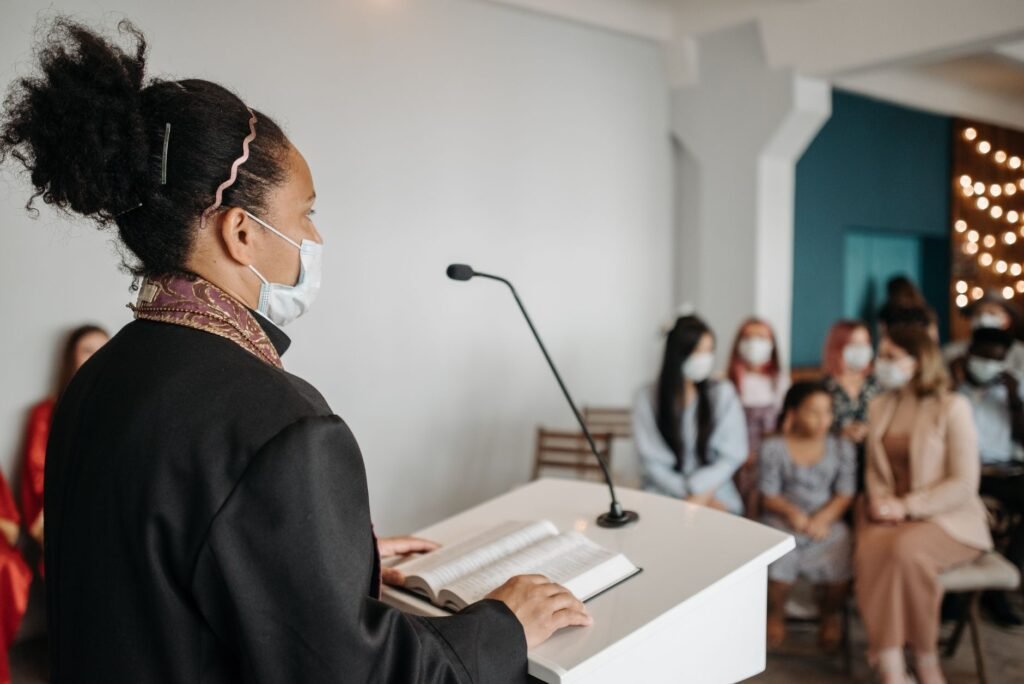
Understanding the Biblical Context of Public Health
When the Bible speaks about disease, health, cleanliness, and the care of communities, it does so within a broader narrative of holiness, compassion, responsibility, and care for others. Scripture contains numerous laws and teachings concerning cleanliness, contagious conditions, food, sanitation, and the treatment of vulnerable people. Although these instructions were given to ancient Israel within a particular covenant and cultural setting, they demonstrate an important biblical principle: the health and well-being of individuals and communities matter to God.
The Psalms also express strong confidence in God’s ability to protect His people. Psalm 91:10 says, “There shall no evil befall thee, neither shall any plague come nigh thy dwelling.” This verse reflects trust in God’s protection and His ability to preserve His people in times of danger. However, it should not be understood as a promise that faithful believers will never experience illness or disease. Scripture contains many examples of people who loved and served God while experiencing suffering and physical difficulties. Psalm 91 is therefore best understood as an expression of confidence in God’s presence and protection rather than a guarantee of a life completely free from sickness.
The Old Testament contains detailed instructions concerning conditions that could affect individuals and the wider community. Leviticus 13–15, for example, describes procedures involving certain skin conditions, bodily discharges, and potential sources of contamination. In some situations, individuals were separated from the community for a period of time and examined before being declared clean and returning to normal community life. These practices belonged to Israel’s religious and social system, but they demonstrate the importance placed on cleanliness, careful observation, and protecting the community from potential harm.
The principle of caring for others also appears throughout the laws given to Israel. God’s people were instructed not to exploit or mistreat vulnerable members of society, including foreigners, widows, orphans, and the poor. Leviticus 19:18 commands, “thou shalt love thy neighbour as thyself.” This principle goes beyond avoiding physical harm. It calls people to consider the needs and well-being of others, especially those who may be unable to protect or provide for themselves.
Jesus continued this emphasis on compassion during His earthly ministry. The Gospels repeatedly describe Him healing people who were sick, disabled, or suffering from various conditions. In Matthew 8:2–3, Jesus encountered a man with leprosy and reached out to him before healing him. His response demonstrated compassion toward someone who could easily have been treated as an outsider. Jesus’ ministry consistently showed that sickness should not be used as a reason to despise, isolate, or devalue another person.
The Bible also challenges the idea that every illness is directly caused by an individual’s personal sin. In John 9:1–3, Jesus’ disciples asked whether a man’s blindness was caused by his own sin or the sin of his parents. Jesus rejected their assumption and explained that the situation should not simply be interpreted as a punishment for personal wrongdoing. This is an important biblical principle because it prevents people from automatically blaming those who become sick and encourages compassion instead of judgment.
Public health also involves the responsibility to protect other people. The biblical command to love one’s neighbor provides a foundation for considering how our actions affect those around us. While the Bible does not provide a modern public-health system or prescribe contemporary medical practices, its teachings about cleanliness, responsibility, compassion, hospitality, and protecting vulnerable people can inform how believers think about community well-being. Caring for others is not opposed to faith; it can be an expression of love.
Scripture also recognizes the value of wisdom and appropriate care for the body. Paul describes the body as a temple of the Holy Spirit in 1 Corinthians 6:19–20 and encourages believers to glorify God with their bodies. This passage is primarily about holiness and sexual conduct, but it also contributes to the broader biblical understanding that the human body should not be treated carelessly. Christians can therefore approach health with gratitude, responsibility, and wisdom while remembering that physical health is not the ultimate measure of a person’s relationship with God.
At the same time, the Bible does not teach that people can completely control their health through good behavior. Even people who live faithfully can experience disease, injury, aging, and death. This is why Christian faith involves both responsible action and dependence on God. A person can pray for healing while also seeking appropriate medical care, following professional advice, and accepting help from others. Seeking treatment does not necessarily demonstrate a lack of faith, just as prayer does not eliminate the value of practical wisdom.
The biblical approach to public health therefore brings together faith, personal responsibility, compassion, and concern for the wider community. Believers are encouraged to trust God while also acting wisely, caring for those who are vulnerable, and avoiding unnecessary harm to others. The Bible does not promise that God’s people will never become sick, but it does consistently call them to respond to suffering with compassion and to recognize the value of every human life.
Ultimately, Scripture points beyond the temporary concerns of physical health toward God’s larger promise of restoration. Revelation 21:4 describes a future in which “there shall be no more death, neither sorrow, nor crying, neither shall there be any more pain.” Until that day, the biblical response to sickness and suffering is not fear or judgment, but faith, wisdom, compassion, and care for one another. Public health, viewed through this biblical lens, is therefore connected not only to preventing disease but also to loving our neighbors and recognizing our responsibility toward the well-being of the community.
For further study on this topic, GotQuestions.org is a helpful resource: https://www.gotquestions.org/
Keep Exploring Scripture
Continue your Bible study with our collection of Scripture tools, topics, people, places, and study resources.
Explore Bible Study ToolsYou May Also Like

How Can I Be Brave When I’m Afraid?
Learn practical ways to be brave when fear strikes, rooted in Scripture and real-life…

How Can Christians Become More Courageous?
Discover practical ways for believers to cultivate courage through faith, prayer, and community in…

What Does It Mean to Be Strong in the Lord?
Discover what it truly means to be strong in the Lord through Scripture and…

What Does the Bible Say About Being Strong?
Discover what the Bible says about being strong, including key verses and practical insights…

How Can God Give Me Strength?
Discover how God gives strength through prayer, Scripture, community, and His Spirit, empowering you…

How Can I Overcome Discouragement?
Discover practical steps to overcome discouragement through faith, prayer, community support, and God’s promises.
Join the Conversation