
What Does the Bible Say About Interracial Marriage?
Exploring Scripture reveals that the Bible’s primary concern in marriage is covenant faithfulness, not ethnicity. This post examines Old and New Testament teachings, biblical examples, and practical considerations for today’s believers.

The Biblical Definition of Marriage
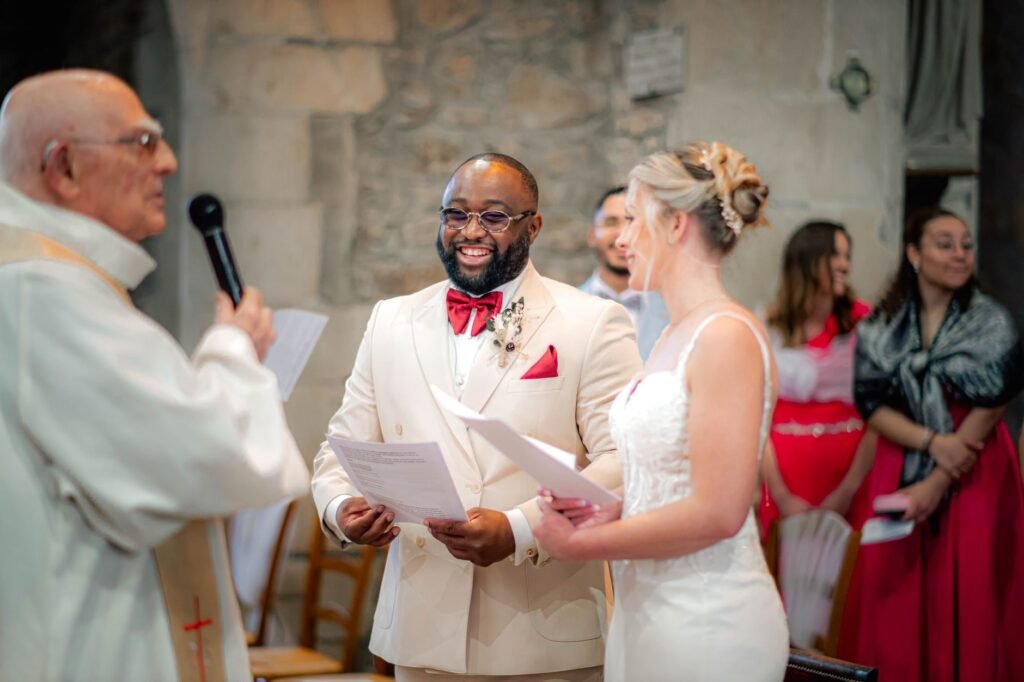
From the opening chapters of Genesis the Bible frames marriage as a divinely instituted covenant between a man and a woman. Genesis chapter two verse twenty‑four declares, “Therefore shall a man leave his father and his mother, and shall cleave unto his wife: and they shall be one flesh.” This description emphasizes unity, mutual commitment, and the creation of a new family identity that transcends the original parental households.
Jesus reaffirms this definition in the Gospel of Matthew. He asks, “Hath not the Scripture said, ‘For this cause shall a man leave his father and mother, and shall be joined unto his wife, and they shall be one flesh’?” Matthew chapter nineteen verses four through six records His answer, underscoring that marriage is a joining that makes “the two become one flesh.” The focus here is on the relational bond, not the ethnic background of the partners.
Old Testament Context: Covenant and Community
Some readers point to Deuteronomy chapter seven verse three, which commands, “Neither shall you intermarry with them; thy daughter thou shalt not give unto their son, nor their daughter shall thou take unto thy son.” This prohibition was directed toward specific neighboring peoples whose worship of foreign gods threatened Israel’s covenantal purity. The concern was primarily religious, not racial, as the text repeatedly links forbidden unions to idolatry (see also Exodus chapter twenty‑two verse twenty‑four).
Conversely, the Old Testament also records celebrated unions across ethnic lines. The book of Ruth tells the story of a Moabite woman who chooses to accompany her Israelite mother‑in‑law and later marries Boaz, an Israelite of the tribe of Judah. Ruth chapter one verse sixteen captures her commitment: “Intreat me not to leave thee, or to turn back from following after thee; for whither thou goest, I will go; and whither thou lodgest, I will lodge.” Their marriage becomes the lineage through which King David and ultimately Jesus are traced, demonstrating that God’s redemptive plan includes cross‑cultural relationships.
Additionally, the Law of Moses commands humane treatment of foreigners. Leviticus chapter nineteen verses thirty‑three and thirty‑four instructs, “And if any stranger sojourn with thee in your land, ye shall not vex him… the stranger that dwelleth with you shall be unto you as the born among you; thou shalt love him as thyself.” While not a marriage law, this passage reveals a biblical ethic of love toward those of different backgrounds.
New Testament Teaching on Unity and Equality
The apostolic writers consistently stress that, in Christ, ethnic distinctions lose their divisive power. Galatians chapter three verse twenty‑eight proclaims, “There is neither Jew nor Greek, there is neither bond nor free, there is neither male nor female: for ye are all one in Christ Jesus.” This theological truth undergirds the Christian understanding that the marriage covenant is ultimately about two believers united before God, irrespective of race.
Peter’s declaration in Acts chapter ten verses thirty‑four and thirty‑five reinforces this inclusivity: “I now perceive that God shows no partiality; but in every nation, the one who fears Him and does what is right is acceptable to Him.” The early church’s embrace of the Gentile believers (see Romans chapter one verse sixteen) set a precedent for crossing cultural boundaries without fear of biblical censure.
Paul also warns against forming binding relationships that jeopardize spiritual fidelity. 2 Corinthians chapter six verse fourteen cautions, “What agreement hath the temple of God with idols? For we are the temple of the living God.” While the immediate context addresses idolatry, the principle is often applied to partnerships—marriage included—where one partner is not a follower of Christ. The focus, therefore, is on shared faith rather than shared ethnicity.
The Example of Ruth and Boaz: A Biblical Model
Ruth’s narrative offers a concrete illustration of an intercultural marriage blessed by God. As a Moabite, Ruth was an outsider, yet her loyalty to Naomi and her embrace of the God of Israel earned her a place within the community of God’s people. Boaz’s willingness to marry her, in accordance with the levirate law, not only restored Naomi’s family line but also incorporated Ruth’s heritage into Israel’s redemptive history.
When the genealogy of Jesus is recorded in Matthew chapter one, Ruth’s name appears among the ancestors, highlighting that the Messiah’s lineage includes a Gentile woman. This inclusion underscores that God’s covenantal promises transcend ethnic boundaries and that an intercultural marriage can be a conduit of divine blessing.
Practical Considerations for Today’s Believers
Modern couples often encounter cultural differences that can affect family traditions, communication
For further study on this topic, Blue Letter Bible is a helpful resource: https://www.blueletterbible.org/
Keep Exploring Scripture
Continue your Bible study with our collection of Scripture tools, topics, people, places, and study resources.
Explore Bible Study ToolsYou May Also Like
Understanding Biblical Hospitality in a Digital Age
Exploring how Scripture defines hospitality, why it matters today, and practical ways to practice…
Applying the Parable of the Talents to Today’s Career Decisions
Discover how the timeless lesson of the talents can shape wise, faithful, and purposeful…

What Does the Bible Say About Managing Money and Generosity in Modern Times?
Exploring biblical principles of stewardship, wise spending, and generous giving, this article shows how…

How Should Christians Respond to Political Propaganda?
Navigating modern political propaganda demands biblical wisdom, discernment, and a heart anchored in truth.…

Why Do Conspiracy Theories Spread Among Christians?
An exploration of the biblical, psychological, and cultural factors that make believers vulnerable to…

Why Are Christians Vulnerable to Conspiracy Theories?
Exploring the biblical roots of our desire for hidden explanations, this article examines why…
Join the Conversation