
How Should Christians Respond to Unanswered Prayer?
Exploring biblical wisdom, real‑life stories, and the role of faith when prayers seem to go unheard.

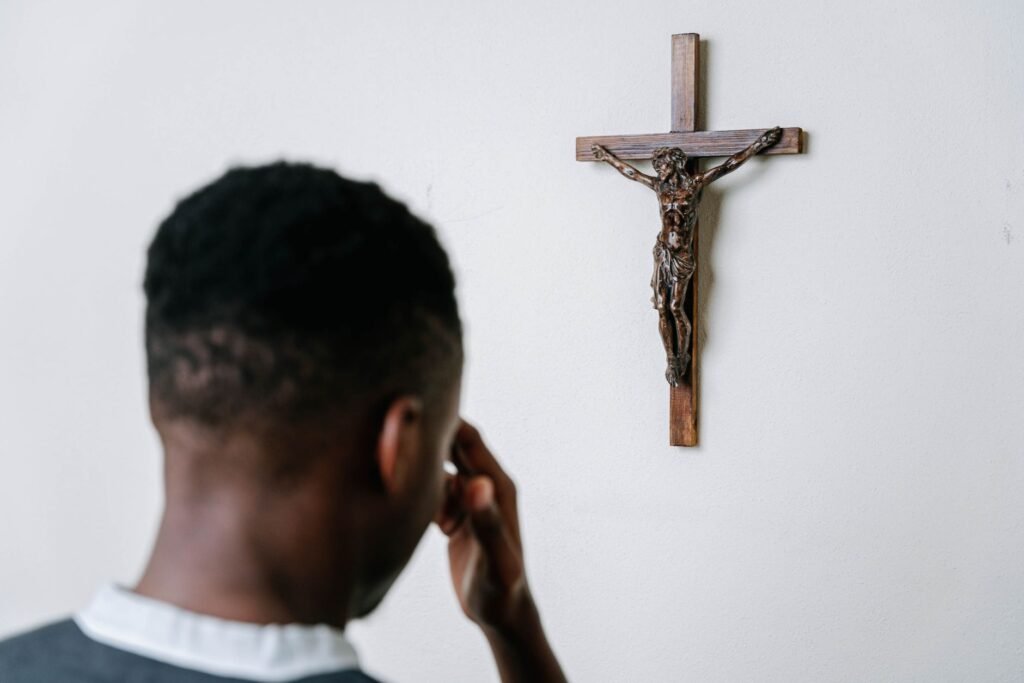
The Purpose of Prayer in Scripture
Prayer is presented in the Bible as the primary way believers communicate with the Creator. The apostle Paul exhorts, “Do not be anxious about anything, but in every circumstance, by prayer and supplication with thanksgiving, present your requests to God” (Philippians 4:6). This invitation is not a guarantee that every petition will be granted exactly as asked, but an invitation to bring the full range of human experience before the One who “is near to all who call on Him” (Psalm one hundred forty‑five:18). The biblical pattern shows prayer as both a means of aligning our hearts with God’s will and an expression of trust in His sovereign goodness.
When God Appears Silent: Biblical Perspectives
Even faithful people in Scripture wrestled with silence. The psalmist cries, “Evening, morning, and noon I cry out in distress, and He hears my voice” (Psalm fifty‑five:17), yet the same psalm includes the raw question, “How long, O LORD? Will you forget me forever? How long will you hide your face from me?” (Psalm 13:1). The prophet Isaiah reminds us, “For my thoughts are not your thoughts, neither are your ways my ways, declares the LORD. As the heavens are higher than the earth, so are my ways higher than your ways and my thoughts than your thoughts” (Isaiah fifty‑three: eight). These passages suggest that unanswered prayer is often a mystery rooted in God’s greater perspective rather than a failure on our part.
Trusting God’s Sovereignty and Wisdom
The New Testament reinforces confidence in God’s overarching plan: “And we know that in all things God works for the good of those who love Him, who have been called according to His purpose” (Romans 8:28). This promise does not imply that every prayer will be answered the way we desire, but that God can weave even difficult circumstances into a broader tapestry of redemption. The apostle Paul also writes, “For we walk by faith, not by sight” (2 Corinthians 5:7), urging believers to trust the unseen hand of God even when tangible evidence seems lacking.
The Role of Faith and Perseverance
James advises believers to “ask for wisdom” and promises that “it will be given to him” (James 1:5), highlighting that persistent, humble seeking is part of the prayer life. Yet perseverance is not blind stubbornness; it is anchored in the assurance that God values sincere faith. Hebrews encourages, “So do not throw away your confidence; it will be richly rewarded” (Hebrews 10:35). The biblical model of perseverance includes moments of waiting, reflection, and growth, rather than a simple tally of “answers received.”
Learning from the Psalms of Lament
The Psalms provide a rich resource for understanding how to bring unanswered prayer before God. In Psalm thirteen the psalmist laments, “How long, O LORD? Will you forget me forever?” yet concludes, “But I trust in your unfailing love; my heart rejoices in your salvation” (Psalm 13:5‑6). The structure—honest complaint followed by renewed trust—offers a template: we may voice frustration, but we ultimately rest in God’s steadfast character. This pattern reflects a relational dynamic rather than a transactional one, reminding believers that God desires authenticity over formulaic petitions.
Community, Counsel, and Re‑examining Motives
Christian response to unanswered prayer is not meant to be a solitary journey. Scripture urges mutual support: “Encourage one another and build each other up” (1 Thessalonians 5:11). James adds, “Confess your sins to each other and pray for each other so that you may be healed” (James 5:16). Sharing doubts and disappointments within a trusted community can reveal hidden motives, provide biblical perspective, and remind believers that the body of Christ bears one another’s burdens. Wise counsel may also prompt a re‑evaluation of whether a request aligns with God’s heart, echoing Jesus’ teaching that “not everyone who says to Me, ‘Lord, Lord,’ shall enter the kingdom of heaven, but only he who does the will of My Father” (Matthew 7:21</
For further study on this topic, iBible Answers is a helpful resource: https://ibibleanswers.com/
Keep Exploring Scripture
Continue your Bible study with our collection of Scripture tools, topics, people, places, and study resources.
Explore Bible Study ToolsYou May Also Like
Understanding Biblical Hospitality in a Digital Age
Exploring how Scripture defines hospitality, why it matters today, and practical ways to practice…

Applying the Parable of the Talents to Today’s Career Decisions
Discover how the timeless lesson of the talents can shape wise, faithful, and purposeful…

What Does the Bible Say About Managing Money and Generosity in Modern Times?
Exploring biblical principles of stewardship, wise spending, and generous giving, this article shows how…

How Should Christians Respond to Political Propaganda?
Navigating modern political propaganda demands biblical wisdom, discernment, and a heart anchored in truth.…

Why Do Conspiracy Theories Spread Among Christians?
An exploration of the biblical, psychological, and cultural factors that make believers vulnerable to…

Why Are Christians Vulnerable to Conspiracy Theories?
Exploring the biblical roots of our desire for hidden explanations, this article examines why…
Join the Conversation