
What Does It Mean That God Is Still on the Throne?
The biblical picture of God seated on His throne speaks of unchanging authority, ongoing sovereignty, and a present reality that shapes every believer’s life today.

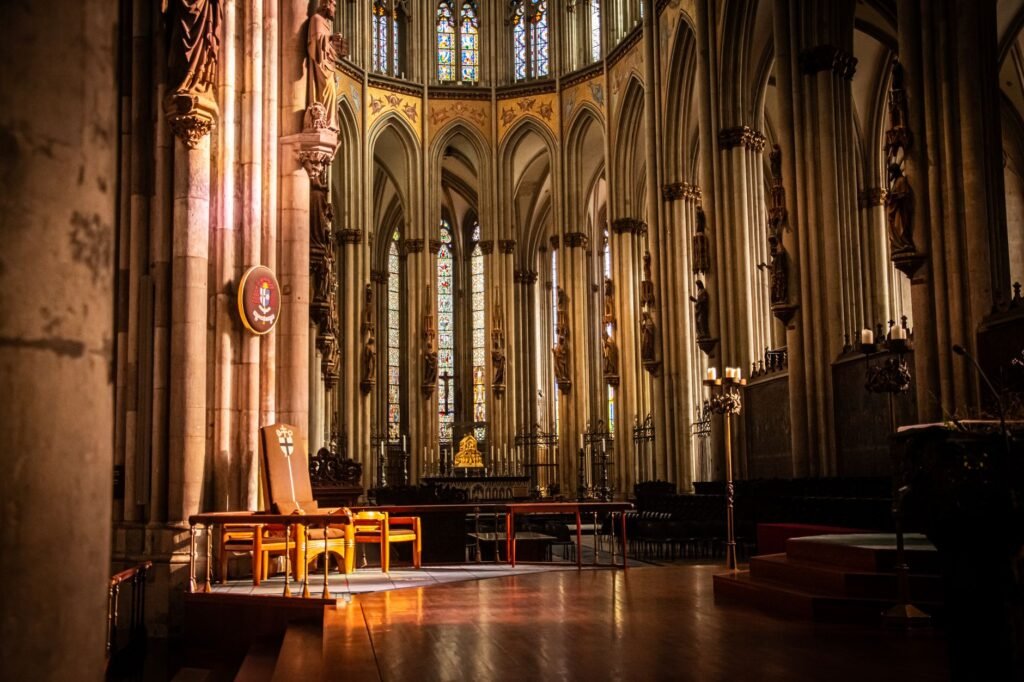
The Biblical Image of the Throne
From the Old Testament to the Revelation of John, Scripture repeatedly presents God as a sovereign who “reigns… on His holy throne” (Psalm Forty‑seven:Eight). The throne is not a mere piece of furniture; it symbolizes supreme authority, divine majesty, and the place from which God governs the universe. In Isaiah Sixty‑six:One the prophet declares, “Heaven is My throne, and the earth is My footstool,” emphasizing that God’s rule extends over all creation. The visual of a throne also conveys stability—unlike earthly thrones that are subject to overthrow, God’s throne is eternal (Psalm Ninety‑three:One, “The LORD reigns, He is robed in majesty”).
God’s Eternal Sovereignty in Scripture
The psalmists and prophets affirm that God’s reign is not a past event but an ongoing reality. In Psalm One Hundred and Twenty‑two:1 we read, “I will praise the name of God with a song; I will magnify Him with thanksgiving, for the LORD is good; His steadfast love endures forever, and His faithfulness to all generations.” The phrase “the LORD is good” is anchored in His unchanging character, which is inseparably linked to His position on the throne. Daniel’s vision of “One like a son of man” coming “with the clouds of heaven” and receiving “dominion and glory and a kingdom” that “all peoples, nations, and languages should serve Him” (Daniel 7:13‑Fourteen) portrays the everlasting dominion that will never be revoked. This future vision confirms that the throne’s authority is not limited to a particular era but stretches into the eschatological fulfillment of God’s kingdom.
The Throne in the New Testament Fulfillment
Jesus Christ is presented as the one who occupies the divine throne on behalf of His people. In John Twenty‑Eight:Eighteen Jesus declares, “All authority in heaven and on earth has been given to Me,” a clear statement that the authority of the throne has been transferred to the Son. The Epistle to the Hebrews affirms this reality: “The Son is the radiance of God’s glory and the exact representation of His being” (Hebrew One:Three), indicating that the throne’s glory is now revealed in the person of Christ. Paul further explains that God “raised Him from the dead and seated Him at His right hand in the heavenly realms, far above all rule and authority” (Ephesians 1:20‑Four). This exaltation demonstrates that the throne is still occupied—now by the risen Messiah—ensuring that God’s reign continues unabated.
What “Still on the Throne” Means for Creation
If God “still” sits on His throne, the natural world is still under His sovereign control. The Psalmist declares, “The earth is the LORD’s, and the fullness thereof, the world and those who dwell therein” (Psalm One Hundred‑and‑Twenty‑Four:One). This verse underscores that the entire created order remains within the scope of divine governance. When Jesus says, “the Father judges no one, but He has given all judgment to the Son” (John 5:20‑Two), it reassures believers that the ultimate justice of the throne is still operative, even when human systems fail. Moreover, Revelation depicts a heavenly court where “the twenty‑four elders fell down before the One seated on the throne” (Revelation 4:10), reminding us that the cosmic order is continually oriented toward the throne’s authority, a reality that will culminate in the new heaven and new earth (Revelation Twenty‑One:One‑Four).
Living Under the King: Practical Implications
Understanding that God “still” reigns changes how believers approach everyday decisions. Consider a small business owner who faces a costly ethical dilemma. By remembering that “the LORD is my shepherd; I shall not want” (Psalm Twenty‑Three:One) and that “the LORD will guide you continually; He will satisfy your soul in barren places” (Isaiah Five‑Thirty‑Four), the owner may choose integrity over profit, trusting that the King’s throne assures ultimate provision. In a more communal setting, a church’s leadership might confront a conflict over doctrine. Recognizing that “the Spirit of the Lord has made them speak; the breath of the Almighty gives them understanding” (Job Twenty‑Eight:Twenty‑Twenty‑One) leads them to seek the Holy Spirit’s guidance, knowing that the throne’s authority provides the foundation for true discernment.
In personal prayer, the image of God on His throne invites believers to approach Him with reverence and confidence. The Apostle Peter exhorts, “Be sober‑minded; be watchful. Your adversary the devil prowls around like a roaring lion, seeking someone to devour. Resist him, firm in the faith” (1 Peter 5:8‑Nine). The assurance that God “sits on the throne and reigns forever” (Psalm One Hundred‑and‑Nine:Two) empowers believers to resist temptation, knowing the King’s rule eclipses any demonic scheme.
Hope and Assurance from the Throne
The promise that God remains on His throne fuels eschatological hope. Revelation reveals that “the one who was seated on the throne shall come” and “the dead will be raised imperishable” (Revelation Twenty‑Twenty‑Four). This future fulfillment rests upon the unbroken continuity of God’s reign. The apostle Paul reminds the Thessalonians, “The Lord himself will descend from heaven with a cry of command, with the archangel’s voice and the trumpet of God” (1 Thessalonians 4:6). Because the throne has never been vacated, believers can trust that these promises will be realized.
For those wrestling with suffering, the throne’s permanence offers comfort. The Psalmist declares, “Even though I walk through the valley of the shadow of death, I will fear no evil, for You are with me” (Psalm Twenty‑Three:Four). The presence of the King on His throne assures that no circumstance can displace His caring governance. As Got Questions notes, the throne symbolizes both authority and relational intimacy; God’s reign does not distance Him from His people but rather secures their ultimate well‑being.
Closing Reflection
The phrase “God is still on the throne” is more than a doctrinal statement; it is a living reality that permeates Scripture, history, and daily life. It reminds us that the Creator’s authority is unshakable, that Jesus Christ now occupies that seat of power, and that the world continues under divine governance. When we recognize that the throne is never empty, we can walk with confidence, make decisions with humility, and await the consummation of God’s kingdom with hopeful anticipation. In every moment of triumph or trial, the image of God enthroned calls us to submit, to trust, and to worship the One whose reign endures forever.
Keep Exploring Scripture
Continue your Bible study with our collection of Scripture tools, topics, people, places, and study resources.
Explore Bible Study ToolsYou May Also Like
Understanding Biblical Hospitality in a Digital Age
Exploring how Scripture defines hospitality, why it matters today, and practical ways to practice…
Applying the Parable of the Talents to Today’s Career Decisions
Discover how the timeless lesson of the talents can shape wise, faithful, and purposeful…

What Does the Bible Say About Managing Money and Generosity in Modern Times?
Exploring biblical principles of stewardship, wise spending, and generous giving, this article shows how…

How Should Christians Respond to Political Propaganda?
Navigating modern political propaganda demands biblical wisdom, discernment, and a heart anchored in truth.…

Why Do Conspiracy Theories Spread Among Christians?
An exploration of the biblical, psychological, and cultural factors that make believers vulnerable to…
Why Are Christians Vulnerable to Conspiracy Theories?
Exploring the biblical roots of our desire for hidden explanations, this article examines why…
Join the Conversation