
What Can Christians Learn From Serving as Church Elders?
Exploring the biblical foundations, responsibilities, and spiritual blessings of eldership reveals timeless lessons for every believer, whether or not they hold a formal office.

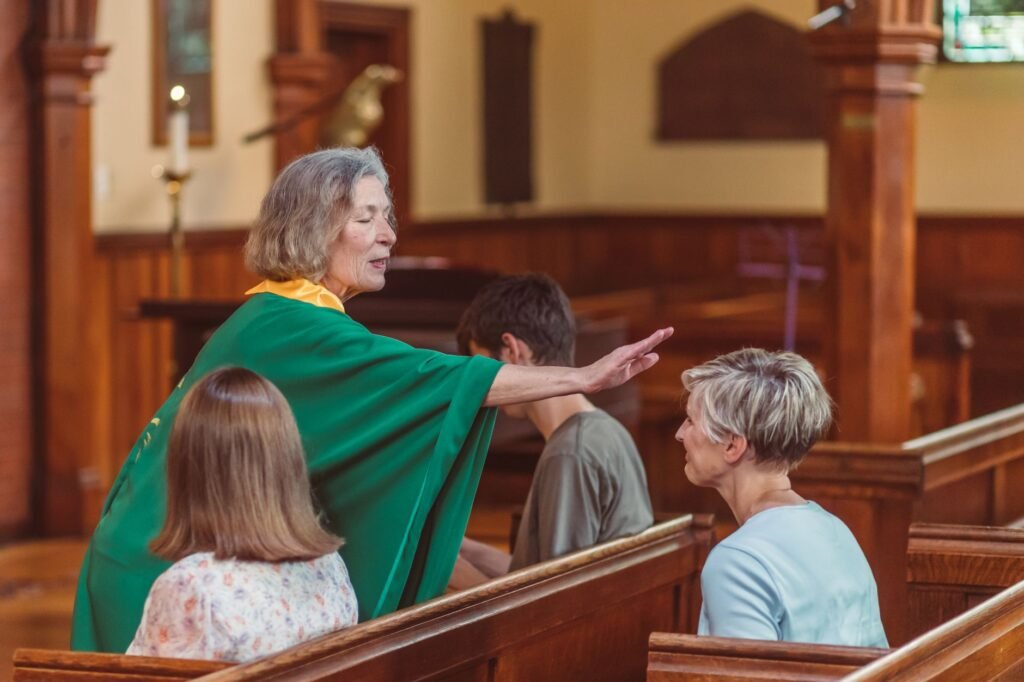
Understanding the Biblical Concept of Eldership
The New Testament presents the office of elder, sometimes called overseer or shepherd, as a vital leadership role within the local body of believers. In Acts chapter twenty verse twenty‑eight the Apostle Paul exhorts the elders of the church at Ephesus, “Pay careful attention to yourselves and to all the flock, … for you will be accountable to God both the one who has appointed you and the one who is going to appear.” This charge underscores that eldership is not merely a position of authority but a solemn stewardship before God.
The Greek word “presbyteros,” translated “elder,” appears alongside “episkopos” (overseer) in the pastoral epistles, indicating that the two terms refer to the same office (see Titus one chapter five verse six). The consistent pairing suggests that the early church recognized elders as those appointed to watch, guide, and protect the congregation, mirroring the pastoral care Jesus gave his disciples (John thirteen verses one‑17).
These passages establish three foundational ideas: elders are appointed by divine authority, they bear personal and communal accountability, and they function within a relational network of believers. Recognizing these biblical premises helps Christians appreciate the weight of the role and the spiritual principles it embodies.
The Shepherd’s Heart: Caring for God’s People
The image of a shepherd recurs throughout Scripture to describe God’s relationship with His people. Psalm one hundred and twenty‑two verses one‑3 depicts the Lord as the Good Shepherd who “leads his flock beside still waters.” When elders are called to “feed the flock of God” (Acts twenty verse twenty‑eight), the metaphor expands to include feeding spiritually through teaching, protecting from danger, and guiding toward safe pastures.
Jesus modeled this care in the feeding of the five thousand (Matthew fourteen verses nineteen‑21) and in the washing of his disciples’ feet (John thirteen verses four‑5). An elder who embraces a shepherd’s heart will therefore prioritize the spiritual nourishment and safety of the congregation above personal ambition. The apostle Peter reminds us in First Peter five verses one‑4 that elders are “to be shepherds of God’s flock, serving willingly, not for a shameful gain, but eagerly.” The phrase “willingly” signals that service must flow from love, not coercion.
In practice, a shepherding elder may visit a grieving family, listen to a young adult wrestling with doubt, or organize a community outreach that reflects Christ’s compassion. Each act mirrors the biblical mandate to care for the “weaklings” and “sick” among us, echoing James one chapter five verses fourteen‑15.
Qualifications that Shape Character
The New Testament provides a detailed list of qualifications for elders in both First Timothy three verses one‑seven and Titus one chapter five verses six‑9. These passages stress attributes such as being above reproach, faithful to one’s spouse, temperate, self‑controlled, respectable, hospitable, able to teach, not a drunkard, not a violent person, and managing one’s own household well.
Each qualification is rooted in a broader biblical principle. For example, “not a drunkard” aligns with Ephesians five verses eighteen, which warns believers not to be “drunk with wine, which leads to debauchery.” “Managing one’s own household well” echoes the teaching in 1 Timothy four verses twelve that a believer’s conduct at home validates their public ministry. Moreover, the call to be “able to teach” reflects the high value placed on sound doctrine in Scripture, as Paul exhorts Timothy to “guard the good deposit” (1 Timothy six verses twenty‑one).
These standards are not merely check‑list items; they are formative practices that shape an elder’s character. A real‑life illustration can be found in the story of a small‑town pastor who, after years of neglecting his marriage, took the qualifications seriously, sought counseling, and restored his relationship. This personal transformation not only honored his family but also restored credibility among his congregation, illustrating how the biblical criteria protect both the individual and the church.
Servant Leadership as the Elders’ Model
Jesus defined greatness as service in Mark ten verses forty‑45: “The Son of Man came not to be served but to serve, and to give his life as a ransom for many.” Elders are called to embody this counter‑cultural model. First Peter five verses two‑3 urges elders to “be shepherds of God’s flock, serving voluntarily, not as masters over those who are your equals, but as examples to the flock.” The phrase “examples” indicates that elders must lead by humble service, not by authoritarian rule.
Paul’s instruction to the Philippians in Philippians two verses three‑5 to “do nothing out of selfish ambition or conceit, but in humility count others better than yourselves,” reinforces this principle. When an elder chooses to wash a baptismal font, set up chairs for a children’s ministry, or personally deliver groceries to a homebound member, he demonstrates that leadership is rooted in humility.
Consider a modern scenario: an elder at a mid‑size suburban church learns that a long‑time member has lost their job. Instead of delegating the task, the elder spends evenings arranging a support network, offering encouragement, and praying alongside the family. This act of servant leadership not only meets a practical need but also models Christlike love to the whole congregation.
Teaching and Protecting Sound Doctrine
The primary teaching function of elders is highlighted in 1 Timothy three verses two and Titus one verses nine, which speak of the need “to be able to teach.” The New Testament repeatedly warns that false teaching can lead believers astray (2 Timothy four verses three‑4). Elders, therefore, bear a guard‑ing responsibility, as Paul exhorts Timothy in 1 Timothy two verses “the head of the church is Christ, and he is the one who has the authority to protect the flock from error.”
Hebrews thirteen verses seventeen advises believers to “obey your leaders and submit to them, for they keep watch over your souls, as those who must give an account.” This verse underscores the protective dimension of teaching: elders must ensure that doctrine aligns with the apostolic witness.
In practice, an elder may organize a series of Bible study sessions on the nature of salvation, using passages such as John three verses sixteen and Romans ten verses nine‑10 to anchor the discussion. By providing clear biblical foundations, the elder helps the congregation discern truth from error, thereby strengthening the church’s theological health.
Pastoral Care and Counseling
Beyond teaching, elders are entrusted with personal pastoral care. In James one chapter five verses fourteen‑15, the elders are described as “the anointed ones” who “pray over the sick.” This verse indicates a spiritual role in prayer, but it also points to the broader practice of interceding for and comforting believers.
The apostle Paul’s letter to the Corinthians (2 Corinthians one verses three‑5) reveals that God “comforts us in all our troubles, so that we may be able to comfort those in any trouble.” Elders, as spiritual leaders, are therefore called to embody this comfort. This may involve offering biblical counsel to a couple facing marital strain, visiting a grieving family, or providing mentorship to a young adult navigating career decisions.
A concrete example can be seen in the life of an elder who, after hearing a teenager’s confession of anxiety about college, spends weeks walking through Scripture, sharing Psalm one hundred and forty verses one‑3, and praying together. The teenager’s confidence grows, and the elder’s own reliance on God deepens, illustrating the mutual edification that occurs in pastoral care.
Guarding the Flock from Division
The New Testament warns that division can weaken the body of Christ. Paul’s warning to the Corinthians in First Corinthians one verses ten‑13 urges believers to “be united, not divided.” Elders, as overseers, have the duty to promote unity. First Peter five verses eight‑9 advises believers to “be sober, watchful… resist the devil, firm in the faith.” This vigilance extends to relational health within the church.
When conflict arises, elders are instructed to “rebuke in the presence of two or three witnesses” (Matthew eighteen verses fifteen‑17), a biblical process aimed at restoring relationships. By following this biblical conflict‑resolution model, elders protect the community from the corrosive effects of unchecked strife.
Consider a church that experiences a disagreement over worship style. An elder who convenes a small, diverse group, listens attentively, and guides the conversation back to the heart of worship, glorifying God in spirit and truth (John four verses twenty‑four), demonstrates biblical peacemaking. The outcome may be a blended worship approach that honors tradition while embracing new expressions, thereby strengthening the congregation’s unity.
Accountability and Humility in Leadership
The apostle Paul reminds Timothy in 1 Timothy five verses nineteen‑20 that “the elders who rule well are to be considered worthy of double honor, especially those who labor in preaching and teaching. But those who are sinning… must be rebuked publicly.” This passage highlights the principle of mutual accountability: elders are both honored and held responsible for their conduct.
Furthermore, James one chapter five verses 16 encourages believers to “confess your sins to one another and pray for each other.” An elder who embraces this practice models humility and creates a culture where confession leads to restoration rather than shame.
A real‑life illustration: an elder discovers he has mishandled church finances unintentionally. He promptly confesses to the board, seeks counsel, and implements stricter accounting procedures. His transparency restores trust and demonstrates that true leadership includes willingness to be corrected.
Spiritual Growth Benefits for the Elder
Serving as an elder is not merely a service to others; it is also a conduit for personal sanctification. Paul writes in 2 Timothy three verses ten‑11 that “the good soldier of Christ Jesus endures hardship, doing the will of God.” The challenges faced in eldership, conflict, teaching, pastoral care, refine character, patience, and reliance on the Holy Spirit.
In addition, the discipline of regular prayer and Scripture study required of elders aligns with the promise in Psalm one hundred and forty verses two‑3 that “the Lord will keep you safe from all harm.” As elders deepen their relationship with God, they experience the blessings of divine guidance and protection.
A practical scenario: an elder who begins each day with a devotional on Psalm one hundred and twenty‑two verses one‑3 discovers a renewed sense of peace amid a church building crisis. The scriptural anchor reminds him that “the Lord is his shepherd,” and this trust sustains his leadership through difficulty.
Lessons for All Christians, Regardless of Position
Even believers who do not hold the formal title of elder can apply the principles discussed. The call to humility, servant leadership, sound teaching, and pastoral care is universal (Ephesians four verses eleven‑13). By emulating an elder’s devotion to Scripture, believers can grow in wisdom and love.
For instance, a lay member who volunteers to lead a small group can adopt the “above reproach” attitude (First Timothy three verses one‑7) by ensuring personal integrity and fostering a welcoming environment. Likewise, practicing “bearing one another’s burdens” (Galatians six verses two) reflects the elder’s role of caring for the flock.
Finally, the broader church benefits when each member adopts an elder‑like mindset. As the body of Christ, we are called to “build each other up” (1 Corinthians fourteen verses26‑27). When every believer embraces the servant‑heart, doctrinal fidelity, and accountability modeled by elders, the entire community reflects Christ’s love more fully.
Continuing the Journey: Resources for Deeper Understanding
Those interested in exploring the biblical role of elders further may find comprehensive studies on reputable Christian sites. A helpful starting point is the Got Questions website, which offers articles that examine pastoral qualifications, responsibilities, and the spiritual significance of church leadership.
Engaging with such resources, alongside diligent prayer and communal dialogue, equips believers to serve faithfully, whether as an elder or in any other capacity. The biblical portrait of eldership invites every Christian to pursue a deeper imitation of Christ, the ultimate Shepherd, and to experience the transformative power of serving His people.
Keep Exploring Scripture
Continue your Bible study with our collection of Scripture tools, topics, people, places, and study resources.
Explore Bible Study ToolsYou May Also Like
Understanding Biblical Hospitality in a Digital Age
Exploring how Scripture defines hospitality, why it matters today, and practical ways to practice…

Applying the Parable of the Talents to Today’s Career Decisions
Discover how the timeless lesson of the talents can shape wise, faithful, and purposeful…

What Does the Bible Say About Managing Money and Generosity in Modern Times?
Exploring biblical principles of stewardship, wise spending, and generous giving, this article shows how…

How Should Christians Respond to Political Propaganda?
Navigating modern political propaganda demands biblical wisdom, discernment, and a heart anchored in truth.…

Why Do Conspiracy Theories Spread Among Christians?
An exploration of the biblical, psychological, and cultural factors that make believers vulnerable to…

Why Are Christians Vulnerable to Conspiracy Theories?
Exploring the biblical roots of our desire for hidden explanations, this article examines why…
Join the Conversation