
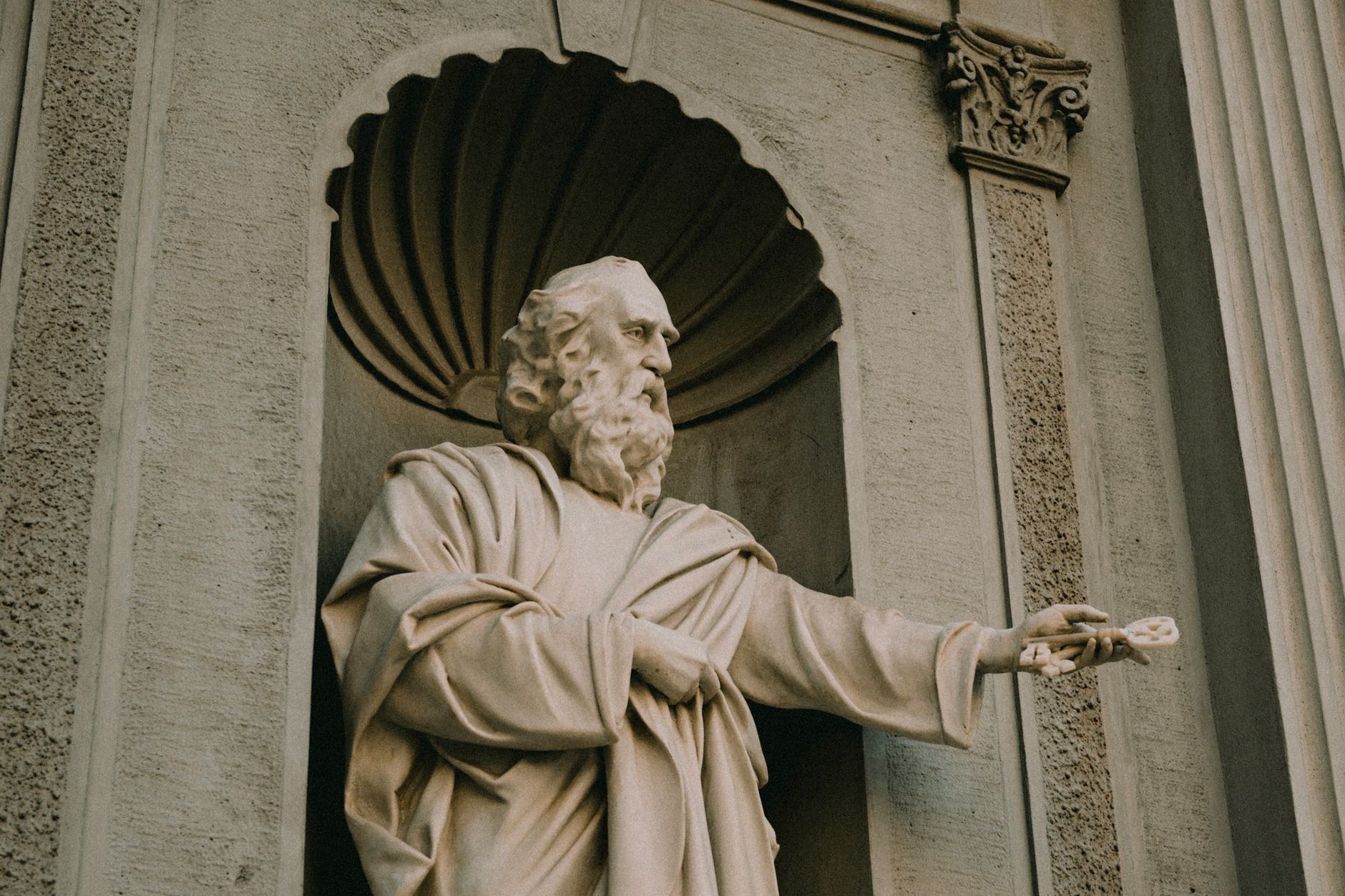
Isaiah was one of the major prophets of the Old Testament, active in Judah during a turbulent period of political upheaval, and his book contains some of Scripture's most detailed and specific prophecies about the coming Messiah, written centuries before Jesus' birth.
Isaiah 6:1 records his dramatic call, a vision of God "high and lifted up" in the temple, surrounded by seraphim calling out God's holiness. Isaiah's response is immediate and honest, "woe is me! for I am undone; because I am a man of unclean lips," before a seraph touches his mouth with a coal, symbolically cleansing him for the calling ahead.
Isaiah's ministry spans the reigns of several kings of Judah, and his message combines sharp warnings of coming judgment for the nation's idolatry and injustice with extraordinarily hopeful promises of future restoration, a pattern that gives the book its distinctive, dual tone of severity and comfort.
Isaiah's prophecies concerning a coming child, "Immanuel," God with us, and later, a ruler called "Wonderful, Counsellor, The mighty God, The everlasting Father, The Prince of Peace," are read by Christians as direct prophecy of Christ's birth, centuries before it occurred.
Isaiah 53, describing a suffering servant "wounded for our transgressions" and "bruised for our iniquities," who bears the sins of many though He Himself was innocent, is among the most quoted Old Testament passages in the New Testament, applied directly and repeatedly to Jesus' crucifixion.
Isaiah's ministry also included direct political counsel to Judah's kings, including reassuring King Hezekiah during a terrifying Assyrian siege of Jerusalem, and later confronting Hezekiah's own pride after his miraculous recovery from a serious illness.
Jewish and Christian tradition holds that Isaiah was eventually martyred, though the biblical text itself does not record the circumstances of his death directly, ending instead with his extensive prophetic writings, which continue to shape Christian understanding of Jesus' identity and mission.
Luke 4:17 records Jesus Himself reading directly from Isaiah's scroll in the synagogue at Nazareth, applying the prophet's words about good news to the poor and freedom for captives explicitly to Himself, launching His public ministry with Isaiah's own ancient words.
5 passages, pulled live from the reader below.