
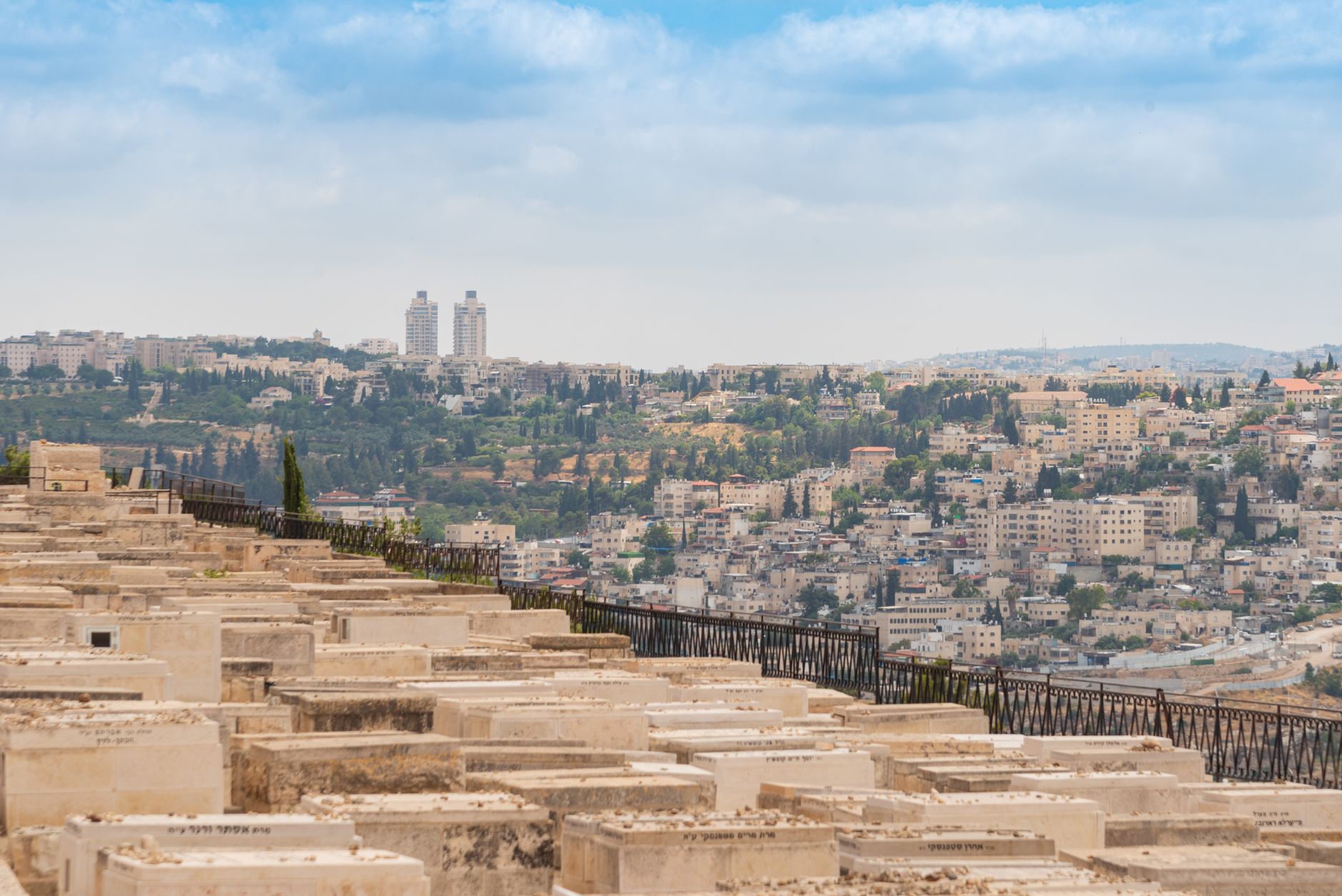
Canaan was the land God promised to Abraham and his descendants, stretching along the eastern Mediterranean coast, and its conquest and settlement under Joshua's leadership forms one of the central narrative arcs of the Old Testament.
Genesis 12:7 records God's promise to Abraham upon his arrival: "unto thy seed will I give this land," a promise repeated and expanded across several later encounters with Abraham, Isaac, and Jacob, despite Abraham himself never owning more than a single burial plot within it.
Jacob's family eventually leaves Canaan for Egypt during a severe famine, and the land remains a distant promise for over four hundred years while their descendants live and eventually become enslaved in Egypt, only returning under Moses' and later Joshua's leadership.
The twelve spies sent by Moses to scout Canaan return with a report confirming the land's fertility, "it floweth with milk and honey," but ten of them focus on the strength of its fortified cities and inhabitants, provoking widespread fear that leads to forty years of additional wilderness wandering.
Under Joshua, Israel finally enters and begins conquering Canaan, beginning with the fall of Jericho, and the book of Joshua records the subsequent division of the land among the twelve tribes, formally establishing Israel's presence in the territory promised so long before.
Canaan's inhabitants practiced religious customs, including child sacrifice and fertility rituals, that Scripture repeatedly condemns, and Israel's ongoing struggle throughout Judges and beyond involves resisting assimilation into these surrounding Canaanite religious practices.
Canaan eventually becomes synonymous with Israel's national homeland throughout the Old Testament, and the phrase "promised land" continues to carry theological weight throughout Scripture, symbolizing God's covenant faithfulness fulfilled across an extended, sometimes difficult span of generations.
3 passages, pulled live from the reader below.