
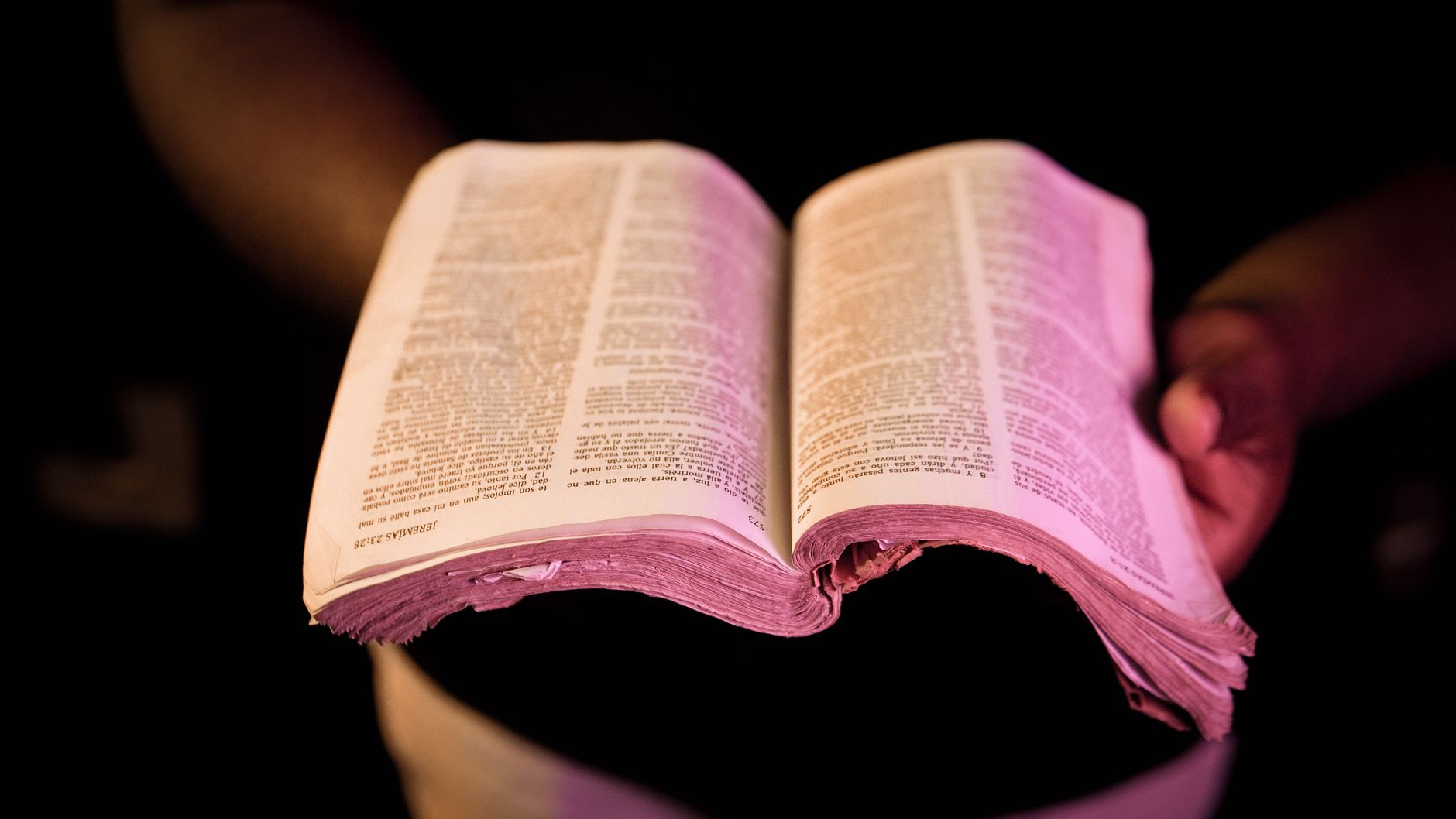
God is the central reality of the Bible. From the opening words of Scripture, “In the beginning God created the heavens and the earth” (Genesis 1:1), the Bible presents God as the Creator of everything that exists. He is not part of creation, nor is He dependent on it. He existed before all things and is the source of life, purpose, and everything good.
The Bible teaches that there is one God. Deuteronomy 6:4 declares, “The LORD our God, the LORD is one.” Christianity also teaches that this one God is revealed as the Father, the Son, and the Holy Spirit. The Father is God, Jesus Christ is God, and the Holy Spirit is God, yet Scripture maintains that God is one. This truth is commonly described as the Trinity.
The Bible reveals God's character through His names, actions, and relationship with humanity. He is holy, meaning He is completely pure and separate from sin. He is righteous and just, always doing what is right. He is also merciful, gracious, patient, and faithful, showing compassion toward His creation and keeping His promises. Exodus 34:6–7 provides one of Scripture's clearest descriptions of God's character, emphasizing His mercy, grace, patience, goodness, truth, and forgiveness.
God is also eternal. He has no beginning or end. Psalm 90:2 describes Him as being God “from everlasting to everlasting.” He is omniscient, meaning that He knows all things; omnipotent, meaning that He is all-powerful; and omnipresent, meaning that His presence is not limited to one location. These qualities demonstrate that God is completely different from His creation and is not limited by human limitations.
One of the most important truths the Bible reveals about God is that God is love (1 John 4:8). God's love is not merely an emotion or an abstract idea. It is demonstrated through His actions, especially in His plan of salvation. Scripture presents God's love as the reason He gave His Son so that those who believe in Him can have eternal life.
At the same time, God's love does not mean that He ignores sin. God is both loving and just. His holiness means that He takes sin seriously, while His mercy provides a way for sinners to receive forgiveness. God's character is perfectly consistent; His love, justice, holiness, mercy, and righteousness all belong to the same God.
Knowing about God is different from actually knowing God. The Bible calls people to respond to Him with faith, love, obedience, worship, and trust. Jesus taught that the greatest commandment is to love God with all our heart, soul, and strength (Deuteronomy 6:4–5).
Understanding who God is changes how we view everything else. When we recognize Him as Creator, we understand that our lives have purpose. When we understand His holiness, we recognize our need for righteousness. When we understand His love and mercy, we can approach Him with confidence. And when we trust His faithfulness, we can continue to follow Him even when we do not understand everything He allows.
Ultimately, the Bible does not present God as merely a distant Creator. He reveals Himself so that people can know Him, love Him, worship Him, and live according to His purposes. The more we understand God's character, the more clearly we understand the message of Scripture and the kind of relationship He desires with His people.
6 passages, pulled live from the reader below.