
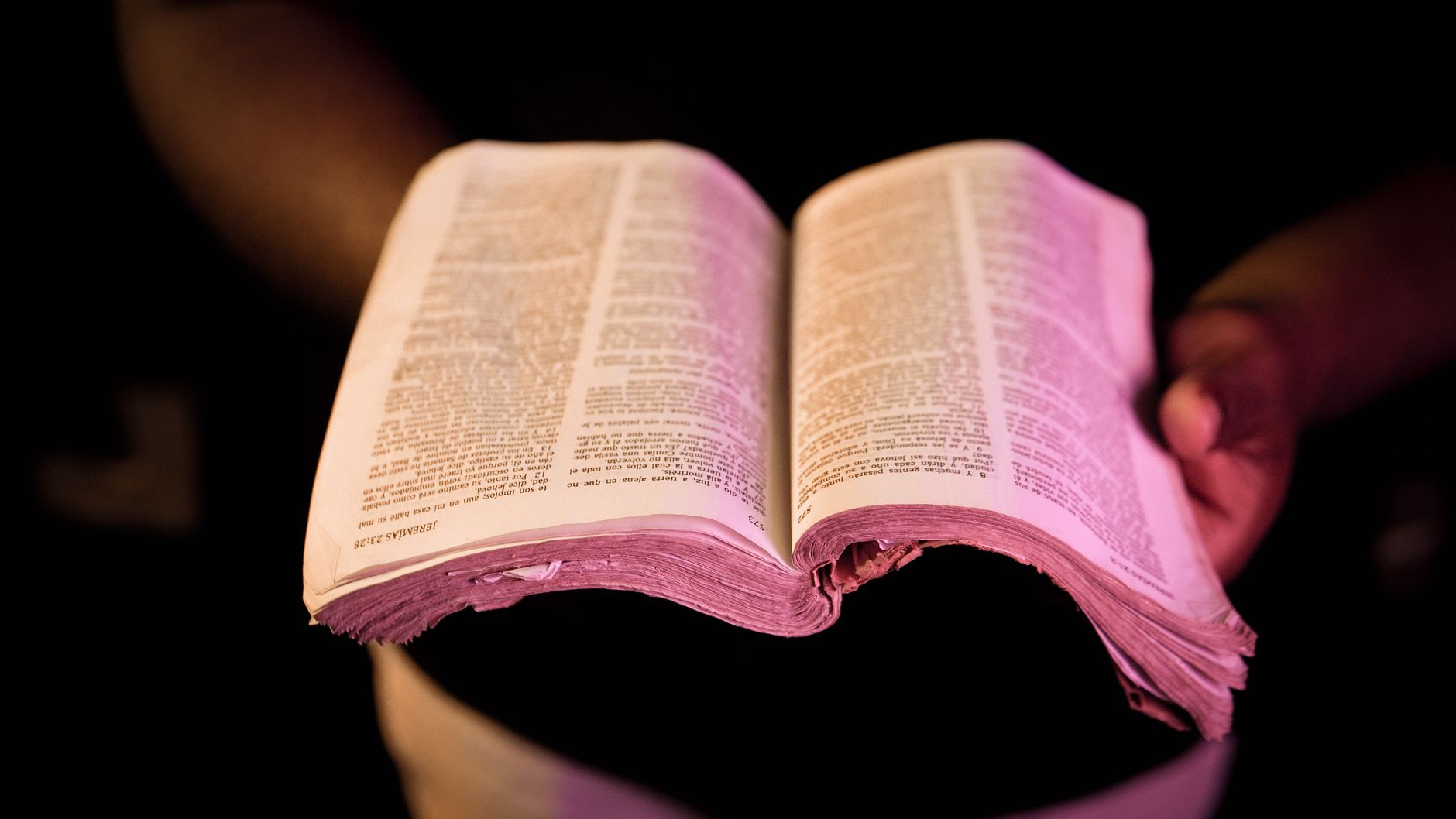
The mercy of God refers to His compassion toward those who deserve judgment, withholding deserved consequence rather than requiring it be paid in full.
Ephesians 2:4-5 describes God as "rich in mercy, for his great love wherewith he loved us, even when we were dead in sins," language that places mercy as active toward people already in a condemned state, not toward those who had first improved their standing.
King David's plea in Psalm 51, written after his sin with Bathsheba and the arranged death of her husband Uriah, is built entirely on an appeal to mercy rather than merit: "Have mercy upon me, O God, according to thy lovingkindness." David does not attempt to minimize his guilt; he simply asks for mercy he cannot claim to deserve.
Psalm 103:8-10 describes God as one who "hath not dealt with us after our sins; nor rewarded us according to our iniquities," explicitly contrasting what mercy provides against what strict justice alone would require.
The parable of the prodigal son pictures mercy relationally: the father runs to meet his returning, wasteful son before any formal apology is even offered, mercy extended proactively rather than reluctantly granted after sufficient groveling.
In practice, receiving God's mercy shapes how believers are called to extend it to others, not grudgingly or with lingering resentment, but freely, following the pattern of mercy they themselves received undeserved.
Titus 3:5 states this directly regarding salvation itself: "Not by works of righteousness which we have done, but according to his mercy he saved us." Mercy, not achievement, is presented as the basis of salvation.
A common misconception treats mercy as incompatible with real justice, assuming a merciful God must simply overlook wrongdoing. Scripture instead shows mercy and justice held together at the cross, where the penalty for sin is genuinely paid, not simply excused, allowing mercy to be extended without justice being abandoned.
Lamentations 3:22-23 describes this mercy as continually renewed: "his compassions fail not. They are new every morning." Mercy is not a one-time event but a daily reality for those who receive it.
4 passages, pulled live from the reader below.