
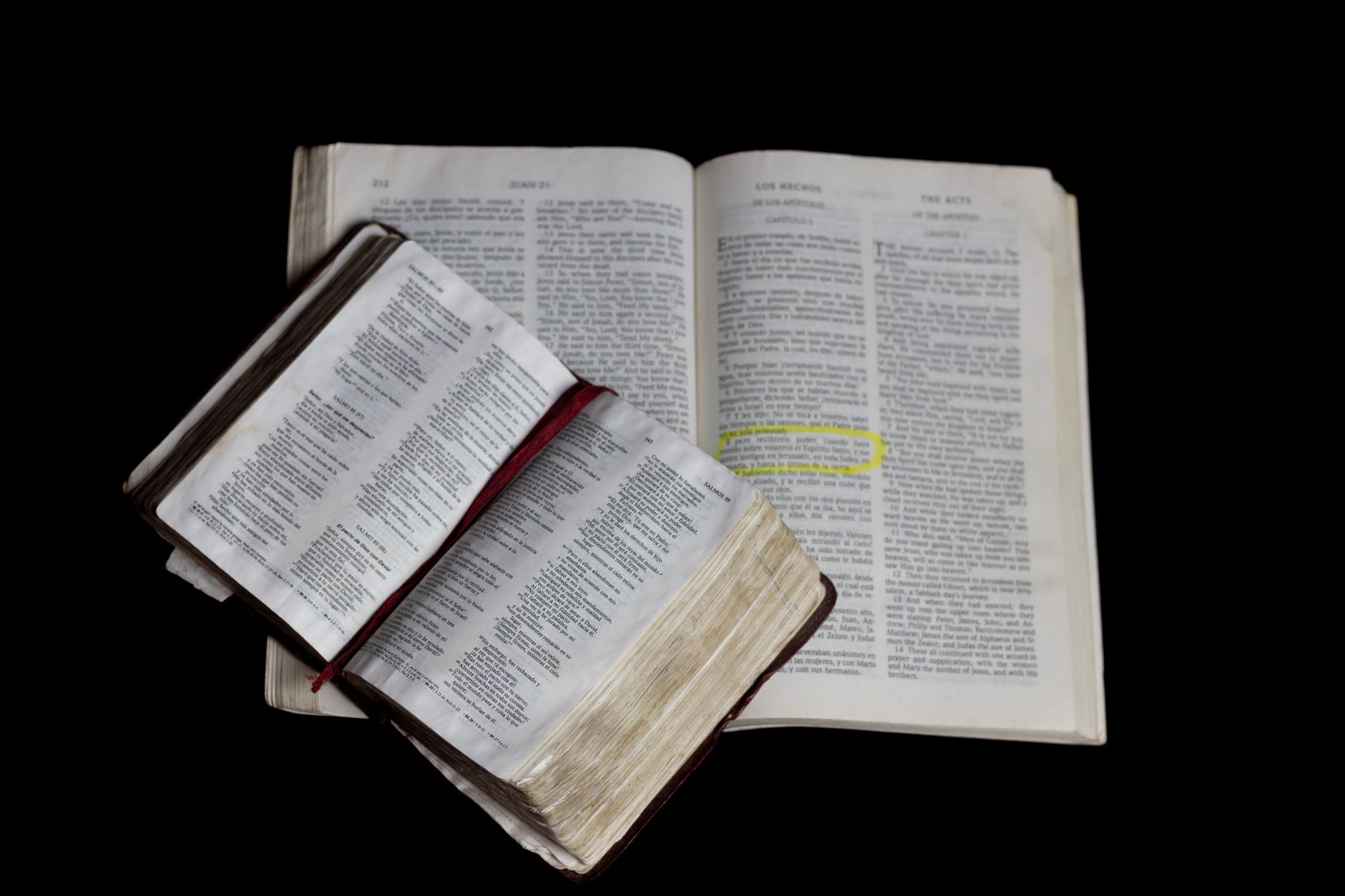
In the biblical worldview perseverance is closely linked to the testing of faith and the development of character. James 1:12 declares, “Blessed is the man who endures temptation, for when he has stood the test he will receive the crown of life which God has promised to those who love Him,” establishing perseverance as a pathway to divine reward. The apostle Paul similarly connects suffering, perseverance, and hope in Romans 5:3‑4: “And not only that, but we also rejoice in our sufferings, knowing that suffering produces perseverance; and perseverance, character; and character, hope.” Both passages suggest that perseverance is not merely endurance of difficulty but a formative process that produces spiritual maturity.
The Old Testament provides an early template for steadfastness that anticipates the New Testament teaching. Deuteronomy 31:6 exhorts Israel, “Be strong and courageous, do not fear nor be dismayed, for the LORD your God, He is the One who goes with you; He will not leave you nor forsake you,” framing perseverance as confidence in God’s continual presence. Isaiah 40:31 reinforces this image: “But those who wait for the LORD will gain new strength; they will mount up with wings like eagles; they will run and not become weary, they will walk and not grow faint.” The psalmist’s prayer in Psalm 27:14, “Wait for the LORD; be strong, and let your heart be courageous; wait for the LORD,” echoes the call to patient endurance while trusting divine timing.
Within the New Testament community, perseverance is presented as the proper posture for the Christian journey. Hebrews 12:1‑3 urges believers, “let us lay aside every weight and also the sin that so easily clings to us, and let us run with perseverance the race that is set before us,” employing the metaphor of a race that requires ongoing effort and focus. The pastoral advice of 2 Thessalonians 3:13, “Do not become idle, but let each one be diligent in his work,” reinforces that perseverance must be active rather than passive, a disciplined labor in the midst of ordinary life.
The practical outworking of perseverance is frequently linked to moral and evangelistic duties. Paul encourages the Galatian church, “And let us not become weary in doing good, for in due time we shall reap, if we do not lose heart” (Galatians 6:9), emphasizing that steadfast service yields ultimate fruit. Philippians 3:14 adds a forward‑looking dimension: “I press on toward the goal for the prize of the upward call of God in Christ Jesus,” suggesting that perseverance is oriented toward eschatological hope. Even in the prophetic vision of Revelation 2:10, believers are told, “Be faithful even unto death, and I will give to you the crown of life,” indicating that perseverance may culminate in martyrdom yet still be rewarded.
The theological discussion surrounding perseverance often pivots on the relationship between divine sovereignty and human response. Romans 8:30 states, “Moreover, those whom He foreknew He also predestined to become conformed to the image of His Son,” a verse frequently cited in debates over whether perseverance is guaranteed for the elect (a view common in Reformed circles) or whether it requires continual cooperative effort (as emphasized in Arminian thought). While the Scripture affirms both God’s sustaining power and the believer’s active responsibility, the precise balance remains a point of scholarly conversation, inviting readers to consider the tension between God’s faithfulness and human perseverance.
6 passages, pulled live from the reader below.