
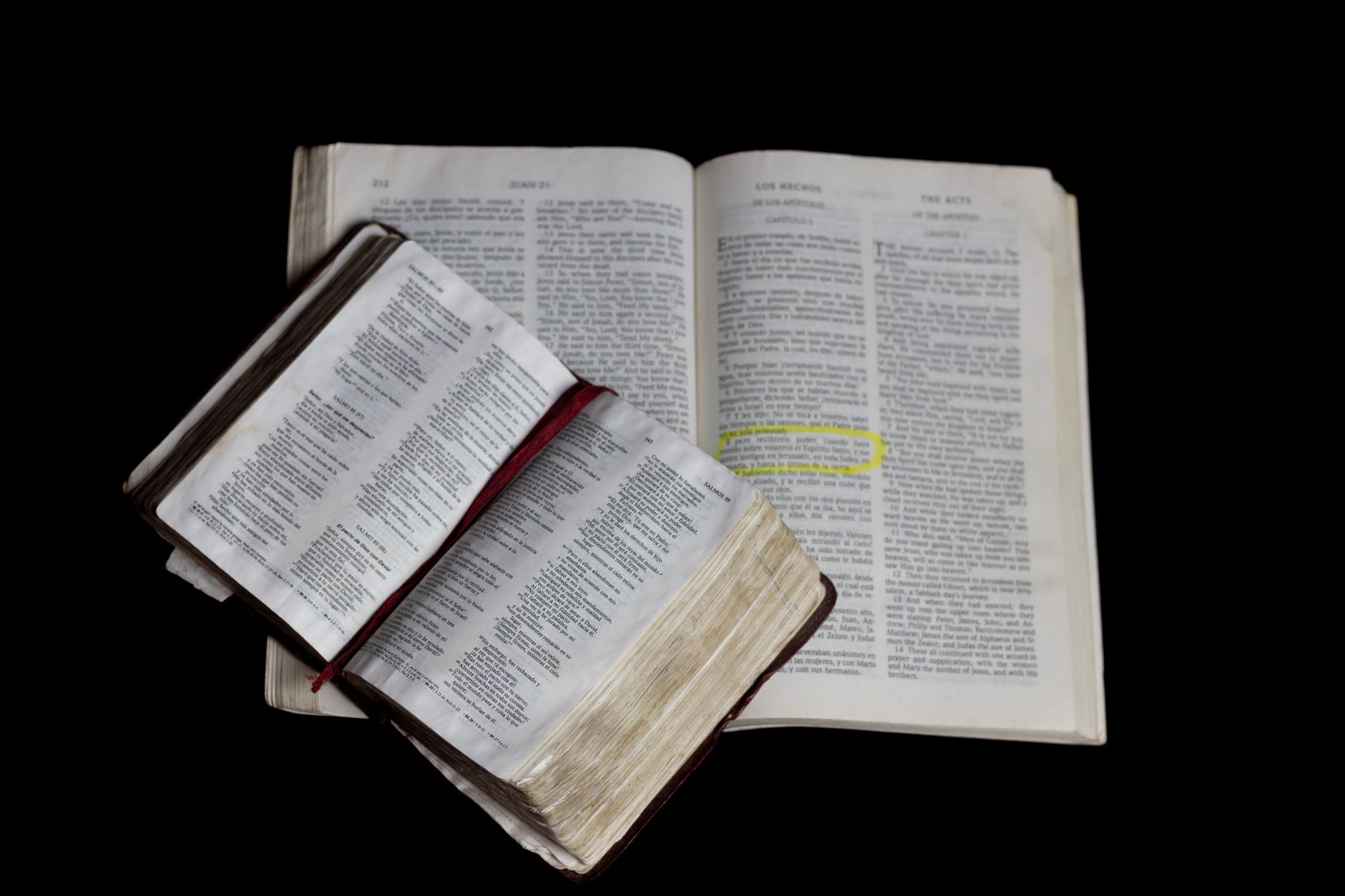
Providence in biblical theology denotes God’s ongoing, purposeful involvement in the world and in the lives of individuals. The New Testament affirms that “in all things God works for the good of those who love him, who have been called according to his purpose” (Romans 8:28), and the Old Testament records Joseph’s reflection that “you intended to harm me, but God intended it for good” (Genesis 50:20). These passages together convey a picture of a divine agent who ordains outcomes toward a benevolent end, even when human motives are contrary.
The biblical witness also emphasizes God’s sovereign governance over creation. Psalm 103:19 declares, “The LORD has established his throne in heaven, and his kingdom rules over all,” underscoring a universal reign that orders history. Proverbs 16:9 adds a personal dimension: “The heart of man plans his way, but the LORD directs his steps,” suggesting that while humans make decisions, the ultimate direction of their paths lies in divine control. This tension between human planning and divine direction is a recurring theme in Scripture.
Providential care for daily needs is illustrated in the Gospels, where Jesus points to nature as a testament to God’s provision. He asks, “Look at the birds of the air; they do not sow or reap or store away in barns, yet your heavenly Father feeds them” (Matthew 6:26). The same teaching continues with the reassurance, “Fear not therefore: ye are of more value than many sparrows” (Matthew 10:31), highlighting a personal concern for each individual’s well‑being. Such texts have been understood as affirming that God supplies material and spiritual sustenance.
The Psalms and prophetic literature present providence as guiding and sustaining the faithful through life’s journey. The beloved image of the shepherd in Psalm 23:1‑4—“The LORD is my shepherd; I shall not want… even though I walk through the valley of the shadow of death, I will fear no evil, for you are with me”—communicates continuous divine presence. Likewise, Jeremiah’s promise, “For I know the plans I have for you, declares the LORD, plans for welfare and not for evil, to give you a future and a hope” (Jeremiah 29:11), reassures the community of a purposeful future under God’s hand.
Interpretations of providence vary within the Christian tradition. Some theologians point to passages such as Ephesians 1:11—“In him we were also chosen… according to the purpose of his will”—to argue for a deterministic view in which every event unfolds according to a pre‑ordained divine plan. Others emphasize the relational aspect found in 1 Peter 5:10, which promises that “the God of all grace… will himself restore you, make you stand firm, strengthen you” after suffering, suggesting that providence works cooperatively with human response. The tension between divine sovereignty and human responsibility remains a vibrant field of scholarly discussion.
6 passages, pulled live from the reader below.