
What Makes Someone a Good Christian Leader?
Exploring biblical qualifications, servant‑hearted character, and spiritual wisdom, this post outlines how Scripture defines a good Christian leader and offers practical illustrations for today’s church.

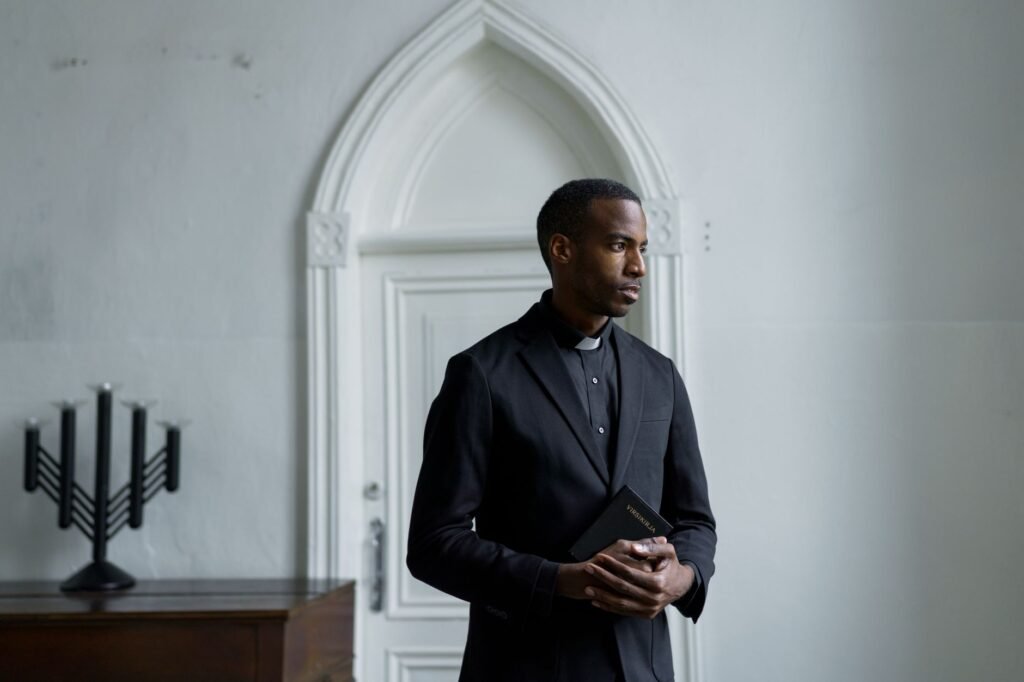
Understanding the Biblical Concept of Leadership
The New Testament presents leadership not as a position of power but as a call to service. Jesus Himself said, “whoever wants to become great among you must be your servant, and whoever wants to be first must be your slave, just as the Son of Man came not to be served but to serve and to give his life a ransom for many” (Matthew 20:26‑28). This foundational truth reframes any discussion of Christian leadership: greatness is measured by willingness to serve, not by authority.
The apostle Paul echoes this in his letter to the Philippians: “Do nothing out of selfish ambition or vain conceit. Rather, in humility value others above yourselves, not looking to your own interests but each of you to the interests of the others” (Philippians 2:3‑4). Thus, a good leader first adopts a posture of humility and relational concern. The biblical model is therefore relational, servant‑oriented, and grounded in the example of Christ.
In practical terms, this means that a church’s leadership structure should reflect a shared responsibility for caring for the flock, not a hierarchical system that privileges status. The early church’s practice of appointing elders (presbyters) and deacons illustrates a community‑wide approach to shepherding (Acts 6:1‑7). Each role was designed to meet a specific need while maintaining the overarching principle of servanthood.
The Servant‑Heart as the Core Qualification
John’s Gospel provides a vivid illustration of the servant‑heart when Jesus washed His disciples’ feet. He declared, “If I then, the Lord and Teacher, have washed your feet, you also ought to wash one another’s feet. For I have given you an example, that you also should do as I have done to you” (John 13:14‑15). This act was more than a cultural gesture; it was a theological statement that leadership involves humbly meeting the needs of others.
Paul’s instruction to the deacons in Philippians further clarifies this. He says, “the deacons must be worthy of respect, sincere, not indulging in much wine, and not greedy for money” (Philippians 1:8). Respectability and sincerity flow from a servant’s heart. A leader who seeks personal gain or prestige quickly departs from the biblical pattern.
Real‑life example: Maria, a youth director at a suburban church, found herself overwhelmed by program logistics, family demands, and personal ministry. Instead of delegating, she tried to control every detail, leading to burnout and strained relationships. After prayerfully revisiting John 13:14‑15, she began to “wash the feet” of her volunteer team, listening to their ideas, sharing responsibilities, and celebrating their contributions. Within months, volunteer turnover decreased, and the youth program flourished, demonstrating how a servant‑heart transforms leadership effectiveness.
Reliance on the Holy Spirit for Wisdom and Guidance
Christian leaders are not autonomous strategists; they are dependent on divine wisdom. James advises, “If any of you lacks wisdom, let him ask God, who gives to all liberally and without reproach, and it will be given to him” (James 1:5). This promise assures that leaders who seek God’s counsel will receive the insight needed for decision‑making.
The Psalms affirm the necessity of trusting God’s direction: “Trust in the LORD with all your heart, and do not lean on your own understanding. In all your ways acknowledge Him, and He will make straight your paths” (Proverbs 3:5‑6). A good leader therefore balances thoughtful planning with a posture of dependence on the Spirit.
Consider the case of Pastor Elijah, who was tasked with planting a new congregation in a culturally diverse urban neighborhood. Instead of relying solely on his own experience, he organized regular prayer meetings, sought counsel from the Holy Spirit through fasting, and consulted mature believers. Over two years, the church grew from a handful of families to a vibrant multicultural fellowship, illustrating how Spirit‑led wisdom leads to fruitful outcomes.
Integrity and Truthfulness in All Conduct
Integrity is repeatedly highlighted as essential for those in authority. The apostle Peter exhorts, “Shepherd the flock of God that is among you, serving as overseers, not because you must, but willingly, as God wants it; not for sordid gain, but eagerly; not domineering over those entrusted to you…” (1 Peter 5:2‑3). The phrase “not for sordid gain” underscores that personal profit must never motivate leadership.
Paul’s letter to Timothy provides a concrete list of moral standards for overseers: “If anyone aspires to the office of overseer, he desires a noble task… He must be above reproach, the husband of one wife, temperate, sensible, respectable, hospitable, able to teach… not a drunkard, not violent but gentle, not a lover of money” (1 Timothy 3:1‑7). Each characteristic points directly to integrity, faithfulness in marriage, sobriety, gentle demeanor, and freedom from avarice.
In a practical scenario, Jonathan, a longtime church treasurer, discovered an accounting error that could have been concealed to protect his reputation. Remembering 1 Timothy 3:7, he reported the mistake to the board, corrected the books, and implemented stricter financial controls. His honesty preserved the church’s trust and set a powerful example for younger leaders.
Humility as the Mark of True Authority
Humility is a recurring biblical theme for leaders. Paul writes, “Do nothing out of selfish ambition or vain conceit. Rather, in humility value others above yourselves” (Philippians 2:3‑4). Humility is not self‑deprecation; it is a realistic assessment of one’s dependence on God and others.
The Old Testament prophet Samuel models humility when he says, “I am a child, and do not yet have the knowledge of the ways of the LORD” (1 Samuel 3:7). Even as a prophet, Samuel recognized his limited understanding and sought God’s direction.
Practical illustration: Karen, a newly appointed associate pastor, faced criticism for her preaching style. Rather than defending herself, she approached her senior pastor, asked for constructive feedback, and attended a preaching workshop. Her humility allowed her to grow, and the congregation soon appreciated the fresh perspective she brought.
Visionary Discernment Rooted in Scripture
A good Christian leader must cast a vision that aligns with God’s redemptive mission. The apostle Paul exhorts, “Let the word of Christ dwell in you richly… be equipped for every good work” (Colossians 3:16). This implies that vision emerges from deep immersion in Scripture.
Ephesians highlights the diversity of gifts for building the body: “He gave some to be apostles, some to be prophets, some to be evangelists, some to be pastors and teachers, to equip the saints for the work of ministry” (Ephesians 4:11‑12). Leaders must discern how their gifts intersect with the broader mission.
Illustrative case: A small rural church sensed a decline in youth attendance. After prayerful study of Psalm seventy‑four:7, “For the LORD has created a new thing; it is already in process; do you not perceive it?”, the pastor proposed a mentorship program pairing elders with teens. The program revitalized intergenerational relationships and halted the decline, demonstrating scripturally grounded vision in action.
Love and Compassion as Leadership Motivators
Jesus summarized the law with love: “You shall love the LORD your God with all your heart… and you shall love your neighbor as yourself” (Matthew twenty‑twenty two:37‑39). Love, therefore, is the engine behind all Christian leadership.
1 John emphasizes that “whoever says he loves God must also love his brother” (1 John 4:21). A leader who fails to exhibit genuine compassion contradicts the very heart of the gospel.
Consider the story of a prison ministry coordinator, David, who visited inmates weekly, offering not only Bible study but also practical assistance, helping them write letters to families and locate job opportunities upon release. His love for the marginalized reflected the biblical mandate to care for the least of these (Matthew twenty‑twenty seven:37).
Faithfulness Through Trials and Persecution
The New Testament repeatedly calls leaders to persevere. Peter reminds believers, “Be sober, be vigilant… that you may be able to endure all that is coming, and that after you have fulfilled your purpose, you will have an inheritance” (1 Peter 5:8‑9). Faithful endurance is a hallmark of godly leadership.
Hebrews urges, “Obey your leaders and submit to them, for they keep watch over your souls, as those who will give an account” (Hebrews 13:17). This mutual responsibility demands that leaders remain steadfast, especially when circumstances are difficult.
A contemporary example: When a local church faced a hostile zoning decision that threatened its building, the senior pastor, Linda, led the congregation in prayer, organized peaceful protests, and engaged legal counsel. Despite the stress, she maintained a calm, hopeful demeanor, embodying the perseverance encouraged in scripture. The church ultimately secured a compromise that allowed continued worship, showing that faithful leadership can navigate adversity.
Teaching and Equipping Others for Ministry
Paul’s instruction to Timothy encapsulates the multiplier effect of leadership: “And the things you have heard from me in the presence of many witnesses, commit them to trustworthy men who will also be able to teach others” (2 Timothy 2:2). Effective leaders do not hoard knowledge; they disciple future leaders.
Jesus modeled this when He sent out the twelve: “Go therefore and make disciples of all nations” (Matthew twenty‑twenty eight:19). The Great Commission includes training believers to become teachers and evangelists.
Real‑world illustration: A small church’s music director, Aaron, recognized a lack of worship leaders. He began a weekly training series, paired seasoned musicians with novices, and provided resources on worship theology. Within a year, three new worship leaders emerged, expanding the church’s worship ministry and illustrating the biblical principle of equipping others.
Closing Reflection: The Ongoing Journey of Christ‑Like Leadership
Being a good Christian leader is not a static title but a continual process of aligning one’s heart and actions with the pattern set by Christ. It involves a servant‑hearted attitude, reliance on the Holy Spirit, unwavering integrity, humility, scripturally grounded vision, love, perseverance, and a commitment to equip others. As Paul encourages the Corinthians, “If anyone thinks he is a leader, let him think of himself as a servant” (Matthew twenty‑twenty one:26).
Each of these qualities is cultivated through daily prayer, diligent study of Scripture, and the accountability of the community of believers. The journey is marked by moments of triumph and seasons of trial, yet the promise remains: “Well done, good and faithful servant” (Matthew twenty‑twenty five:21) will be spoken to those who faithfully steward the responsibilities entrusted to them.
For those seeking further biblical insight on leadership principles, the resources at Got Questions provide thoughtful articles that explore these themes in depth.
Keep Exploring Scripture
Continue your Bible study with our collection of Scripture tools, topics, people, places, and study resources.
Explore Bible Study ToolsYou May Also Like

Applying the Parable of the Talents to Today’s Career Decisions
Discover how the timeless lesson of the talents can shape wise, faithful, and purposeful…

What Does the Bible Say About Managing Money and Generosity in Modern Times?
Exploring biblical principles of stewardship, wise spending, and generous giving, this article shows how…

How Should Christians Respond to Political Propaganda?
Navigating modern political propaganda demands biblical wisdom, discernment, and a heart anchored in truth.…

Why Do Conspiracy Theories Spread Among Christians?
An exploration of the biblical, psychological, and cultural factors that make believers vulnerable to…

Why Are Christians Vulnerable to Conspiracy Theories?
Exploring the biblical roots of our desire for hidden explanations, this article examines why…

Should Christians Speak About Issues They Have Not Personally Experienced?
Exploring biblical wisdom, Scripture examples, and practical guidance, this article considers when and how…
Join the Conversation