
What Does It Mean to Be Strong in the Lord?
Discover what it truly means to be strong in the Lord through Scripture and practical application in daily life.


Key Takeaways
- Strength in the Lord is rooted in faith and trust.
- Being strong involves prayer, Scripture, and community.
- Strength manifests in resilience against challenges.
- The Lord's strength empowers us to serve others.
What Does It Mean to Be Strong in the Lord?
To be strong in the Lord means to rely on His power and strength rather than our own. This involves deepening our faith, engaging in prayer, and immersing ourselves in Scripture, as highlighted in Ephesians 6:10, which states, “Finally, be strong in the Lord and in the strength of his might.”
Understanding what it means to be strong in the Lord is crucial for every believer. It is not merely about physical prowess or mental fortitude, but rather about drawing on the spiritual resources God provides. This strength is essential for navigating life’s challenges, responding to adversity, and fulfilling our God-given purposes.
In this exploration, we will investigate the biblical foundation of strength in the Lord, practical ways to cultivate this strength, and how it can manifest in our daily lives.
The Biblical Foundation of Strength
The concept of being strong in the Lord is deeply embedded in Scripture. It starts with recognizing that our strength comes from God, not ourselves. In Psalm 28:7, it is written, “The Lord is my strength and my shield; in him my heart trusts, and I am helped; my heart exults, and with my song I give thanks to him.” This verse emphasizes the relationship between trust and strength.
Furthermore, Isaiah 40:29 reminds us, “He gives power to the faint, and to him who has no might he increases strength.” This assurance illustrates that God’s strength is available to those who feel weak or overwhelmed. It is a call to rely on Him during times of struggle.
Throughout the Bible, we see various figures who exemplified strength through their faith in God, Moses leading the Israelites, David facing Goliath, and Paul enduring persecution. Their stories illustrate that true strength is not the absence of fear or weakness but the courage to act in faith despite these feelings.
Practical Steps to Be Strong in the Lord
To cultivate strength in the Lord, believers can adopt several practical steps:
- Engage in Regular Prayer: Communication with God is vital. Prayer allows us to express our needs, seek guidance, and receive comfort. Philippians 4:6-7 encourages us to pray about everything, leading to peace that surpasses understanding.
- Immerse in Scripture: Reading and meditating on the Bible equips us with wisdom and understanding. Psalm 119:11 states, “I have stored up your word in my heart, that I might not sin against you.” The Word strengthens us against temptation and doubt.
- Seek Fellowship: Community plays a significant role in our spiritual strength. Hebrews 10:24-25 urges believers to consider how to stir one another to love and good works, not neglecting to meet together. Fellowship provides encouragement and accountability.
Consider a typical situation where someone is facing a job loss. In this difficult moment, engaging in prayer can provide peace, immersing in Scripture can offer reassurance, and seeking community support can foster encouragement. Each of these actions contributes to being strong in the Lord.

The Role of Faith in Strength
Faith is the cornerstone of being strong in the Lord. Ephesians 6:16 highlights, “In all circumstances take up the shield of faith, with which you can extinguish all the flaming darts of the evil one.” This verse illustrates how faith acts as a protective barrier against spiritual attacks.
Furthermore, James 1:2-3 teaches us to count it all joy when we face trials, as these challenges produce steadfastness. This perspective shift allows us to view difficulties as opportunities for growth, enhancing our strength in the Lord.
Strength in faith also involves trusting God’s timing and plans. Proverbs 3:5-6 instructs us to trust in the Lord with all our heart and lean not on our own understanding. This trust fosters resilience, enabling us to face uncertainties with confidence.
Strength in Adversity
Strength in the Lord is particularly evident during times of adversity. Romans 5:3-5 teaches that suffering produces endurance, character, and hope. This progression shows how God uses challenging circumstances to strengthen our faith.
Moreover, 2 Corinthians 12:9 provides insight into how God’s grace is sufficient in our weakness. Paul states, “My grace is sufficient for you, for my power is made perfect in weakness.” This acknowledgment of our limitations allows God’s strength to shine through us.
When facing difficulties, we may feel like giving up. However, drawing on God’s strength equips us to persevere. Imagine someone like John, who lost his home in a natural disaster. Rather than succumbing to despair, John could turn to prayer, rely on Scripture, and seek help from his church community, demonstrating strength that comes from the Lord.
The Impact of Being Strong in the Lord
The impact of being strong in the Lord extends beyond ourselves. When we exhibit strength through our faith, it inspires others. Philippians 4:13 declares, “I can do all things through him who strengthens me.” This verse not only emphasizes personal empowerment but also serves as a testimony to those around us.
Being strong in the Lord allows us to serve others effectively. Galatians 6:2 instructs us to bear one another’s burdens, fulfilling the law of Christ. Our strength can uplift those who are struggling, creating a ripple effect of encouragement and hope.
Additionally, when we are strong in the Lord, we are better equipped to share the Gospel. Our lives reflect God’s strength, drawing others to Him. Matthew 5:16 reminds us that our good works shine before others, bringing glory to our Father in heaven.
Finding Strength in Worship
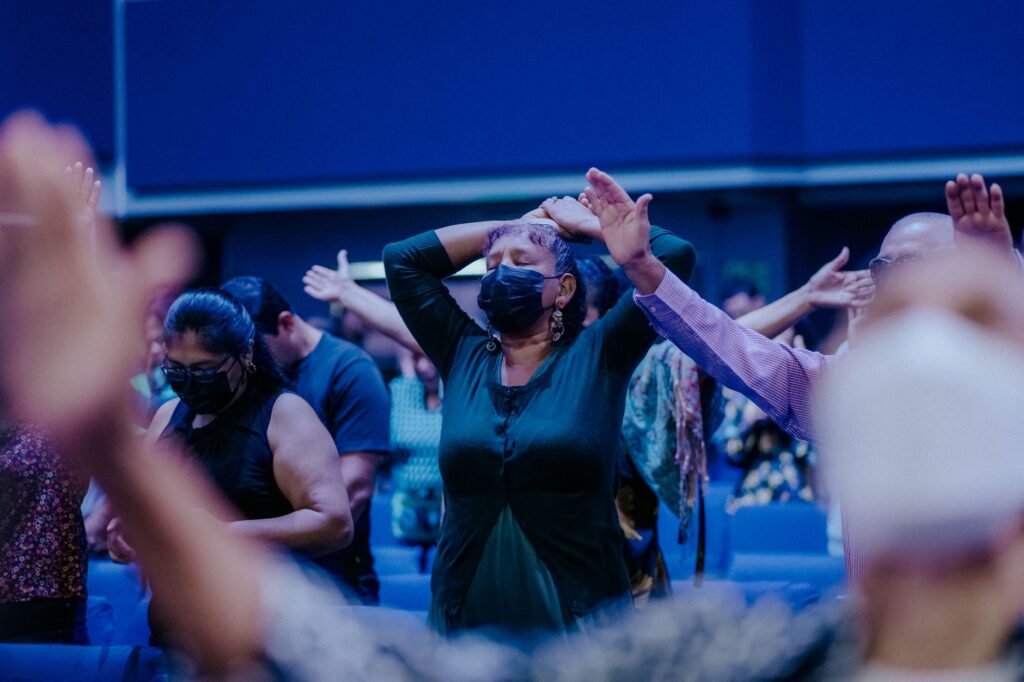
Worship is another essential avenue for finding strength in the Lord. Psalm 95:1-2 invites us to come into His presence with thanksgiving and praise. Worship shifts our focus from our problems to God’s greatness, renewing our strength.
Corporate worship can be particularly powerful. When believers gather in worship, they encourage one another and build each other up. Colossians 3:16 encourages us to teach and admonish one another in all wisdom, singing psalms, hymns, and spiritual songs.
Consider a scenario where a church community comes together to worship during a time of crisis. The collective strength found in worship can provide comfort, unity, and encouragement, reinforcing the truth that we are never alone in our struggles.

The Community of Strength
Strength in Fellowship
Being strong in the Lord is not solely an individual endeavor; it is profoundly communal. The Bible emphasizes the importance of fellowship among believers. In Hebrews 10:24-25, we are reminded to encourage one another and not give up meeting together. Fellowship strengthens us in our walk with God and provides accountability.
- Encouragement: Sharing struggles and victories fosters mutual support.
- Accountability: Holding each other accountable leads to spiritual growth.
- Prayer: Collective prayer amplifies our strength as we intercede for one another.
When we come together in worship and community, we reflect the body of Christ. In 1 Corinthians 12:12-27, Paul illustrates how each member of the body is vital for its overall health and strength. This interconnectedness means that we draw strength from one another, making our collective faith robust.
Caring for One Another
The act of caring for fellow believers is a tangible expression of strength in the Lord. In Galatians 6:2, we are instructed to bear one another’s burdens. This not only lightens the load of our brothers and sisters but also reinforces our own faith. When we help others, we experience God’s strength flowing through us.
- Acts of service: Simple acts of kindness can make a significant impact.
- Listening: Providing a listening ear can be a source of great comfort.
- Encouragement: Verbal affirmations uplift and inspire.
Moreover, caring for others cultivates a spirit of humility and reminds us that we are all in need of God’s grace. In doing so, we reflect Christ’s love and strength to those around us.
Strength Through Scripture
The Power of God’s Word
The Scriptures are pivotal in understanding and accessing the strength of the Lord. In 2 Timothy 3:16-17, we learn that all Scripture is God-breathed and useful for teaching, rebuking, correcting, and training in righteousness. Engaging with the Word of God equips us with the wisdom and fortitude needed for our spiritual battles.
- Daily reading: Establish a habit of reading Scripture daily.
- Meditation: Reflect on verses to understand deeper meanings.
- Memorization: Commit key verses to memory for encouragement.
By immersing ourselves in God’s Word, we not only gain knowledge but also cultivate a strength that comes from internalizing His promises and truths. The Psalms, in particular, are a rich source of encouragement and strength, reminding us of God’s faithfulness in times of trouble.
Applying Scripture in Daily Life
Understanding Scripture is one thing; applying it is another. In James 1:22, we are admonished to be doers of the Word, not merely hearers. This application of biblical principles leads to spiritual strength as we align our actions with God’s instructions.
- Live out the teachings: Integrate biblical principles into everyday decisions.
- Seek wisdom: Pray for understanding in applying Scripture.
- Share insights: Discuss how Scripture influences your life with others.
When we actively live out the Word, we demonstrate our reliance on God’s strength, allowing it to manifest in our lives and influence those around us.
Strength in Prayer
The Role of Prayer in Building Strength
Prayer is a vital channel through which we draw strength from the Lord. In Philippians 4:6-7, Paul encourages us not to be anxious but to present our requests to God. This act of laying our burdens before Him not only relieves stress but also fortifies our spirits.
- Consistency: Make prayer a regular part of your day.
- Focused prayer: Set aside time for specific prayer needs.
- Listening: Allow time for God to speak to you in prayer.
Through prayer, we cultivate a relationship with God that strengthens our faith. It is in these intimate moments that we often receive clarity, peace, and renewed strength to face life’s challenges.
Corporate Prayer and Its Impact
Gathering in prayer with others amplifies our strength. In Matthew 18:20, Jesus assures us that where two or three gather in His name, He is present. This collective prayer not only strengthens the individuals involved but also the community as a whole.
- Prayer groups: Join or form a prayer group for mutual support.
- Church prayer meetings: Attend gatherings focused on intercessory prayer.
- Prayer chains: Establish networks for urgent prayer requests.
Engaging in corporate prayer fosters unity and reinforces the strength of the Lord within the body of Christ, enhancing our ability to overcome obstacles together.
The Armor of God: A Source of Strength
Understanding the Armor
The Apostle Paul provides a vivid illustration of spiritual strength through the metaphor of the armor of God in Ephesians 6:10-18. This armor represents the various components of faith that believers must don to withstand spiritual battles. Each piece serves a unique purpose: the belt of truth, the breastplate of righteousness, the gospel of peace as shoes, the shield of faith, the helmet of salvation, and the sword of the Spirit, which is the Word of God.
Equipping Ourselves
To be strong in the Lord, we must actively equip ourselves with this armor. This means immersing ourselves in God’s Word, praying consistently, and living out our faith daily. Here are some steps to consider:
- Study Scripture to understand the truth.
- Practice righteousness in your actions and thoughts.
- Share the gospel with others to spread peace.
- Trust in God for protection and strength.
- Engage in prayer to strengthen your relationship with God.
The Role of Community
Wearing the armor of God is not solely an individual endeavor. The Christian community plays a crucial role in helping believers remain strong. In Hebrews 10:24-25, we are encouraged to spur one another on toward love and good deeds, highlighting the importance of fellowship in our spiritual journey.
Strength Through Trials
The Purpose of Trials
James 1:2-4 reminds us that trials are not merely obstacles; they are opportunities for growth and maturity in our faith. When we face challenges, we learn to depend on God’s strength rather than our own. This reliance builds resilience and deepens our relationship with the Lord.
Enduring Faith
In Romans 5:3-5, Paul explains that suffering produces perseverance, character, and hope. This progression teaches us that enduring trials with faith leads to spiritual strength. We are reminded that God’s love has been poured into our hearts through the Holy Spirit, which empowers us to endure.
Examples from Scripture
Biblical figures such as Job and Joseph exemplify strength in trials. Job lost everything yet maintained his faith, declaring, “Though he slay me, yet will I hope in him” (Job 13:15). Joseph faced betrayal and imprisonment, but he trusted God’s plan and rose to power in Egypt. These accounts inspire us to remain steadfast in our own trials.
The Power of the Holy Spirit
His Role in Strength
The Holy Spirit is our helper, as described in John 14:26. He provides the strength we need to live out our faith and face challenges. Believers are called to walk in the Spirit (Galatians 5:16), which empowers them to overcome sin and adversity.
Living by the Spirit
How can we live by the Spirit? It requires a conscious effort to submit to His guidance and promptings. Regular prayer and meditation on Scripture help attune our hearts to His voice. Here are practical ways to cultivate this relationship:
- Seek the Holy Spirit through prayer.
- Listen for His guidance in daily decisions.
- Practice obedience to His leading.
- Engage in community worship where the Spirit is present.
The Fruits of the Spirit
As we strengthen our connection with the Holy Spirit, we begin to exhibit the fruits of the Spirit outlined in Galatians 5:22-23: love, joy, peace, forbearance, kindness, goodness, faithfulness, gentleness, and self-control. These qualities not only reflect our strength in the Lord but also serve as a testimony to others, revealing the transformative power of God in our lives.
Frequently Asked Questions
What does it mean to be strong in the Lord?
Being strong in the Lord means relying on His power and strength, especially during challenges. It involves faith, prayer, and immersing oneself in Scripture.
How can I cultivate strength in my daily life?
Cultivating strength involves regular prayer, reading the Bible, and seeking fellowship with other believers. These practices build spiritual resilience.
Is strength in the Lord only for difficult times?
No, strength in the Lord is beneficial in all circumstances. It equips believers to face challenges and empowers them to serve others and share their faith.
How does faith contribute to being strong in the Lord?
Faith acts as a protective barrier and a source of resilience. Trusting in God’s plans and timing helps believers navigate life’s uncertainties with confidence.
The Bottom Line
Being strong in the Lord is about relying on His strength through faith, prayer, and Scripture. It equips us to face life’s challenges, encourages others, and empowers us to serve our communities. Ultimately, strength in the Lord transforms our lives and the lives of those around us.
For further study on this topic, iBible Answers is a helpful resource: https://ibibleanswers.com/
Keep Exploring Scripture
Continue your Bible study with our collection of Scripture tools, topics, people, places, and study resources.
Explore Bible Study ToolsYou May Also Like

What Does the Bible Say About Being Strong?
Discover what the Bible says about being strong, including key verses and practical insights…

How Can God Give Me Strength?
Discover how God gives strength through prayer, Scripture, community, and His Spirit, empowering you…

How Can I Overcome Discouragement?
Discover practical steps to overcome discouragement through faith, prayer, community support, and God’s promises.

What Does the Bible Say About Discouragement?
Discover what the Bible says about discouragement and find encouragement in Scripture to overcome…

How Can I Know God Is With Me When I’m Lonely?
Discover how to find God's presence during lonely times with scriptural insights and practical…

How Can Christians Handle Stress?
Discover practical ways Christians can handle stress through faith, prayer, and community support, grounded…
Join the Conversation