
How to Study the Book of Psalms: A Guide to the Prayerbook of the Bible
Discover how to interpret the poetic structure, historical context, and rich theological genres of the Psalms to transform your personal study and prayer life.

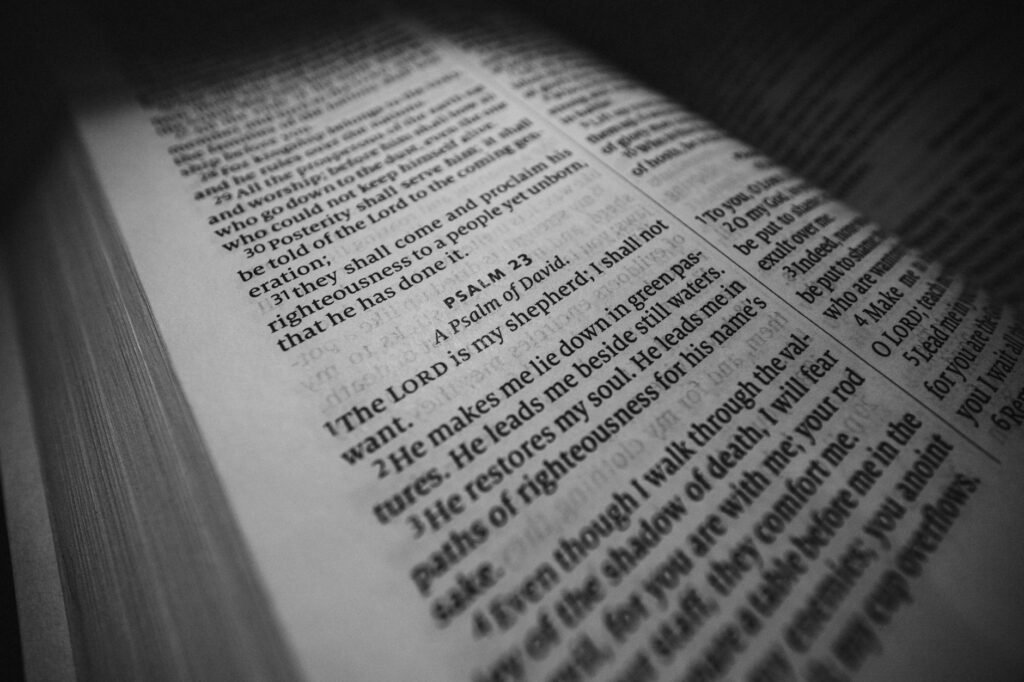
Understanding the Architecture of Hebrew Poetry
Many readers open the Book of Psalms expecting to find Western verse—structured by end-rhymes, strict syllabic meter, and rigid stanzas. Instead, the Hebrew text operates primarily on an art form known as parallelism. In Hebrew poetry, ideas rhyme rather than sounds. The poet makes a statement in the first line and then balances, amplifies, contrasts, or completes that thought in the second line. Recognizing these patterns is the essential first step to faithful interpretation.
The most common forms of parallelism include synonymous, antithetic, and synthetic structures. In synonymous parallelism, the second line repeats the essential thought of the first using different vocabulary, as seen in Psalm 19:1: “The heavens declare the glory of God; and the firmament sheweth his handywork.” In antithetic parallelism, the second line contrasts with the first to sharpen the truth, as in Psalm 1:6: “For the LORD knoweth the way of the righteous: but the way of the ungodly shall perish.” Synthetic parallelism builds upon the initial premise, carrying the thought forward to a climax. When studying any individual psalm, begin by diagramming the lines to see how the poet uses parallelism to emphasize theological truth.
To examine the original Hebrew wording, word repetitions, and literary structures beneath the English translation, study resources like Blue Letter Bible offer helpful interlinear tools that reveal key terms, such as the recurring covenant word hesed (steadfast love).
Classifying the Major Literary Genres
The 150 compositions in the Psalter are not uniform; they encompass various genres, each with distinct conventions, emotional postures, and communicative goals. Misidentifying the genre of a psalm often leads to misinterpreting its pastoral aim. Interpreters widely recognize several primary categories:
Laments: Making up roughly a third of the Psalter, individual and communal laments give voice to human suffering, sorrow, and confusion. They typically follow a predictable movement: an address to God, a raw complaint, an expression of trust, a plea for deliverance, and a concluding vow of praise. Psalm 13 provides a classic individual lament, moving from the aching question “How long wilt thou forget me, O LORD?” in verse 1 to the confident declaration “I will sing unto the LORD, because he hath dealt bountifully with me” in verse 6.
Hymns of Praise: These psalms focus on the character and works of God in creation, redemption, and providence. Psalm 103 and Psalm 145 are prime examples, calling the reader to magnify God’s majesty and goodness.
Thanksgiving Psalms: Unlike general hymns of praise, thanksgiving psalms respond to a specific historical deliverance that God has already provided. Psalm 30, for instance, celebrates rescue from mortal peril: “O LORD my God, I cried unto thee, and thou hast healed me” (Psalm 30:2).
Wisdom and Torah Psalms: Psalms such as Psalm 1, Psalm 19, and Psalm 119 teach the reader how to navigate life in the fear of the Lord, presenting the Law of God as a source of delight, guidance, and life.
Royal and Messianic Psalms: Psalms like Psalm 2, Psalm 72, and Psalm 110 focus on the Davidic king as God’s anointed ruler, pointing forward typologically to the ultimate reign of Jesus Christ.
Recognizing the Five-Book Canonical Structure
The Book of Psalms is not a random anthology assembled without editorial purpose. The final arrangement of the Psalter mirrors the five books of the Torah (Genesis through Deuteronomy), divided into five distinct collections:
Book I (Psalms 1 through 41) is heavily dominated by personal prayers of David, focusing on conflict, integrity, and trust. Book II (Psalms 42 through 72) widens the scope to include the Sons of Korah and Asaph, ending with Solomon’s prayer for the king. Book III (Psalms 73 through 89) grapples with national crisis, exile, and the apparent failure of the Davidic covenant. Book IV (Psalms 90 through 106) answers that crisis by looking back to Moses (Psalm 90) and declaring that the Lord reigns as eternal King over all nations. Book V (Psalms 107 through 150) celebrates the return from exile, the gathering of God’s people, and reaches a crescendo of praise.
Each of the first four books concludes with a formal doxology (such as Psalm 41:13: “Blessed be the LORD God of Israel from everlasting, and to everlasting. Amen, and Amen”), while the entire fifth book culminates in five uninterrupted hallelujah psalms (Psalms 146 through 150). Reading a psalm within its immediate neighborhood and within this broader five-book trajectory enriches our understanding of the editor’s theological design.
Connecting Ancient Context to Modern Experience
Consider Elena, a hospital chaplain who experienced severe emotional burnout and personal grief after months of counseling grieving families. Opening her Bible in the early morning, she often found herself unable to pray the upbeat, tidy prayers she thought God expected. She felt guilty for her exhaustion and anger.
When Elena turned to Psalm 88, she discovered a prayer that ends in complete darkness without an immediate resolution: “Lover and friend hast thou put far from me, and mine acquaintance into darkness” (Psalm 88:18). By studying the historical context of the author, Heman the Ezrahite, and the divine inclusion of this raw lament in sacred Scripture, Elena realized that God welcomes candid, unpolished sorrow. The Psalms gave her a vocabulary for her suffering that preserved her faith rather than dismantling it.
When studying any psalm, ask: What was the original crisis or celebration behind this text? How does the psalmist channel emotional reality toward the character of God? And how does that dynamic speak directly to the pressures, fears, or celebrations we face in our contemporary lives?
Reading the Psalms Through a Christ-Centered Lens
For Christian readers, studying the Psalms requires looking beyond the historical author to the ultimate fulfillment in Jesus Christ. After His resurrection, Jesus explicitly taught His disciples on the Emmaus road that the Psalter pointed directly to His life, death, and resurrection: “All things must be fulfilled, which were written in the law of Moses, and in the prophets, and in the psalms, concerning me” (Luke 24:44).
Christ fulfills the Psalms in multiple ways. In prophetic passages like Psalm 110:1 (“The LORD said unto my Lord, Sit thou at my right hand, until I make thine enemies thy footstool”), the text looks forward to the exalted Messiah. In experiential passages like Psalm 22:1 (“My God, my God, why hast thou forsaken me?”), Jesus adopted the exact words of David while suffering on the cross. Furthermore, because Jesus lived the only life of perfect obedience, He is the ultimate “blessed man” of Psalm 1:1-2 who meditates on the law day and night. When we read the Psalms, we hear both the voice of Christ praying on behalf of His body, the Church, and the voice of the Church praying through Christ.
Moving from Analytical Study to Daily Prayer
The Book of Psalms was never intended to remain purely an object of historical analysis or grammatical dissection. It is the inspired prayerbook of God’s people. To study the Psalms properly is to allow them to reform our own devotional life.
Begin by reading a psalm aloud several times. Mark the parallel lines, identify the genre, and observe the movement of the author’s thoughts from complaint to praise or from meditation to proclamation. Then, turn the psalm into your own prayer. Borrow its vocabulary to express your gratitude, articulate your hidden griefs, and calibrate your desires to the holiness of God. In doing so, you join countless generations of believers who have found in the Psalter an enduring guide for communion with the living God.
Keep Exploring Scripture
Continue your Bible study with our collection of Scripture tools, topics, people, places, and study resources.
Explore Bible Study ToolsYou May Also Like
How Can I Become Wiser According to the Bible?
Discover practical ways to gain wisdom through biblical teachings and scripture, answering the question:…
What Does the Bible Say About Wisdom?
Discover what the Bible says about wisdom, its importance, and how to seek it…
What Does the Bible Say About Courage?
Discover what the Bible says about courage and how it can empower your faith…
What Does the Bible Say About Strength?
Discover what the Bible says about strength, exploring scriptural insights and practical applications for…

How to Read the Bible for All It’s Worth
Discover a step‑by‑step approach to studying Scripture that honors its literary diversity, historical setting,…
How to Study the Bible for Beginners
A step‑by‑step guide for new believers that grounds every method in Scripture, offering practical…
Join the Conversation