
Why Did God Test Abraham by Asking Him to Sacrifice Isaac?
Exploring the biblical account of Abraham’s willingness to offer Isaac reveals God’s purpose in testing faith, the meaning of obedience, and the lasting lessons for believers today.

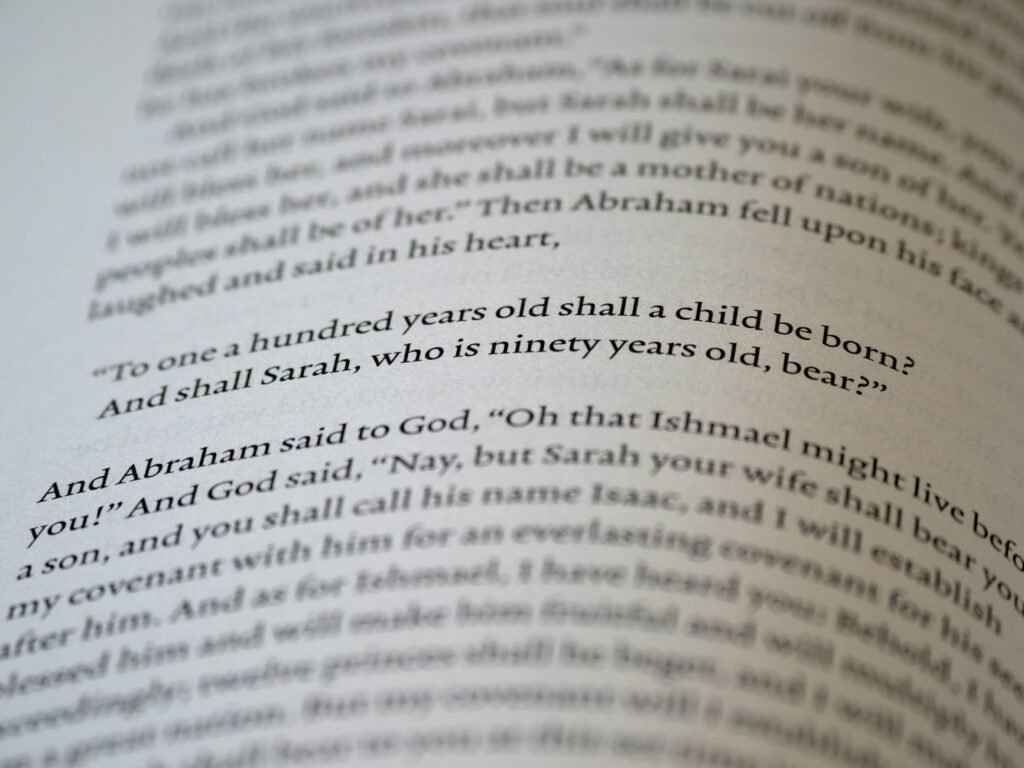
The Context of Abraham’s Call
To understand the significance of the test, we first consider God’s initial covenant with Abraham. In Genesis 12:1‑Lord‑Called‑Abram, God promises to make him a great nation, to bless him, and to make his name great. This promise is reiterated in Genesis 15:5, where God tells Abraham that his descendants will be as numerous as the stars. These foundational promises establish a relationship built on trust, and they set the stage for later challenges that would confirm Abraham’s reliance on God’s word rather than human reasoning.
Abraham’s life is marked by moments of faith—leaving his homeland (Genesis 12:1‑One), trusting God’s promise of a son despite old age (Genesis Twenty-one: Two‑Four), and interceding for Sodom (Genesis 18:20‑Six). Each episode demonstrates a pattern of obedience that prepares the heart for a more profound test.
The Nature of Divine Testing
The Bible speaks of testing as a means of refining character. James 1:12 says, “Blessed is the man who endures trial, for when he has been approved he will receive the crown of life.” Similarly, 1 Peter 1:6‑Seven notes that trials “prove the genuineness of your faith, which is more precious than gold.” These passages suggest that God allows testing to reveal the depth of a believer’s trust.
Deuteronomy 8:2 adds, “You shall remember the Lord your God, for it is He who gives you power to gain wealth, that He may confirm His covenant with you.” The purpose is not punitive but covenant‑confirming. Therefore, the test of Abraham must be viewed within this biblical framework of refinement and covenant affirmation.
The Specific Test: Offering Isaac
When God commands, “Take your son, your only son Isaac, whom you love, and go to the land of Moriah, and offer him as a burnt offering” (Genesis Twenty-two: Eight), the demand appears contradictory to the promises previously given. Yet the command aligns with the principle that God may ask for a greater sacrifice to demonstrate the sincerity of faith (Hebrews 11:17‑Nineteen). Abraham’s willingness to obey, “Here I am,” without protest, illustrates a trust that supersedes even the promise of a future lineage.
It is crucial to note that God never intended the actual killing of Isaac; rather, He intervened at the last moment (Genesis Twenty-two: Twelve). The ram provided as a substitute (Genesis Twenty-two: Thirteen) foreshadows the ultimate substitutionary sacrifice of Christ, a theme the New Testament writers explicitly draw out (Hebrews 11:17‑Nineteen).
Abraham’s Faith in Action
The narrative shows Abraham’s faith expressed through obedient action, not merely intellectual assent. Hebrews 11:17‑Eighteen describes Abraham as “believing that God could even raise the dead, and he received what he had been promised.” His journey to Moriah, carrying the wood and the fire, demonstrates a tangible commitment. This is echoed in James 2:20‑One, which says, “Was not Abraham our father justified by works when he offered his son Isaac on the altar?”
A modern illustration can help clarify this point. Imagine a parent who promises a child a scholarship, then asks the child to give up a cherished extracurricular activity to focus on studies. The child’s willingness to comply, trusting the promise, reflects a faith‑in‑action that mirrors Abraham’s response. The parent’s request, though demanding, is rooted in a greater plan for the child’s future, much like God’s request was rooted in the unfolding covenant.
Theological Implications for Believers
The test of Abraham raises several theological questions that scholars continue to discuss. One point of view holds that the test confirms God’s sovereignty and the reliability of His promises. Others argue that it underscores the cost of discipleship, as Jesus later taught that “whoever does not deny himself, take up his cross, and follow me” (Matthew Twenty‑Six: Thirty‑Four). Both perspectives find support in Scripture and invite believers to contemplate the balance between divine command and human obedience.
Moreover, the substitution of the ram points to the doctrine of atonement. The New Testament writer of Hebrews explicitly connects Abraham’s willingness to offer Isaac with Christ’s ultimate sacrifice, stating that “the children of God are not born because the will of the flesh has prevailed, but because of the will of God” (Hebrews 11:17). This linkage reinforces the continuity of God’s redemptive plan from the Old Covenant to the New.
Applying the Lesson Today
For contemporary Christians, Abraham’s test challenges us to examine the areas where God may be asking for costly trust. The call might not be to sacrifice a child, but to prioritize God over career ambitions, financial security, or personal comfort. James 1:12 reminds us that “the testing of your faith produces perseverance,” encouraging believers to view trials as opportunities for spiritual growth.
Practical steps can include daily surrender prayers, seeking counsel from mature believers, and evaluating whether our decisions align with Scripture’s call to love God with all our heart, soul, and mind (Matthew Twenty‑Twenty‑Two). For further study on the relationship between testing and faith, resources such as Got Questions provide biblical explanations that can deepen understanding.
A Personal Reflection
When I first grappled with the story of Abraham, I imagined it as a distant, ancient drama. Yet a recent experience reshaped that perspective: a close friend faced a career crossroads that threatened to pull him away from his ministry calling. Watching him wrestle with the decision, I saw a modern echo of Abraham’s struggle—choosing obedience over certainty. His eventual choice to step back, trusting God’s provision, reminded me that the “test” is less about the specific demand and more about the posture of the heart.
In the quiet moments of prayer, we are invited to echo Abraham’s simple yet profound response, “Here I am.” May we each find the courage to say those words when God’s call seems impossible, trusting that He who tested Abraham is the same God who walks beside us today, ready to provide the ram when the altar is prepared.
Keep Exploring Scripture
Continue your Bible study with our collection of Scripture tools, topics, people, places, and study resources.
Explore Bible Study ToolsYou May Also Like
Understanding Biblical Hospitality in a Digital Age
Exploring how Scripture defines hospitality, why it matters today, and practical ways to practice…
Applying the Parable of the Talents to Today’s Career Decisions
Discover how the timeless lesson of the talents can shape wise, faithful, and purposeful…

What Does the Bible Say About Managing Money and Generosity in Modern Times?
Exploring biblical principles of stewardship, wise spending, and generous giving, this article shows how…

How Should Christians Respond to Political Propaganda?
Navigating modern political propaganda demands biblical wisdom, discernment, and a heart anchored in truth.…

Why Do Conspiracy Theories Spread Among Christians?
An exploration of the biblical, psychological, and cultural factors that make believers vulnerable to…

Why Are Christians Vulnerable to Conspiracy Theories?
Exploring the biblical roots of our desire for hidden explanations, this article examines why…
Join the Conversation