
Is Drinking Alcohol a Sin According to the Bible?
A balanced biblical look at wine and strong drink reveals clear encouragement for moderation, warning against drunkenness, and the freedom believers have to follow conscience.

Understanding the Biblical Context of Wine
Wine and strong drink appear throughout Scripture, both in celebration and in daily life. The creation narrative itself notes that “God also made wine that makes glad the heart of man” (Psalm One Hundred Four:Fourteen). In the garden of Eden, the first recorded use of fermented drink is the episode where Noah “became drunk and lay uncovered within his tent” (Genesis 9:20‑One). These passages show that the Bible acknowledges alcohol as a created good, not an inherently evil substance.
In the New Testament, the first miracle of Jesus’ public ministry is the transformation of water into wine at the wedding at Cana (John 2:1‑Eleven). The narrative emphasizes the abundance of the wine and the joy of the celebration, suggesting that moderate consumption was part of the cultural norm for feasts and communal gatherings.
Positive Depictions of Alcohol in Scripture
The apostle Paul frequently uses wine as a metaphor for the joy of salvation. In First Timothy 5:23 he advises, “No longer drink only water, but use a little wine for the sake of your stomach and your frequent ailments,” indicating a medicinal use recognized by early Christians. Likewise, Paul writes, “Whether you eat or drink, do everything for the glory of God” (First Corinthians Ten:Thirty‑One), which includes the responsible enjoyment of food and drink.
Ecclesiastes 9:7 exhorts, “Go, eat your bread with gladness, and drink your wine with a cheerful heart, for God has already approved what you do.” The verse reflects a biblical affirmation that sharing a drink in fellowship is a blessing when it is done with thankfulness and moderation.
Warnings Against Drunkenness
While the Bible affirms the goodness of wine, it also issues strong cautions about excess. Proverbs 20:1 declares, “Wine is a mocker, strong drink is raging, and whoever is deceived by them is not wise.” Similarly, Proverbs Twenty‑Three:Twenty states, “Do not be among those who drink too much wine or gorge themselves on meat.” The prophetic literature also warns of the moral consequences of drunkenness; for example, the prophet Isaiah calls the nation to “stop drinking wine and strong drink” (Isaiah Five‑Twenty‑Three) as a sign of repentance.
In the New Testament, the apostle Peter admonishes believers, “For the time will come when the drunkard and the glutton will be in poverty, and drowsiness will clothe them in rags” (Proverbs Twenty‑Three:Twenty‑One, quoted in First Peter 4:3). The epistle to the Ephesians gives a clear command: “Do not get drunk on wine, which leads to debauchery; instead, be filled with the Spirit” (Ephesians 5:18). The pattern is unmistakable: the Bible condemns drunkenness, not the drink itself.
Principles of Moderation and Personal Conviction
The early church practiced a principle of “sobriety” that balanced freedom with responsibility. Paul’s instruction to “not be mastered by anything” (First Timothy 6:20) is often applied to alcohol, urging believers to avoid any habit that could dominate their will. Yet the same apostle also writes, “All things are lawful for me, but not all things are helpful” (First Corinthians 10:20‑Twenty‑Two). This invites each Christian to consider whether drinking, even in moderation, builds up personal holiness and community.
Conscience plays a vital role. The Roman writer Paul tells the Romans that each person should act according to the conviction of their own heart (Romans 14:5‑Six). If a believer’s conscience is troubled by even a small amount of alcohol, the biblical ethic of love and respect for others (Romans 14:20‑One) would advise abstaining to avoid causing a stumbling block.
Practical Guidance for Contemporary Believers
Many churches today adopt a “wine in the sacrament” practice while offering grape juice as an alternative for those who abstain. This reflects a biblical balance: the Lord’s Supper is instituted with wine (First Corinthians 11:20‑Two‑Twenty‑Four), yet the New Testament never commands its use as mandatory for all believers. A practical rule of thumb, drawn from the biblical counsel to “be sober, be vigilant” (First Peter 5:8), is to limit intake to a level that does not impair judgment, speech, or the ability to serve.
Consider a modern example: A young professional named Sarah attends a church fellowship dinner where a modest glass of wine is served. She enjoys the wine, feels the fellowship deepen, and leaves feeling refreshed—not impaired. Later that evening, she volunteers at a homeless shelter, fully present and attentive. Sarah’s experience illustrates how a measured approach can honor the biblical principle of joy in fellowship without crossing into the danger of drunkenness.
Living Faithfully in a Culture of Alcohol
Our contemporary culture often normalizes excessive drinking, making it easy to
For further study on this topic, BibleGateway is a helpful resource: https://www.biblegateway.com/
Keep Exploring Scripture
Continue your Bible study with our collection of Scripture tools, topics, people, places, and study resources.
Explore Bible Study ToolsYou May Also Like
What Can the Psalms Teach Us About Processing Grief?
The Psalms offer a biblical template for honest lament, hopeful trust, and communal mourning,…
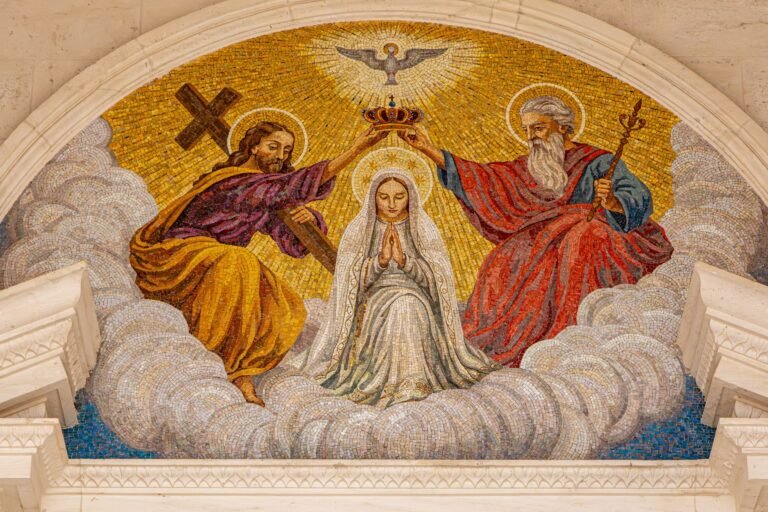
Why Is the Trinity Difficult to Understand?
The doctrine of the Trinity is a core Christian confession yet it remains a…
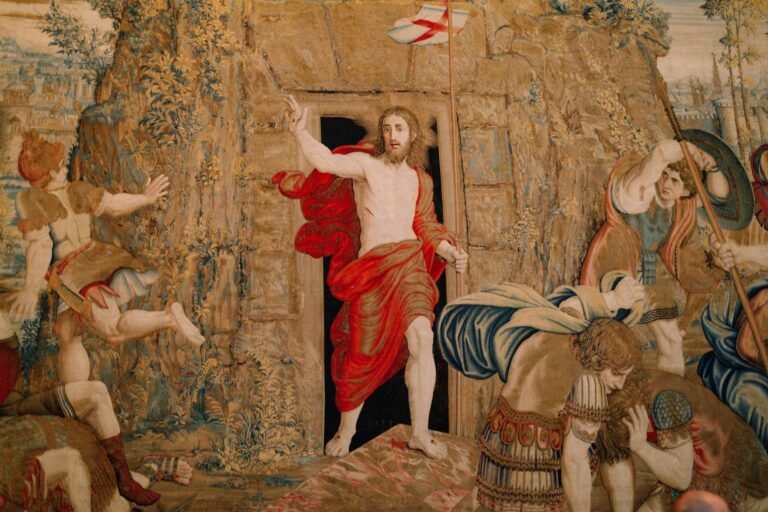
What Does the Resurrection Prove?
The resurrection of Jesus Christ is the cornerstone of Christian faith, and Scripture repeatedly…

Why Is the Gospel Difficult for Some People to Understand?
The gospel is simple in its core truth yet often feels opaque because of…

What Does It Mean That Jesus Saves Us From Sin?
A careful look at Scripture reveals that Jesus’ saving work frees us from the…

Why Does God Require a Sacrifice for Sin?
Understanding the biblical mandate for sacrifice reveals God’s justice, mercy, and the fulfillment of…
Join the Conversation