Are Christians Under the Old Covenant? A Biblical Examination
Exploring what Scripture says about the Mosaic covenant and the New Covenant helps Christians understand where they stand in God’s redemptive plan.

Understanding the Old Covenant in Its Biblical Context
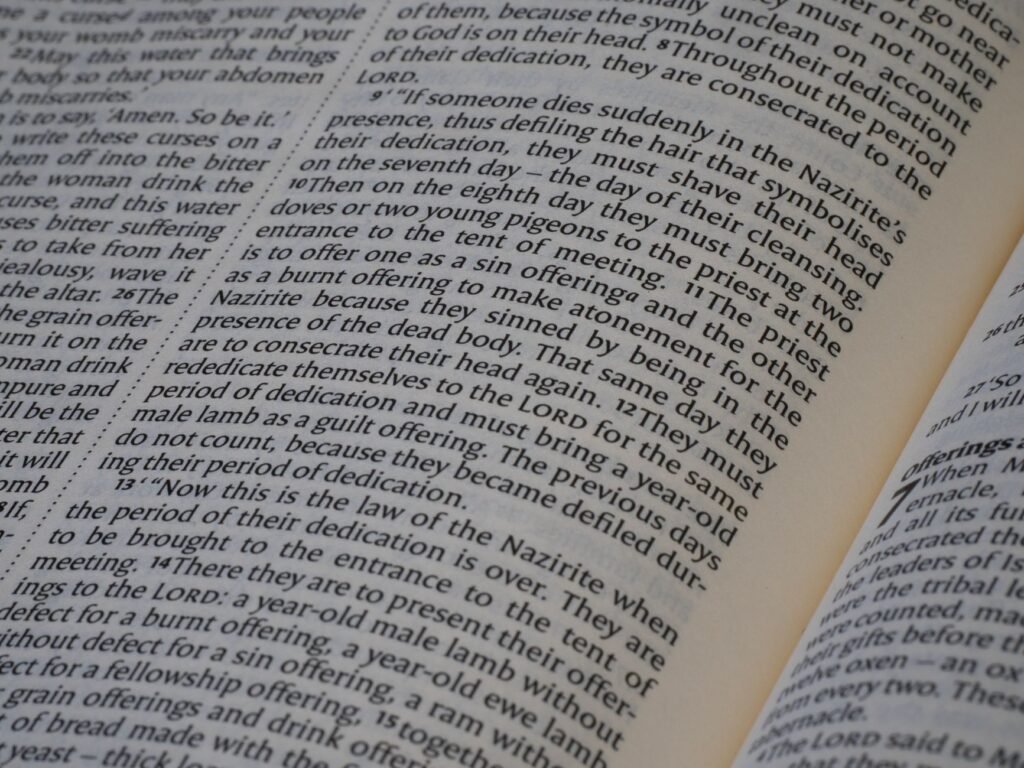
The term “Old Covenant” typically refers to the covenant that God established with Israel at Mount Sinai. Exodus twenty‑four verse eight records the solemn sealing of that covenant: “And Moses took the blood of the covenant, and sprinkled it on the people, and said, ‘Behold the blood of the covenant which the Lord hath made with you concerning all these words.’” This covenant was accompanied by a comprehensive set of laws—found primarily in Exodus, Leviticus, Numbers, and Deuteronomy—that regulated worship, social justice, and daily life. Leviticus twenty‑six verse twelve promises the blessing of that covenant: “I will set my covenant with you, and will multiply you greatly, and I will not diminish you.” The covenant was conditional; Deuteronomy twenty‑three verses twenty‑six explains that obedience would bring prosperity, while disobedience would bring curses. Understanding these features helps us see why the covenant is often labeled “old” in light of later biblical revelation.
Yet the Old Covenant was never intended to be the final arrangement between God and humanity. The prophets repeatedly hinted at a future shift. Jeremiah thirty‑one verses thirty‑one through thirty‑four announce: “Behold, the days come, saith the Lord, that I will make a new covenant with the house of Israel… I will put my law in their inward parts, and write it upon their hearts.” These prophetic words set the stage for a covenant that would transcend the external regulations of the Mosaic law and be rooted in internal transformation.
The Promise of a New Covenant
New Testament writers explicitly identify the covenant spoken of by Jeremiah as fulfilled in Christ. Hebrews eight verse thirteen states, “In that he saith, A new covenant, he hath made the first old. And that which decayeth, is made new.” The author of Hebrews argues that the very purpose of the New Covenant is to render the old obsolete because it has been fulfilled in Jesus. Hebrews nine verse fifteen further clarifies the role of Christ: “And is the mediator of a new covenant, that by death, for the redemption of the transgressions that were under the first covenant, might be declared.” In this sense, the New Covenant is not a replacement in the sense of discarding God’s promises, but a fulfillment that brings the covenant promises to their intended completion.
The New Covenant carries specific hallmarks that distinguish it from the Mosaic arrangement. Hebrews ten verses sixteen and seventeen quote Jeremiah, emphasizing that God will “write [His] laws in their hearts” and “be their God, and they shall be the people of Him.” The internalization of God’s law signifies that believers are no longer bound to the external ceremonial code, but to the Spirit‑written law that guides conscience and character. This shift from external symbols to internal transformation forms the theological core of the New Covenant.
What the New Testament Says About the Old Covenant
The apostle Paul repeatedly teaches that believers are no longer under the jurisdiction of the Mosaic law for justification. Romans seven verse six declares, “Now we are released from the law, having died to that which held us captive, that we should serve in the newness of the Spirit.” Similarly, Galatians three verses twenty‑four and twenty‑five explain that “the law was our guardian until Christ came… that we might be justified by faith.” The implication is that the law’s custodial role ended with the coming of Christ, and believers now stand under the justification of faith. Hebrews ten verses sixteen to seventeen, as noted earlier, reinforces that the law is now internal, not external.
The writer of 2 Corinthians further emphasizes this transition: “who also hath made us competent ministers of the new covenant; not of the letter, but of the spirit” (2 Corinthians three verse six). The “letter” refers to the written code of the Old Covenant; the “spirit” points to the inward reality inaugurated by Christ’s blood. These passages collectively argue that Christians, by virtue of their union with Christ, operate under the New Covenant rather than the Mosaic covenant that governed Israel.
Continuity, Fulfillment, and Everyday Life
While the New Covenant supersedes the Mosaic ceremonial system, it does not nullify every aspect of the Old Testament. Jesus himself affirmed the enduring moral principle of the law: “Do not think that I have come to abolish the Law or the Prophets; I have not come to abolish them but to fulfill them” (Matthew five verse seventeen). The fulfillment does not mean the moral imperatives vanish; rather, they find their deepest expression in the character of Christ and the indwelling Spirit. The Apostle Paul reflects this in Romans fourteen verse five and six, acknowledging that “one person esteems one day above another; another esteems every day alike,” and that “each one should be fully convinced in his own mind.” This freedom rests on the principle that ceremonial observances—such as the Sabbath or dietary restrictions—are no longer binding for those who belong to the New Covenant.
A realistic scenario illustrates this principle. Imagine a young professional, Maya, who works a Saturday night shift at a hospital. Raised in a church that observes the Sabbath, she wonders whether she must refuse the shift. Guided by her understanding of the New Covenant, she consults Scripture and finds that the Sabbath command was part of the Old Covenant’s ceremonial law, fulfilled in Christ (Hebrews ten verse sixteen). She decides to serve, viewing her work as a ministry to the sick, while honoring the principle of rest through weekly worship and personal reflection. This example shows how the New Covenant empowers believers to apply biblical truth to contemporary decisions without being constrained by ceremonial regulations that were specific to Israel’s covenantal identity.
For a clear overview of the New Covenant’s biblical basis, see Got Questions, which offers concise articles rooted in Scripture.
Theological Implications for Identity and Worship
Understanding that Christians are under the New Covenant reshapes how believers view their identity. 1 Peter two verse nine declares that believers are “a chosen people, a royal priesthood, a holy nation, a people for God’s own possession.” This language echoes Israel’s covenantal identity but is now applied to all who are in Christ, indicating that the
Keep Exploring Scripture
Continue your Bible study with our collection of Scripture tools, topics, people, places, and study resources.
Explore Bible Study ToolsYou May Also Like

What Can the Psalms Teach Us About Processing Grief?
The Psalms offer a biblical template for honest lament, hopeful trust, and communal mourning,…
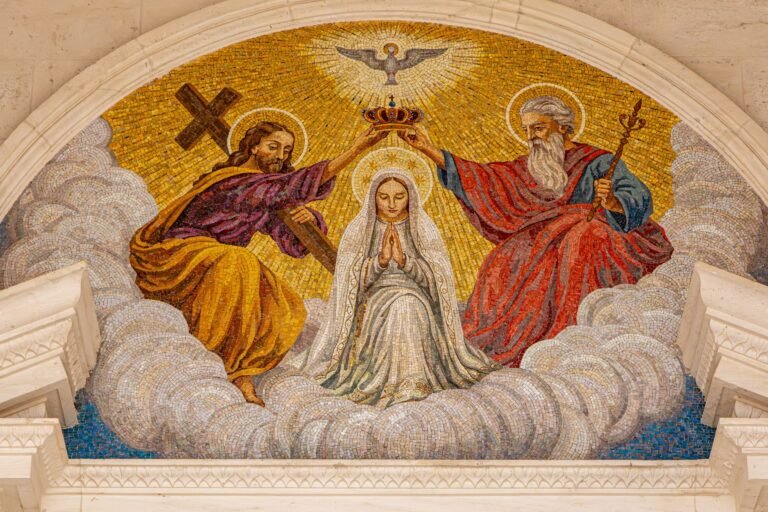
Why Is the Trinity Difficult to Understand?
The doctrine of the Trinity is a core Christian confession yet it remains a…
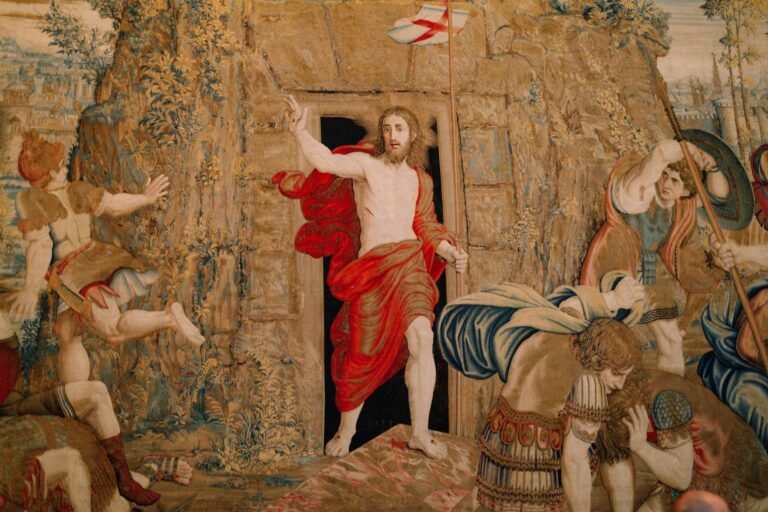
What Does the Resurrection Prove?
The resurrection of Jesus Christ is the cornerstone of Christian faith, and Scripture repeatedly…

Why Is the Gospel Difficult for Some People to Understand?
The gospel is simple in its core truth yet often feels opaque because of…
What Does It Mean That Jesus Saves Us From Sin?
A careful look at Scripture reveals that Jesus’ saving work frees us from the…

Why Does God Require a Sacrifice for Sin?
Understanding the biblical mandate for sacrifice reveals God’s justice, mercy, and the fulfillment of…
Join the Conversation