
Seeking God in Sickness
Sickness is one of those experiences that can quickly change the way we see life. When the body becomes weak, ordinary activities can suddenly become difficult, and the future can begin to feel uncertain. A medical diagnosis, persistent pain, or an unexpected illness can bring fear, anxiety, frustration, and many questions. During such moments, it […]

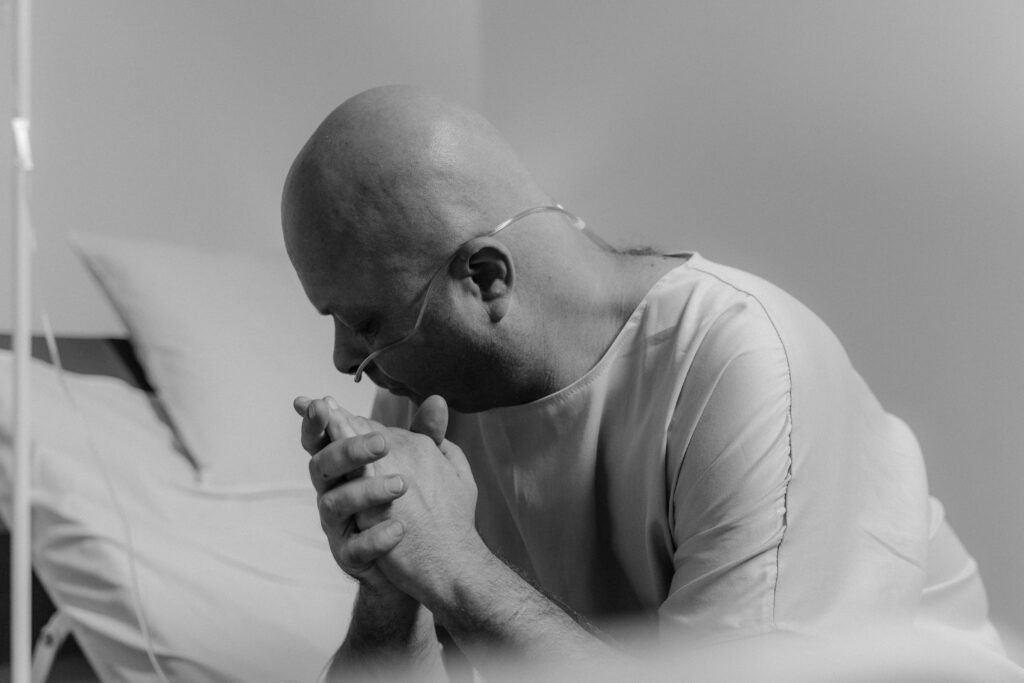
Sickness is one of those experiences that can quickly change the way we see life. When the body becomes weak, ordinary activities can suddenly become difficult, and the future can begin to feel uncertain. A medical diagnosis, persistent pain, or an unexpected illness can bring fear, anxiety, frustration, and many questions. During such moments, it is natural to wonder why God has allowed the situation to happen and whether He will bring healing. Yet, even in the middle of sickness, Christians can have confidence that God has not abandoned them. The Bible repeatedly shows us that God is near to those who are hurting and that we can turn to Him with our deepest fears, questions, and needs.
Seeking God in sickness does not mean pretending that the illness does not exist or refusing to acknowledge the difficulty of what we are experiencing. Instead, it means turning toward God in the middle of the situation and trusting Him with our lives. Scripture gives us examples of people who cried out to God when they were suffering, and their prayers were often honest and deeply emotional. Psalms 41, for example, presents a prayer from someone experiencing sickness who asks God for mercy and healing. This reminds us that God welcomes us when we come to Him honestly. We do not have to hide our pain or pretend to be stronger than we are. We can come before Him exactly as we are and place our circumstances into His hands.
God Cares About You When You Are Sick
One of the most important truths to remember during sickness is that God cares about you. When you are physically weak, it can sometimes feel as though the rest of the world continues normally while your life has been placed on hold. You may spend days or weeks dealing with pain, medical appointments, treatments, medication, or uncertainty about what will happen next. In such circumstances, it is easy to feel forgotten or alone. However, your sickness does not make you invisible to God. He knows what you are experiencing, and He understands the burdens that you may not even be able to explain to other people.
The ministry of Jesus provides many examples of His compassion toward people who were sick and suffering. Throughout the Gospels, people came to Jesus with different physical conditions, and He showed compassion toward them. His response to suffering demonstrates that God is not distant from human pain. Psalms 41 also describes the Lord as One who sustains a person on a sickbed and speaks of His ability to restore those who are experiencing illness. Therefore, when you are sick, you can confidently bring your situation before God. You can tell Him about your pain, your concerns, your fears, and your desire to be well again because He cares about what you are going through.
Seek God Through Prayer
Prayer should have an important place in the life of a Christian who is experiencing sickness. When we pray, we are not simply repeating religious words; we are communicating with the God who created us and knows us completely. We can speak to Him about our physical condition, our emotions, our family, our finances, and everything else that may be affected by the illness. There is no part of our situation that is too insignificant for God to hear about, and there is no burden that is too great for us to place before Him.
The Bible encourages believers to pray when they are suffering and gives particular instructions concerning those who are sick. James 5:14–15 encourages a sick person to call the elders of the church so that they can pray over them. This shows that seeking God during sickness is not something we are expected to do entirely on our own. God has also given us the Christian community so that we can support one another through difficult seasons. When sickness makes it difficult for you to find the strength to pray, there is great comfort in knowing that other believers can stand with you in prayer.
Your prayer does not have to be complicated. You can ask God for healing, strength, wisdom, peace, and courage. You can ask Him to guide the people caring for you and to help you make wise decisions about your treatment. You can also simply tell Him that you are tired and afraid. God does not need impressive words from you. He wants an honest heart that turns toward Him.
Pray Boldly for Healing
The Bible gives Christians good reason to pray for healing. Throughout Scripture, we see people asking God to intervene in situations of sickness and suffering. Psalms 41 contains a direct request for mercy and healing, showing that it is appropriate to bring physical needs before God. When you are sick, you should not feel guilty about asking God to restore your health. It is perfectly appropriate to pray that God will heal your body and give you renewed strength.
At the same time, praying for healing requires us to remember who God is. We pray boldly, but we also trust Him with the outcome. Christian faith does not mean believing that we can force God to act according to our preferred timetable. Rather, faith means trusting God’s wisdom, goodness, and faithfulness even when we do not understand everything that is happening. We can ask God for healing while recognizing that His plans and purposes are greater than our understanding.
This kind of prayer allows us to hold two truths together. We can genuinely believe that God is able to heal us while also trusting Him if the answer does not come in the way or at the time we expect. We should never allow disappointment over an unanswered prayer to convince us that God does not care about us. His love is not measured by whether every prayer receives the answer we want.
Do Not Assume That Sickness Means God Has Abandoned You
One of the most damaging thoughts a Christian can have during sickness is the belief that illness automatically means God has rejected or abandoned them. When healing does not happen quickly, some people begin to wonder whether they have lost God’s favor or whether they have done something that has caused Him to turn away from them. While Scripture does teach that sin can have consequences and that we should examine our hearts before God, the Bible does not teach that every sickness is the direct result of a particular personal sin.
The book of Job is a powerful reminder that suffering cannot always be explained through simple formulas. Job experienced tremendous suffering, yet the explanations offered by those around him did not accurately describe what was happening. His story reminds us that human beings do not always know why suffering occurs. Therefore, when you become sick, be careful about condemning yourself or assuming that God has forgotten you. Instead, bring your questions to God and continue trusting Him even when you do not have all the answers.
Remember That God Is With You in Your Weakness
Sickness often exposes our weakness in ways that are difficult to accept. We may become dependent on other people for everyday tasks, lose the ability to work normally, or become frustrated because our bodies are no longer doing what we expect them to do. This can affect our confidence and even make us question our sense of purpose. However, physical weakness does not make you less valuable to God.
The apostle Paul experienced a persistent difficulty that he described as a “thorn in the flesh.” He pleaded with God three times for it to be removed, but instead of removing it, God told Paul that His grace was sufficient and that His strength was made perfect in weakness. This does not mean that Christians should stop asking God for healing. Rather, it reminds us that God’s presence and grace remain available even during seasons when the answer to our prayers is not what we expected.
There may be days when you feel strong and days when you feel completely exhausted. There may be moments when your faith feels powerful and other moments when you struggle to understand what God is doing. During all of these moments, remember that your relationship with God is not dependent on how strong you feel. You can come to Him in weakness, and you can depend on His strength when your own strength is insufficient.
Let the Word of God Speak to Your Fear
Sickness can create fear because it often involves uncertainty. You may not know how long the illness will last, whether the treatment will work, or what your future health will look like. When these thoughts become overwhelming, it is important to fill your mind with the truth of God’s Word rather than allowing fear to become the loudest voice in your heart.
The Scriptures repeatedly remind God’s people that He is their refuge and strength. Psalms 23 speaks of God’s presence even when a person walks through the darkest valley. Isaiah 41:10 encourages God’s people not to fear because He is with them and will strengthen and help them. These passages do not promise that believers will never experience difficult circumstances. Instead, they remind us that we do not have to face those circumstances alone.
During sickness, spend time reading Scripture slowly and thoughtfully. Choose passages that remind you of God’s character, His faithfulness, His compassion, and His promises. You may not always have the emotional energy to study for long periods, but even a few verses can redirect your thoughts toward God. When fear tells you that you are alone, Scripture reminds you that God is present. When anxiety tells you that everything is hopeless, Scripture reminds you that God remains faithful.
Continue Seeking God Even When Healing Takes Time
Waiting for healing can be one of the hardest parts of sickness. It is easier to maintain hope when improvement happens quickly, but long-term illness can test our patience and faith. When days become weeks and weeks become months, you may begin to wonder whether anything is changing. You may have prayed the same prayer many times and still find yourself facing the same symptoms and uncertainties.
During such seasons, continue seeking God even when you do not see immediate results. Your relationship with God should not depend entirely on receiving the answer you desire. Continue praying, continue reading His Word, continue worshiping, and continue placing your situation before Him. Waiting does not mean that God is necessarily doing nothing. There are many things about God’s work that we cannot see or understand while we are living through a difficult season.
It is also important to give yourself permission to acknowledge that waiting is difficult. Faith does not require you to pretend that you are never discouraged. The Psalms contain prayers of sadness, confusion, fear, and longing. God is able to handle your honest emotions. You can tell Him that you are tired of waiting while still choosing to trust Him. Seeking God means bringing your real heart before Him rather than presenting an artificial version of yourself.
Do Not Walk Through Sickness Alone
God has not designed Christians to live in isolation, especially during seasons of suffering. When someone becomes sick, it can be tempting to withdraw from friends, family, and the church. You may not want to burden other people or may feel uncomfortable asking for help. However, allowing trusted believers to support you can be an important part of walking through sickness.
James 5 specifically encourages those who are sick to involve the elders of the church and receive prayer. This demonstrates the importance of spiritual community when someone is suffering. Other Christians can pray with you, encourage you when you are discouraged, help with practical needs, and remind you of God’s promises when your own faith feels weak. Sometimes God’s comfort comes through another person’s presence, a phone call, a meal, a visit, or a simple prayer.
You do not have to prove your strength by carrying everything alone. There is no shame in admitting that you need help. In fact, allowing others to support you can create opportunities for Christian love to be demonstrated in practical ways. If you are currently sick, consider reaching out to someone you trust and letting them know what you are experiencing. You may discover that there are people who genuinely want to stand with you.
Seek Medical Help While Trusting God
Seeking God in sickness does not mean that Christians should reject appropriate medical care. Prayer and medical treatment do not have to be viewed as opposing choices. Christians can pray for supernatural healing while also seeking qualified medical attention, following appropriate treatment plans, taking prescribed medication, attending appointments, and making responsible decisions about their health.
You can also pray for the doctors, nurses, therapists, caregivers, and other professionals involved in your care. Ask God to give them wisdom, knowledge, patience, and skill. If you are facing an important medical decision, you can ask God to give you discernment and peace as you consider your options. Trusting God does not require us to ignore practical wisdom. Instead, we can seek God while responsibly using the resources and help available to us.
Remember That Your Ultimate Hope Is in Christ
Physical healing is something we can and should pray for, but the Christian’s ultimate hope goes beyond physical health. Even people who experience healing in this life will eventually face death. Therefore, the greatest promise of Christianity is not simply that believers will never become sick. The greater promise is that through Jesus Christ, believers have the hope of eternal life and a future in which suffering and death will no longer exist.
Revelation 21:4 gives Christians a powerful picture of the future God has promised. It speaks of a time when God will wipe away every tear and when death, mourning, crying, and pain will be no more. This is the hope that carries believers beyond the limitations of the present world. Even when we do not understand our present circumstances, we can look forward to the day when sickness and suffering will finally be defeated.
This eternal hope does not make present suffering insignificant. Instead, it gives present suffering a different perspective. Your current illness is not the whole story of your life. Your diagnosis is not the final word about your future. Your pain may be real, but it does not have the authority to determine your ultimate destiny when your life is in Christ.
A Prayer for Those Seeking God in Sickness
Heavenly Father, I come before You in my weakness and ask You to meet me in this difficult season. You know everything about my condition, including the things I cannot explain to anyone else. You know my pain, my fears, my questions, and the uncertainty I feel about the future. I ask You to have mercy upon me and to bring healing to my body. Please strengthen me where I am weak, restore what is damaged, and give me the grace to face each day with courage and faith.
Lord, please guide everyone involved in my care and give them wisdom concerning my treatment. Help me make responsible decisions about my health, and give me peace when I am faced with uncertainty. When fear begins to overwhelm me, remind me that You are with me. When I become discouraged because healing is taking longer than I expected, help me continue trusting You. When I feel alone, remind me that Your presence has not left me.
Father, I surrender my situation into Your hands. I ask You for healing, but I also ask for the grace to trust You regardless of how the journey unfolds. Help me seek Your presence rather than only seeking what You can give me. Draw me closer to Your Word, strengthen my faith, and surround me with people who will encourage and pray for me. Let Your peace guard my heart and mind, and help me remember that my ultimate hope is found in Jesus Christ. In Jesus’ name, Amen.
Conclusion: Keep Seeking God
Sickness can be a frightening and exhausting experience, but it can also become a season in which you discover a deeper dependence on God. When your physical strength is limited, you may begin to understand more clearly that your ultimate strength does not come from yourself. When you do not have answers, you can learn to trust the One who sees the beginning and the end. When you are afraid, you can remind yourself that God’s presence is greater than your circumstances.
Therefore, keep seeking God in sickness. Pray honestly and consistently. Ask Him for healing and trust Him with the outcome. Read His Word when fear begins to take over your thoughts. Allow other believers to support you, and do not be ashamed to ask for help. Seek appropriate medical care while continuing to depend upon God. Most importantly, remember that your hope is not ultimately found in perfect health but in Jesus Christ.
You may not know how long your current season will last, and you may not understand why God has allowed certain things to happen. But you can know that God sees you, hears your prayers, and remains faithful. Whether you are praying for your own healing or standing in prayer for someone you love, continue bringing that situation before Him. As Psalms 41 demonstrates, Scripture gives us room to cry out to God for mercy and healing while continuing to trust Him.
Your sickness is not the end of your story. Keep your eyes on God, keep bringing your needs before Him, and keep trusting His grace one day at a time.
Keep Exploring Scripture
Continue your Bible study with our collection of Scripture tools, topics, people, places, and study resources.
Explore Bible Study ToolsYou May Also Like

Exploring the Biblical Concept of Rest: Finding Sabbath Peace in a Busy World
A scholarly look at the Sabbath from Genesis to the New Testament, with practical…

Can a True Christian Abandon the Faith?
Exploring biblical teaching, theological insight, and real‑world examples, this study asks whether a genuine…
Can a Person Leave the Christian Faith?
Exploring biblical teachings, theological insights, and real‑world experiences, this article asks whether a believer…

Can God Be Trusted When Life Goes Wrong?
Exploring biblical promises, historical testimony, and everyday experience, we ask whether God remains trustworthy…

Why Should I Trust God When I Don’t Understand Him?
Trusting God isn’t about having all the answers; it’s about leaning on His unchanging…

How Can I Trust God When Nothing Makes Sense?
When life feels chaotic and reason falls short, Scripture reminds us that trusting God…
Join the Conversation