
How Can a Holy God Forgive Sin?
Exploring the biblical paradox of a perfectly holy God extending forgiveness to sinful humanity, this article examines the nature of holiness, the problem of sin, and the work of Christ that makes divine pardon possible.


The Nature of God’s Holiness
From the opening chapters of Scripture we learn that God’s very being is defined by holiness. In Isaiah the seraphim proclaim, “Holy, holy, holy is the Lord of hosts; the whole earth is full of his glory” (Isaiah 6:3). The repetition emphasizes that holiness is not a quality God occasionally displays, but the essence of who He is. This absolute purity is echoed in Leviticus where the Lord commands, “Be holy, because I, the Lord your God, am holy” (Leviticus 19:2). The Psalist also declares, “Exalt the Lord our God; worship at his footstool! Holy is he!” (Psalms 99:9). Because God is wholly other, any deviation from His perfect standard is, by definition, sin.
The Problem of Sin and Its Consequences
Sin entered the world through the disobedience of Adam, and its effect is universal. The apostle Paul writes, “For all have sinned and fall short of the glory of God” (Romans 3:23). Sin is not merely a moral failing; it is a breach of God’s holy law that brings separation. Paul further explains the penalty: “For the wages of sin is death, but the gift of God is eternal life in Christ Jesus our Lord” (Romans 6:23). The seriousness of sin is also highlighted in Exodus where God warns, “You shall not bow down to them or serve them; for I the Lord your God am a jealous God… I the Lord your God am a holy God” (Exodus 20:5). The holy God cannot simply overlook sin without compromising His own nature.
The Old Covenant and Its Sacrificial System
To address the problem of sin under the Old Covenant, God instituted a system of animal sacrifices. Hebrews explains, “Without the shedding of blood there is no forgiveness of sins” (Hebrews 9:22). The blood of bulls, goats, and lambs served as a temporary covering, pointing forward to a more perfect solution. The Day of Atonement rituals involved the high priest entering the Holy of Holies with a scapegoat, symbolically bearing the people’s guilt (Leviticus 16). Yet the prophet Isaiah warned that these sacrifices would not remove sin forever: “All our righteous acts are like filthy rags; we all fade like a leaf, and our iniquities, like the wind, have taken us away” (Isaiah 54:6). The sacrificial system demonstrated God’s justice, sin must be dealt with, but also His mercy, providing a means for temporary reconciliation.
The Prophetic Promise of a Perfect Sacrifice
Throughout the prophetic books God promised a future, sinless offering that would finally satisfy divine holiness. In Psalms 105 the psalmist declares, “For the Lord is good; his steadfast love endures forever, and his faithfulness to all generations” (Psalms 105:2). Though not an explicit messianic prophecy, it anticipates a covenantal love that would overcome sin. More directly, the prophet Isaiah identifies the suffering servant: “He was pierced for our transgressions, he was crushed for our iniquities; the punishment that brought us peace was on him, and by his wounds we are healed” (Isaiah 53:5). These verses set the stage for a divine solution that would not rely on repeated animal deaths but on a single, perfect sacrifice.
The Person and Work of Jesus Christ
The New Testament presents Jesus as the fulfillment of these promises. John testifies, “Behold the Lamb of God, who takes away the sin of the world!” (John 1:29). The incarnation means that God, in the person of Jesus, entered humanity while remaining fully holy. Paul writes, “For the message of the cross is foolishness to those who are perishing, but to us who are being saved it is the power of God” (1 Corinthians 2:14). Jesus’ death satisfied divine justice because He lived a sinless life, as the apostle Peter affirms, “He committed no sin, neither was any deceit found in his mouth” (2 Peter 1:1). By offering Himself, He became the perfect substitute whose blood could permanently atone for sin.
The Mechanism of Forgiveness: Substitution and Atonement
The doctrine of substitutionary atonement explains how a holy God can forgive sin without compromising His nature. The apostle Paul explains, “God made him who had no sin to be sin for us, so that in him we might become the righteousness of God” (2 Corinthians 5:21). In this exchange, Jesus, who was without guilt, took on the guilt of humanity, thereby satisfying the requirement that sin be punished. The book of Hebrews further clarifies, “Christ, by the offering of himself once for all, has taken away sin and the guilt it brings” (Hebrews 10:10). Because the penalty was fully paid on the cross, God can declare the sinner forgiven while remaining holy. The New Testament also teaches that this forgiveness is received through faith: “If we confess our sins, he is faithful and just to forgive us our sins and to cleanse us from all unrighteousness” (1 John 1:9).
Faith, Grace, and the Reception of Forgiveness
Grace is the unearned favor that allows sinners to appropriate Christ’s work. Ephesians teaches, “For by grace you have been saved through faith; and this is not your own doing, it is the gift of God” (Ephesians 2:8). Grace does not diminish God’s holiness; rather, it reveals the depth of His love. Faith is the means by which believers trust that Christ’s sacrifice is sufficient. The apostle James warns, “Faith without works is dead,” but also affirms that true faith trusts in the finished work (James 2:17). When a person believes, God declares them righteous: “Therefore, having been justified by faith, we have peace with God through our Lord Jesus Christ” (Romans 5:1). This declaration is a legal standing before a holy God, based entirely on Christ’s righteousness, not on any human merit.
The Transforming Power of Forgiveness in the Believer’s Life
The experience of forgiveness produces profound inner change. The apostle Paul writes, “Therefore, if anyone is in Christ, he is a new creation; the old has gone, behold, the new has come” (2 Corinthians 5:17). The believer’s relationship to sin shifts from dominion to defeat. Romans explains, “There is now no condemnation for those who are in Christ Jesus” (Romans 8:1). This does not mean believers become sinless, but that the power of sin is broken, and the Holy Spirit empowers a life of obedience. The fruit of this transformation includes love, joy, and peace, as the apostle Paul lists in Galatians: “But the fruit of the Spirit is love, joy, peace, patience, kindness, goodness, faithfulness, gentleness, self-control” (Galatians 5:22). Thus, divine forgiveness is not merely a legal decree; it initiates a new way of living that honors God’s holiness.
A Real-Life Illustration of Divine Forgiveness
Consider the story of Maria, a mother of three who faced a painful divorce after an affair. She carried deep shame, believing she could never be acceptable before God. One night she opened her Bible and read, “If we confess our sins, he is faithful and just to forgive us our sins and to cleanse us from all unrighteousness” (1John 1:9). She wept, realizing that forgiveness was not dependent on her own merit but on Christ’s sacrifice. Maria prayed, “Lord, I trust in your grace; forgive me and cleanse me.” Over the following weeks, she experienced a palpable peace, described in Philippians as “the peace of God, which surpasses all understanding, will guard your hearts and minds in Christ Jesus” (Philippians 4:7). She sought counseling, restored relationships with her children, and began serving at her church, embodying the new creation described in Second Corinthians. Maria’s story demonstrates how a holy God’s forgiveness can be personally received, leading to restoration and a life that reflects divine holiness.
Living in the Assurance of Forgiven Sin
The biblical witness assures believers that forgiveness is secure. John declares, “I give them eternal life, and they shall never perish; no one will snatch them out of my hand” (John 10:28). This promise rests on the finished work of Christ, not on human performance. Paul encourages believers, “For I am sure that neither death nor life, nor angels nor rulers, nor things present nor things to come, nor powers, nor height nor depth, nor anything else in all creation will be able to separate us from the love of God in Christ Jesus our Lord” (Romans 8:38‑39). Such assurance empowers Christians to approach God with boldness, confessing their sins and receiving forgiveness repeatedly. As the community of believers, we are called to extend this grace to one another, echoing the apostle Peter’s instruction, “Be kind to one another, tenderhearted, forgiving one another, as God in Christ forgave you” (1Peter 3:8).
Conclusion: The Mystery of Holy Mercy
The tension between God’s absolute holiness and His willingness to forgive is a divine mystery that Scripture both acknowledges and resolves. The Old Covenant pointed forward, the prophetic promises prepared the way, and the incarnation of Jesus provided the means by which a holy God could bear the penalty of sin without compromising His nature. Through faith, believers appropriate this mercy, becoming new creations who reflect God’s holiness in daily life. The assurance of forgiveness invites a continual return to the cross, where love and justice meet. As we live out this truth, we join a grand narrative that began in Genesis and finds its fulfillment in Revelation, where the redeemed declare, “Worthy is the Lamb who was slain, to receive power and wealth and wisdom and might and honor and glory and blessing!” (Revelation 5:12). May our lives be a testimony that a holy God not only can forgive sin, but indeed does so, inviting us into an ever‑deeper relationship with Him.
For further study on this topic, iBible Answers is a helpful resource: https://ibibleanswers.com/
Keep Exploring Scripture
Continue your Bible study with our collection of Scripture tools, topics, people, places, and study resources.
Explore Bible Study ToolsYou May Also Like

What Can the Psalms Teach Us About Processing Grief?
The Psalms offer a biblical template for honest lament, hopeful trust, and communal mourning,…
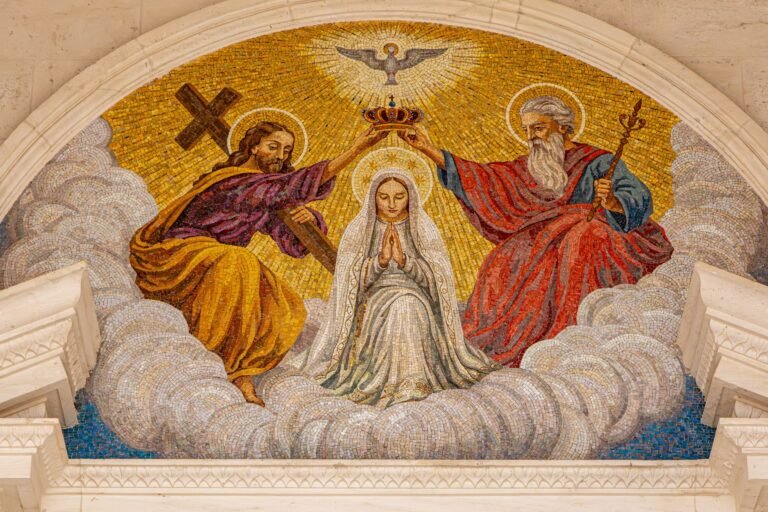
Why Is the Trinity Difficult to Understand?
The doctrine of the Trinity is a core Christian confession yet it remains a…

What Does the Resurrection Prove?
The resurrection of Jesus Christ is the cornerstone of Christian faith, and Scripture repeatedly…

Why Is the Gospel Difficult for Some People to Understand?
The gospel is simple in its core truth yet often feels opaque because of…
What Does It Mean That Jesus Saves Us From Sin?
A careful look at Scripture reveals that Jesus’ saving work frees us from the…
Why Does God Require a Sacrifice for Sin?
Understanding the biblical mandate for sacrifice reveals God’s justice, mercy, and the fulfillment of…
Join the Conversation