
How Can Christians Promote Unity in Their Churches?
Unity is a biblical mandate that calls every believer to love, humility, and shared purpose. This post explores scriptural foundations and practical steps for fostering true communion within the local church.

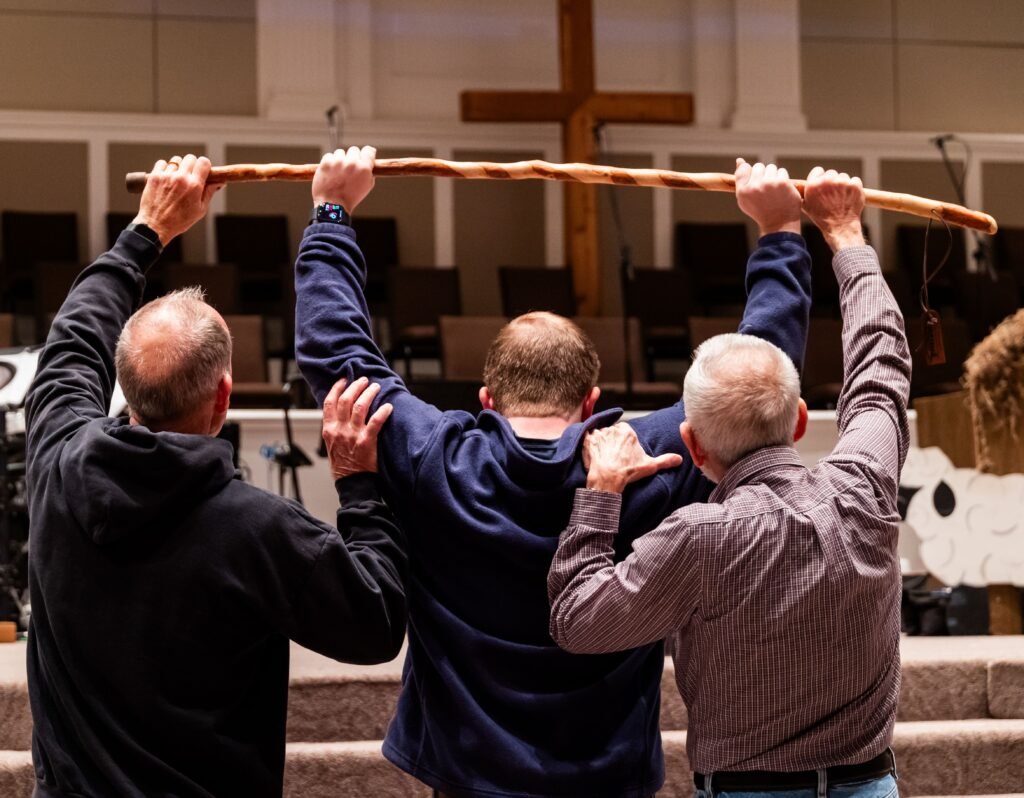
The Biblical Call to Unity
From the very beginning of Scripture, God’s heart for unity is evident. Psalm 133:1 declares, “How good and pleasant it is when brothers live together in unity.” The apostle Paul repeats this vision in his prayer for the church, asking that believers “may all be one, just as you, Father, are in me and I am in you” (John chapter seventeen verse twenty‑one). Unity is not a peripheral ideal; it is woven into the identity of the people of God.
Paul further emphasizes this in his letter to the Romans, stating, “For we are one body in Christ and individual members one of another” (Romans chapter twelve verse five). This metaphor of a single body underscores that each member’s well‑being is linked to the health of the whole. When the body is divided, it cannot function as God intended.
These passages set the tone for the entire discussion: unity is a divine command, a prayerful desire, and an essential characteristic of the church.
The Example of the Early Church
The first century believers modeled unity in practical ways that echo today’s challenges. Acts chapter two verse forty‑four records that “all the believers were together and had everything in common.” They “broke bread in their homes and ate together with glad and sincere hearts” (Acts chapter two verse forty‑seven). Their unity was expressed not only in shared doctrine but also in generous material sharing and heartfelt fellowship.
Later, in the letter to the Corinthians, Paul rebukes division, urging, “I appeal to you, brothers, by the name of our Lord Jesus Christ, that all of you be united in the same mind and the same judgment” (1 Corinthians chapter one verse ten). The early church’s successes and failures provide a living laboratory for modern believers seeking to cultivate unity.
Observing how the first Christians navigated cultural differences, economic disparities, and theological debates offers a template for contemporary churches facing similar pressures.
The Role of Love in Unity
Love is repeatedly identified as the glue that holds the body together. In Colossians chapter three verse fourteen the apostle writes, “And above all these things put on love, which binds everything together in perfect harmony.” Love is not a vague sentiment; it is an active, sacrificial choice that mirrors Christ’s love for the church (Ephesians chapter five verse twenty‑five).
The Greek word for love, agape, connotes a self‑giving, unconditional love that seeks the good of the other. Paul exhorts believers in Romans chapter thirteen verse eight, “Love is to fulfill the law.” When love is the guiding principle, disagreements lose their sharp edges because the concern for the other’s welfare outweighs personal preference.
In practice, this means greeting one another warmly, praying for each other’s needs, and speaking words that build up rather than tear down. A church that prioritizes love creates a climate where unity can naturally flourish.
Humility and Service as Foundations
Humility is a prerequisite for true unity. Philippians chapter two verse three‑four instructs, “Do nothing out of selfish ambition or conceit, but in humility consider others more important than yourselves. Look not only to your own interests, but also to the interests of others.” When believers adopt this posture, the temptation to dominate or marginalize disappears.
Jesus modeled humility through service, washing his disciples’ feet (John chapter thirteen verses one‑five). He taught that “whoever wants to become great among you must be your servant” (Mark chapter ten verse forty‑four). This counter‑cultural ethic challenges any culture of power that can fracture a congregation.
Practical outworkings include rotating leadership roles, encouraging members to serve in areas outside their comfort zones, and celebrating the contributions of those who work behind the scenes.
Speaking Truth in Love
Conflict is inevitable in any community, but Scripture provides a blueprint for handling disagreement without tearing the fabric of unity. Ephesians chapter four verse fifteen urges believers to “speak the truth in love, so that we may grow up in every way into Christ.” Truth must be paired with love; otherwise it becomes harsh criticism.
James chapter one verse nineteen advises, “Everyone must be quick to listen, slow to speak, and slow to become angry.” Active listening validates the other person’s perspective and reduces defensive reactions. When we speak, we are called to use “gracious words” (Proverbs chapter fifteen verse one) that reflect Christ’s character.
Churches that establish clear, biblically grounded processes for conflict resolution, such as the Matthew twenty‑four principle of confronting sin privately before escalating, demonstrate a commitment to truth spoken in love.
Overcoming Division through Forgiveness
Forgiveness is the antidote to bitterness that can erode unity. In Matthew chapter eighteen verses fifteen‑seventeen, Jesus outlines a path for reconciliation that culminates in prayer and community support if the offender refuses to listen. The ultimate goal is restoration, not punishment.
The apostle Paul writes, “Be kind to one another, tenderhearted, forgiving one another, even as God in Christ has forgiven you” (Ephesians chapter four verse thirty‑three). This reciprocal forgiveness mirrors the forgiveness believers receive from God, creating a cycle of grace that strengthens relational bonds.
Real life often presents situations where hurt runs deep, perhaps a misused ministry budget or a personal slur. Choosing to forgive, rather than hold a grudge, frees both parties to move forward and rebuild trust, preserving the unity that the body of Christ depends upon.
Practical Steps for Congregational Unity
Scripture provides principles, but churches must translate them into tangible actions. Below are several steps grounded in biblical teaching:
1. Regular Joint Prayer – Acts chapter two verses forty‑four to forty‑seven shows that shared prayer and meals foster deep connection. Scheduling weekly corporate prayer encourages reliance on God together.
2. Shared Vision Statements – Aligning the congregation with a clear, biblical mission prevents drift. Proverbs chapter twenty‑nine verse eighteen says, “Where there is no vision, the people perish.” A unified vision helps all members work toward the same goal.
3. Small Group Communities – Hebrews chapter ten verse twenty‑four‑twenty‑five exhorts believers to “consider how to stimulate one another to love and good deeds, not abandoning our meeting together.” Small groups create intimacy where love and accountability flourish.
4. Equitable Leadership Structures – 1 Timothy chapter three verses one‑seven outlines qualifications for overseers, emphasizing character over charisma. Transparent selection processes reduce suspicion and promote trust.
5. Celebration of Diversity – Revelation chapter seven verses nine‑ten depicts a great multitude from every nation, tribe, people, and language worshiping together. Embracing cultural differences within the local church reflects this heavenly reality.
6. Conflict Resolution Policies – Following Matthew chapter eighteen’s steps for addressing sin ensures that grievances are handled biblically and promptly, preventing festering divisions.
7. Teaching on Unity – Regular preaching on passages such as Ephesians chapter four verses one‑six equips the congregation with theological understanding of why unity matters.
These strategies, rooted in Scripture, create an environment where unity is not merely an abstract ideal but a lived reality.
Leadership Responsibility for Unity
Church leaders bear a special burden to model and nurture unity. In 1 Peter chapter five verses two‑three, elders are instructed to “shepherd the flock of God that is among you, serving as overseers, not because they must gain profit, but because they are eager to serve.” Leaders must serve voluntarily, with humility and integrity.
Paul’s letters to the churches repeatedly warn against the “pride of life” that can divide (1 John chapter two verses fifteen‑seventeen). Leaders are called to guard against such pride by remaining accountable to the congregation and to one another.
One practical way for leaders to promote unity is through regular “listening tours,” where pastors spend time in various ministries, listening to concerns and celebrating successes. This echoes the shepherd’s posture of being among the flock rather than above it.
Furthermore, leaders should practice “mutual submission” (Ephesians chapter five verses twenty‑three), acknowledging that authority is exercised for the benefit of the body, not for personal power. When leaders embody these biblical principles, they set a powerful example for the entire congregation.
A Real‑Life Story of Unity Restored
Consider the case of a midsized church in the Midwest that faced a serious division after a disagreement over worship style. The worship team favored contemporary music while the senior pastor preferred traditional hymns. Tensions rose, and attendance at worship services began to decline.
Applying the biblical principles outlined above, the church leadership invited the entire congregation to a series of listening sessions, following the “quick to listen, slow to speak” guidance of James chapter one verse nineteen. Members shared their hearts, and the pastor openly confessed his desire to honor tradition while also yearning for relevance.
The church then formed a small group tasked with creating a blended worship plan that honored both traditions. They prayed together nightly, echoing the early church’s commitment to shared prayer (Acts chapter two verse forty‑four). Over several months, the congregation witnessed a gradual healing as love (Colossians chapter three verse fourteen) and humility (Philippians chapter two verse three) shaped the process.
Eventually, the worship service featured a rotating schedule: contemporary songs on the first Sunday, hymns on the second, and a combined service on the third. The fourth Sunday became a free‑form worship night, allowing the community to experiment. Attendance rose, and members reported a renewed sense of belonging. This story illustrates how a community that embraces Scripture‑based conflict resolution, humility, and love can transform division into unity.
For further reading on how churches can navigate conflict biblically, you may explore resources such as Got Questions, which offers practical articles grounded in Scripture.
Closing Reflection
Unity is not a superficial harmony but a deep, Spirit‑enabled union that reflects the very nature of the Triune God. It demands love that binds, humility that serves, truth spoken graciously, and forgiveness that frees. As believers, we are invited to embody the prayer of Christ, “that they may be one” (John chapter seventeen verse twenty‑one), not by our own strength, but by the power of the Holy Spirit working within each heart.
When churches commit to these biblical practices, they become living testimonies of the gospel’s reconciling power. The world sees a community marked by love, humility, and shared purpose, a foretaste of the ultimate unity promised in Revelation chapter twenty‑two verses four‑five, where “the kingdom shall be his, and he shall reign forever and ever.” May each of us, in our local contexts, be agents of that divine unity, inviting others to experience the peace that passes all understanding (Philippians chapter four verse seven).
Keep Exploring Scripture
Continue your Bible study with our collection of Scripture tools, topics, people, places, and study resources.
Explore Bible Study ToolsYou May Also Like
Understanding Biblical Hospitality in a Digital Age
Exploring how Scripture defines hospitality, why it matters today, and practical ways to practice…

Applying the Parable of the Talents to Today’s Career Decisions
Discover how the timeless lesson of the talents can shape wise, faithful, and purposeful…

What Does the Bible Say About Managing Money and Generosity in Modern Times?
Exploring biblical principles of stewardship, wise spending, and generous giving, this article shows how…

How Should Christians Respond to Political Propaganda?
Navigating modern political propaganda demands biblical wisdom, discernment, and a heart anchored in truth.…

Why Do Conspiracy Theories Spread Among Christians?
An exploration of the biblical, psychological, and cultural factors that make believers vulnerable to…

Why Are Christians Vulnerable to Conspiracy Theories?
Exploring the biblical roots of our desire for hidden explanations, this article examines why…
Join the Conversation