
How Can I Have Peace in Difficult Circumstances?
Discover how you can find peace in difficult circumstances through prayer, scripture, and community support.


Key Takeaways
- Trust in God's promises for peace.
- Engage in prayer during trials.
- Find strength through community support.
- Embrace a mindset of gratitude.
How Can I Have Peace in Difficult Circumstances? The key to finding peace during tough times lies in trusting God’s promises, engaging in prayer, and seeking community support. As Philippians 4:6-7 reminds us, we can experience peace that surpasses understanding when we present our requests to God.
Difficult circumstances can arise unexpectedly in life, whether due to personal struggles, health issues, or relational conflicts. For many, these situations can lead to feelings of anxiety and despair. However, the Scriptures provide clear guidance on how to navigate these challenges with peace. By anchoring ourselves in God’s Word, maintaining a prayerful attitude, and leaning on our community, we can cultivate lasting peace even in the stormiest times.
First, it is crucial to understand what peace means in a biblical context. The Hebrew word for peace, “shalom,” signifies not just the absence of conflict but a sense of completeness, wholeness, and well-being. This understanding of peace is vital for Christians as it encapsulates the promise of God’s presence and provision in our lives.
Understanding God’s Promise of Peace
God’s promise of peace is woven throughout Scripture, offering comfort and assurance. One of the most well-known verses is found in Isaiah 26:3, which states, “You will keep in perfect peace those whose minds are steadfast because they trust in you.” This verse emphasizes the importance of trust in God as a foundation for experiencing peace.
Consider how trust operates in everyday life. Imagine someone going through a significant health crisis, feeling overwhelmed and anxious about the future. If they can turn their focus to God and trust in His goodness and plans, they often find a calmness amidst the uncertainty. This trust is not simply a passive acceptance of circumstances but an active reliance on God’s character and His promises.
Another comforting passage is John 14:27, where Jesus says, “Peace I leave with you; my peace I give you. I do not give to you as the world gives. Do not let your hearts be troubled and do not be afraid.” Jesus distinguishes His peace from worldly peace, which often relies on external circumstances. His peace is a deep, abiding state of assurance that transcends present trials.
Engaging in Prayer
Prayer is a vital practice for Christians seeking peace in difficult circumstances. It allows for open communication with God, a space to express fears, gratitude, and needs. Philippians 4:6-7 encourages believers to, “Do not be anxious about anything, but in every situation, by prayer and petition, with thanksgiving, present your requests to God.” This Scripture suggests that prayer is not just about asking for help but also about cultivating an attitude of gratitude.
- Prayer of Supplication: Bringing specific requests to God.
- Prayer of Thanksgiving: Acknowledging God’s past provisions and blessings.
- Prayer of Intercession: Praying for others facing difficult circumstances.
Imagine a scenario where someone is facing job loss. They might feel helpless and anxious, but through prayer, they can articulate their fears and seek God’s guidance. Additionally, expressing gratitude in prayer, thanking God for past provisions and the support system around them, can shift their perspective and foster peace.

Finding Strength in Scripture
The Bible serves as a source of strength during turbulent times. Scripture can remind us of God’s faithfulness and provide encouragement. Regularly reading and meditating on God’s Word can help ground our thoughts and emotions. Psalm 119:165 states, “Great peace have those who love your law, and nothing can make them stumble.” Here, loving God’s Word is directly tied to experiencing peace.
Consider creating a list of specific verses that resonate with you during difficult times. Here are a few to get started:
- Psalm 34:18: “The LORD is close to the brokenhearted and saves those who are crushed in spirit.”
- 2 Corinthians 1:3-4: “Praise be to the God and Father of our Lord Jesus Christ, the Father of compassion and the God of all comfort, who comforts us in all our troubles…”
- Romans 15:13: “May the God of hope fill you with all joy and peace…”
By reflecting on these verses, individuals can remind themselves of God’s character and promises, which can foster a sense of peace.
Community Support
Having a supportive community is essential for maintaining peace in difficult circumstances. The early church exemplified this in Acts 2:44-47, where believers shared everything in common and supported one another. Engaging with a church community provides opportunities for encouragement, prayer, and practical assistance.
- Participate in Small Groups: Joining a small group can create a safe space to share struggles and pray for one another.
- Seek Prayer Partners: Finding someone to pray with consistently can bolster spiritual resilience.
- Volunteer to Help Others: Serving others can shift focus from personal struggles to community needs, creating a sense of purpose and connection.
Imagine a person like John, who is going through a divorce. By reaching out to his church family and participating in a support group, he finds encouragement and reminders of God’s love through the support of others. This communal aspect can significantly impact one’s ability to find peace.
Embracing a Mindset of Gratitude
A mindset of gratitude can transform how we view our circumstances. 1 Thessalonians 5:16-18 urges believers to “Rejoice always, pray continually, give thanks in all circumstances; for this is God’s will for you in Christ Jesus.” Gratitude is not based on feelings but on recognizing God’s goodness in every situation.
- Keep a Gratitude Journal: Writing down daily blessings can shift focus from difficulties to God’s provisions.
- Practice Daily Affirmations: Declare God’s promises and goodness over your life.
- Share Gratitude with Others: Expressing gratitude to friends and family can create a positive atmosphere.
Consider someone like Anna, who is dealing with a stressful job. By intentionally acknowledging the positive aspects of her job and the support from her coworkers, she cultivates a sense of peace and purpose despite her challenges.
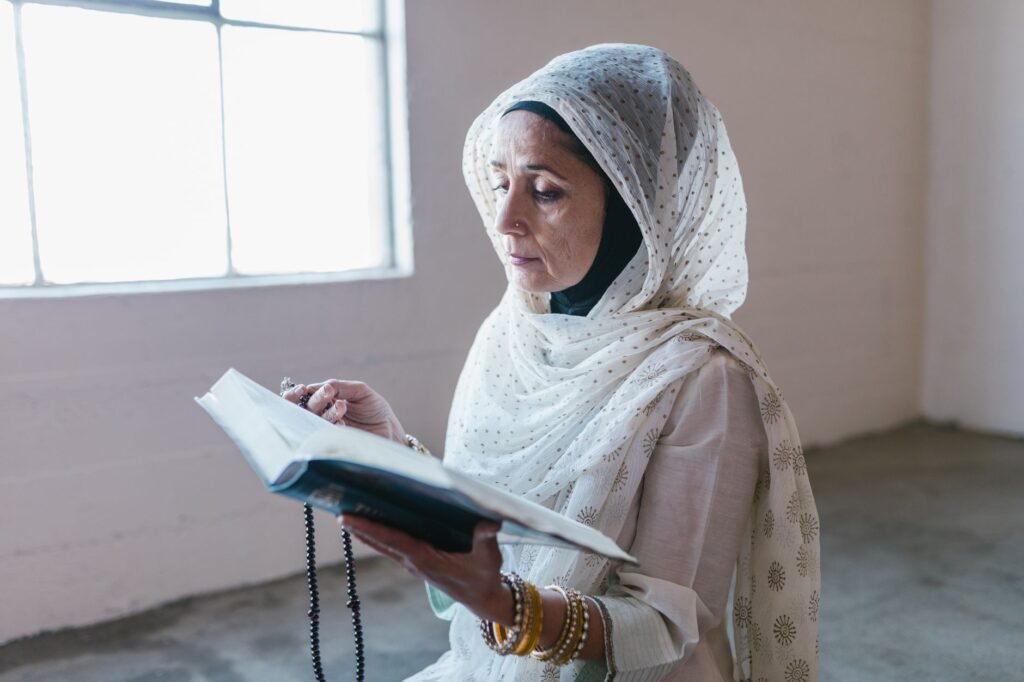
Developing Resilience Through Faith
Resilience is the ability to bounce back from adversity, and faith plays a crucial role in developing this quality. Romans 5:3-5 outlines how suffering produces perseverance, perseverance character, and character hope. This progression highlights that challenges can lead to spiritual growth and increased resilience.
To build resilience, consider the following steps:
- Reflect on Past Experiences: Recall previous challenges and how God provided strength and guidance.
- Set Realistic Goals: Break down large problems into manageable steps, focusing on what can be done today.
- Maintain a Hopeful Outlook: Cling to the hope found in God’s promises, trusting that He is working even in difficult situations.
For instance, think of a person facing financial difficulties. By reflecting on God’s faithfulness in the past and setting small financial goals, they can develop resilience and peace, trusting that God will provide.
Practicing Mindfulness and Stillness
In our busy lives, taking moments for mindfulness and stillness can significantly impact our peace. Psalm 46:10 invites us to “Be still, and know that I am God.” This stillness allows space for God’s presence and peace to fill our hearts.
- Engage in Quiet Reflection: Spend time in silence, focusing on God’s goodness and love.
- Practice Deep Breathing: Use deep breathing exercises to calm anxious thoughts and center your mind on God.
- Take Nature Walks: Spend time outdoors to appreciate God’s creation and find tranquility.
Consider how a busy parent might feel overwhelmed with daily responsibilities. By dedicating a few moments each day to reflect and breathe deeply, they can cultivate inner peace and a clearer perspective on their challenges.
Recognizing God’s Sovereignty
The Nature of God’s Sovereignty
Understanding God’s sovereignty is crucial when seeking peace in difficult circumstances. Sovereignty refers to God’s ultimate authority over all creation, as emphasized in Psalms 103:19, which states, “The Lord has established his throne in heaven, and his kingdom rules over all.” This assurance allows believers to trust that God is in control, even when life seems chaotic. Recognizing His sovereignty can shift our perspective from fear to faith, reminding us that God is aware of our struggles and has a divine purpose for them.
When we view our challenges through the lens of God’s sovereignty, we can find comfort in knowing that nothing happens outside of His will. This belief is echoed in Romans 8:28: “And we know that in all things God works for the good of those who love him, who have been called according to his purpose.” Here are ways to deepen your understanding of His sovereignty:
- Reflect on the attributes of God, such as His omniscience, omnipotence, and omnipresence.
- Study biblical accounts where God’s sovereignty is evident, such as Joseph’s story in Genesis 50:20.
- Engage in discussions with fellow believers about how they perceive God’s role in their lives during tough times.
Trusting God in Uncertainty
Peace often eludes us in uncertain times. However, trusting God amidst uncertainty can pave the way for lasting peace. In Proverbs 3:5-6, we are instructed, “Trust in the Lord with all your heart and lean not on your own understanding; in all your ways submit to him, and he will make your paths straight.” This scripture encourages us to relinquish control and trust in God’s perfect plan.
To cultivate trust, consider these practical steps:
- Daily surrender your worries to God through prayer.
- Keep a journal of instances where God has guided you through uncertainty.
- Memorize verses that reinforce trust, such as Isaiah 26:3: “You will keep in perfect peace those whose minds are steadfast because they trust in you.”
As you practice these steps, remind yourself that God’s plans are often beyond our comprehension, as noted in Isaiah 55:8-9: “For my thoughts are not your thoughts, neither are your ways my ways, declares the Lord.” This reminder can bring comfort as we navigate through life’s unpredictability.

Finding Hope Through Worship
The Power of Worship in Troubling Times
Worship serves as a powerful tool for finding peace in difficult situations. Engaging in worship shifts our focus from our problems to God’s greatness. Psalms 95:1-2 encourages us to “Come, let us sing for joy to the Lord; let us shout aloud to the Rock of our salvation. Let us come before him with thanksgiving and extol him with music and song.” This act of worship can provide immediate comfort and peace.
Here are some ways to incorporate worship into your daily life:
- Listen to worship music that uplifts your spirit.
- Join a worship service, either in-person or online, to experience communal worship.
- Engage in personal worship through singing, writing songs, or creating art that glorifies God.
<h3The Role of Worship in Shaping Perspective
Worship not only provides peace but also helps shift our perspective during trials. In Psalms 22:3, it is stated, “Yet you are enthroned as the Holy One; you are the one Israel praises.” Focusing on God’s holiness and majesty reminds us that our struggles are temporary compared to His eternal nature.
Additionally, worship can renew our minds and strengthen our faith. Romans 12:2 instructs us, “Do not conform to the pattern of this world, but be transformed by the renewing of your mind. Then you will be able to test and approve what God’s will is, his good, pleasing and perfect will.” Through worship, we can cultivate a mindset aligned with God’s purposes, allowing His peace to fill our hearts.
Actively Seeking God’s Presence
The Importance of Seeking God
In our search for peace, actively seeking God’s presence is essential. James 4:8 states, “Come near to God and he will come near to you.” This promise assures us that God desires a relationship with us, and He is always ready to respond to our pursuit. Identifying ways to actively seek God can enhance our sense of peace during trials.
Consider these methods for seeking God’s presence:
- Set aside dedicated time for quiet reflection and prayer.
- Read devotionals that encourage deeper intimacy with God.
- Participate in community activities that promote spiritual growth.
Experiencing God in Everyday Life
Finding peace often comes from recognizing God’s presence in everyday moments. 1 Chronicles 16:11 encourages us, “Look to the Lord and his strength; seek his face always.” By being mindful of God’s hand in our daily experiences, we can cultivate a deeper sense of peace.
Here are some practical ways to experience God in your life:
- Practice gratitude by acknowledging the small blessings each day.
- Engage in acts of service that reflect God’s love to others.
- Be intentional about recognizing God’s creation in nature, which can bring tranquility and awe.
As you seek God earnestly, remember the promise of Matthew 7:7: “Ask and it will be given to you; seek and you will find; knock and the door will be opened to you.” This assurance can instill hope and peace as you navigate through life’s difficulties.
Frequently Asked Questions
What does the Bible say about peace?
The Bible speaks extensively about peace, emphasizing it as a gift from God. Philippians 4:7 states that the peace of God guards our hearts and minds in Christ Jesus.
How can I pray for peace?
Pray specifically for God’s peace to fill your heart during trials. Use verses like Philippians 4:6-7 as a guide, thanking God for His presence and asking for calm amidst chaos.
What practical steps can I take for peace?
Engage in prayer, read Scripture, seek community support, practice gratitude, and embrace mindfulness. These practices can help cultivate a deeper sense of peace.
Can peace be found in suffering?
Yes, peace can be found in suffering. Romans 5:3-5 teaches that suffering produces perseverance, character, and hope, which can lead to a profound sense of peace rooted in faith.
The Bottom Line
Finding peace in difficult circumstances is possible through reliance on God, prayer, community support, and a mindset of gratitude. By intentionally focusing on God’s promises and cultivating spiritual practices, believers can experience profound peace even amidst life’s challenges.
For further study on this topic, BibleGateway is a helpful resource: https://www.biblegateway.com/
Keep Exploring Scripture
Continue your Bible study with our collection of Scripture tools, topics, people, places, and study resources.
Explore Bible Study ToolsYou May Also Like

How to Do Small Things With Great Love According to Scripture
Learn how to do small things with great love according to Scripture, drawing inspiration…

How to Share the Gospel According to Scripture
Learn practical ways to share the Gospel according to Scripture, grounded in biblical truth…

What Does the Bible Say About the Sabbath Rest?
Learn what the Bible says about the Sabbath Rest, its significance, and how it…

How to Know God’s Forgiveness According to Scripture
Discover how to know God's forgiveness according to Scripture, including key verses and practical…

How Can Christians Show More Kindness According to Scripture
Learn practical ways Christians can show more kindness according to Scripture, with insights and…

How to Discern If a Decision Is From God According to Scripture
Learn how to discern if a decision is from God according to Scripture with…
Join the Conversation