
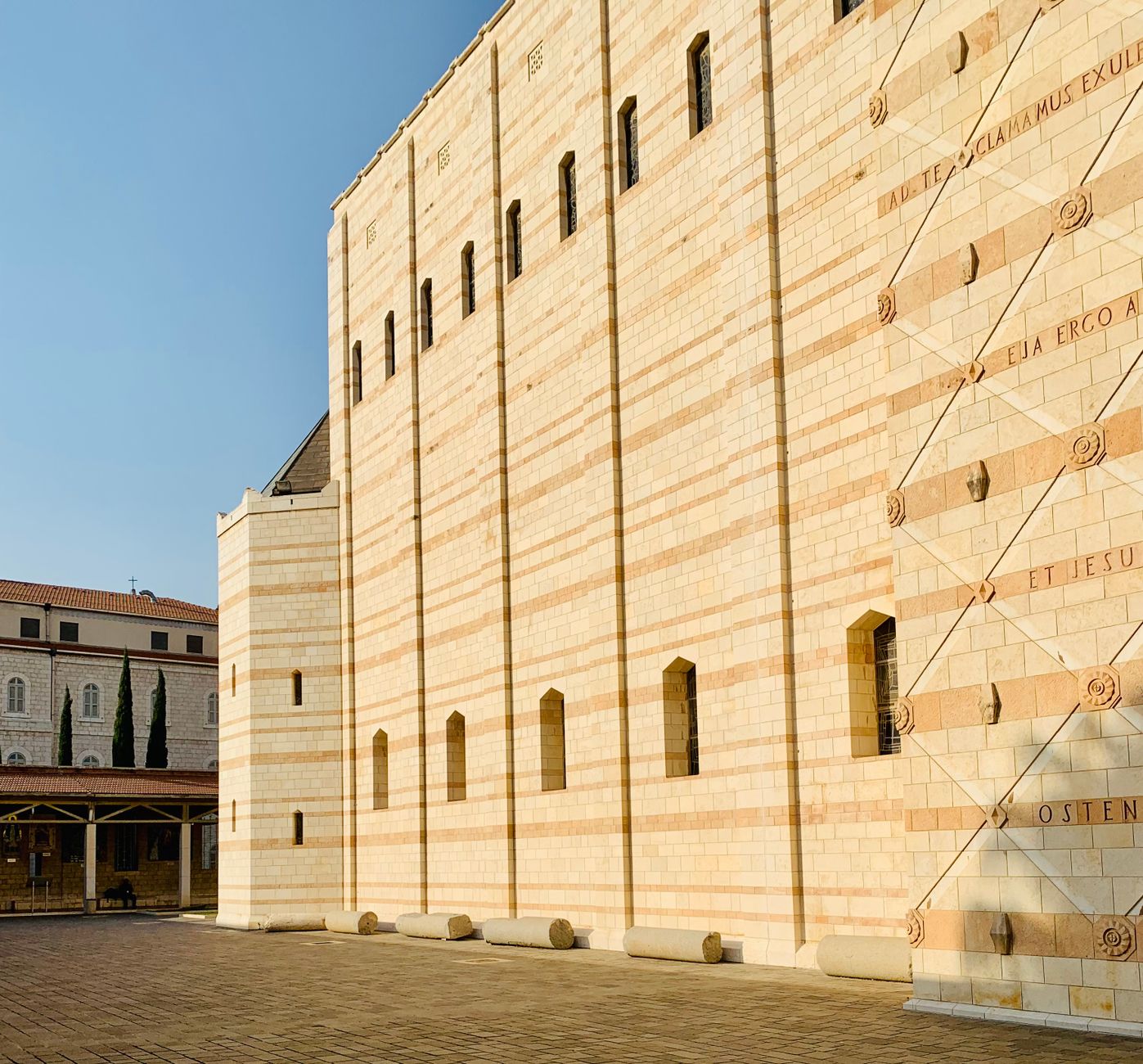
Mary, the mother of Jesus, was a young woman from Nazareth chosen to carry and raise the Son of God, her willing response to an extraordinary, disruptive calling establishing her as one of the most significant figures in the entire New Testament narrative.
Luke 1:28 records the angel Gabriel's greeting to her: "hail, thou that art highly favoured, the Lord is with thee." Mary is understandably troubled by the greeting, and Gabriel explains she would conceive and bear a son named Jesus, who would be called the Son of the Highest, reigning on David's throne forever.
Mary's response, given the very real social risk a pregnancy outside marriage carried in her culture, remains one of Scripture's clearest pictures of willing submission to God's calling: "behold the handmaid of the Lord; be it unto me according to thy word."
Mary's song of praise, traditionally called the Magnificat, spoken during her visit to her relative Elizabeth, reflects deep familiarity with Old Testament Scripture and a striking theological awareness of God's pattern of exalting the humble and bringing down the proud.
Mary experiences profound joy at Jesus' birth alongside genuine hardship, traveling to Bethlehem for the census while heavily pregnant, giving birth in circumstances requiring a manger, and later fleeing with Joseph to Egypt to escape Herod's murderous decree against young children.
Simeon's prophecy at Jesus' dedication in the temple warns Mary directly that "a sword shall pierce through thy own soul also," a warning fulfilled most completely at the crucifixion, where Mary stands at the foot of the cross witnessing her son's death, and where Jesus, even in His suffering, arranges for John to care for her.
Mary is present with the disciples in the upper room following Jesus' ascension, praying together with them as they await the promised Holy Spirit, placing her among the earliest, ongoing community of believers rather than as a figure who disappears from the story after Jesus' childhood.
Mary's own words at the wedding at Cana, instructing the servants regarding Jesus, "whatsoever he saith unto you, do it," have often been read as summarizing her broader posture throughout the Gospels, consistent trust and pointing others toward her son rather than toward herself.
5 passages, pulled live from the reader below.