
What Does “Maranatha” Mean?
The word “Maranatha” is a short but powerful biblical expression that points Christians toward the return of Jesus Christ. Although the word appears only once in the New Testament in its exact form, its meaning has had a significant influence on Christian worship, teaching, and hope throughout history. For many Christians, “Maranatha” is more than […]


The word “Maranatha” is a short but powerful biblical expression that points Christians toward the return of Jesus Christ. Although the word appears only once in the New Testament in its exact form, its meaning has had a significant influence on Christian worship, teaching, and hope throughout history. For many Christians, “Maranatha” is more than an ancient expression. It is a declaration of faith, a prayer for Christ to return, and a reminder that the story of the Bible ultimately points toward the day when Jesus will come again.
The word can seem mysterious because it is not originally an English or Greek word in the same way as many other biblical terms. Maranatha comes from Aramaic, a language that was commonly spoken in the time of Jesus and the early church. The New Testament was primarily written in Greek, but certain Aramaic expressions were preserved because of their importance and because they were familiar among the earliest followers of Jesus.
The expression is particularly significant because the apostle Paul uses it in 1 Corinthians 16:22, where he writes, “If anyone does not love the Lord, let that person be accursed! Maranatha.” This brief statement connects the word with the Lord Jesus and with the expectation of His coming. Understanding what “Maranatha” means therefore helps us understand an important part of early Christian faith: Jesus is Lord, Jesus will come again, and believers should live in expectation of Him.
What Does “Maranatha” Mean in Simple Terms?
“Maranatha” is generally understood as an Aramaic expression meaning “Our Lord, come!” or “Come, Lord!” Depending on how the original Aramaic phrase is divided and understood, it can also be interpreted as “Our Lord has come” or “Our Lord is coming.” However, in the context of early Christian usage, the expression is most commonly understood as an appeal or prayer for the Lord to come.
This is why “Maranatha” is closely associated with the second coming of Jesus Christ. When early Christians used this expression, they were expressing their longing for Jesus to return and complete the work He had begun. It reflected the hope that Jesus, who had died and risen again, would ultimately return and establish His kingdom in its fullness.
The expression therefore carries both faith and expectation. It looks back at who Jesus is and what He has accomplished, while also looking forward to His promised return.
Where Does the Word “Maranatha” Come From?
“Maranatha” comes from Aramaic, which was widely spoken in the first-century Jewish world. Aramaic was particularly important in the cultural and linguistic environment in which Jesus and His earliest followers lived.
The word itself is commonly explained as being formed from Aramaic elements related to “Lord” and “come.” The exact grammatical division has been discussed by scholars, which is why you may encounter slightly different explanations of its meaning. Some understand it as “Marana tha,” meaning something like “Our Lord, come!” Others divide it as “Maran atha,” which can be understood as “Our Lord has come.”
The most common Christian understanding, particularly when the word is used as a prayer, is “Come, Lord!” or “Our Lord, come!”
This linguistic background is important because it shows that “Maranatha” was not simply a later Christian invention. It was an expression rooted in the language and worship of the early Christian community.
Where Is “Maranatha” Found in the Bible?
The word “Maranatha” appears explicitly in 1 Corinthians 16:22. At the conclusion of Paul’s first letter to the church in Corinth, he writes:
“If anyone does not love the Lord, let that person be accursed! Maranatha.”
Paul’s use of the Aramaic expression is striking because the rest of the letter was written in Greek. This suggests that “Maranatha” may have been a familiar expression within early Christian worship or confession.
The fact that Paul preserves the Aramaic expression instead of translating it into Greek may indicate that the phrase had become a recognized part of Christian language. It could have been used in prayers, worship, or gatherings of believers who were waiting for Christ’s return.
Although the word itself appears only once in the New Testament, the idea behind Maranatha appears throughout the New Testament. Jesus taught about His return, the apostles preached about His coming, and early Christians were repeatedly encouraged to remain watchful and faithful while waiting for Him.
What Does “Maranatha” Mean in 1 Corinthians 16:22?
To understand Paul’s use of “Maranatha,” it is important to consider the context of 1 Corinthians. Paul’s letter addresses many problems within the Corinthian church, including division, immorality, disputes, confusion about spiritual gifts, and misunderstandings about the resurrection.
Near the end of the letter, Paul gives a strong warning concerning those who do not love the Lord and then uses the expression “Maranatha.”
The statement communicates the seriousness of belonging to Christ. Jesus is not merely a teacher whom Christians admire. He is Lord, and His return is something that should shape the way His followers live.
The expression can therefore be understood as a declaration that Christ’s return matters. Christians are not simply waiting for an unknown future event. They are waiting for their Lord.
Is “Maranatha” a Prayer?
Yes, when understood as “Our Lord, come!”, Maranatha functions as a prayer or expression of longing.
It is similar in meaning to the words found near the end of Revelation, where the apostle John records the response of the church to Jesus’ promise that He is coming soon:
“Amen. Come, Lord Jesus!”
This connection is important because it demonstrates that longing for Christ’s return is not a strange or secondary idea in Christianity. It is deeply connected to biblical hope.
When Christians say “Maranatha,” they can be expressing a desire for Jesus to return, bring His kingdom to completion, defeat evil, establish justice, and fully restore creation.
It is therefore both a prayer and a declaration of hope.
Why Did Early Christians Long for Jesus to Return?
The early Christians had experienced the death, resurrection, and ascension of Jesus, but they also believed that He had promised to return. Their faith therefore had a forward-looking dimension.
They were living between two great events: Christ had already come, and Christ was expected to come again.
This created a unique sense of hope. Christians believed that Jesus’ resurrection demonstrated His victory over death, but they also looked forward to the day when that victory would be fully revealed.
For early believers who experienced persecution, suffering, injustice, and uncertainty, the expectation of Christ’s return provided encouragement. Their present circumstances were not the final chapter. They believed that Jesus would ultimately return and that God’s purposes would be fulfilled.
“Maranatha” captures that expectation in just one word.
What Does Maranatha Teach About the Second Coming?
Maranatha points directly toward the second coming of Jesus Christ, one of the major themes of New Testament teaching.
Jesus repeatedly taught His disciples that He would return. In Matthew 24:30, He speaks about the Son of Man coming with power and great glory. The apostles also taught believers to live with an expectation of Christ’s return.
The second coming is important because Christianity does not teach that Jesus’ earthly ministry ended permanently when He ascended into heaven. His resurrection and ascension point toward a future in which He will return.
The exact timing of Christ’s return is not given to humanity. Jesus warned His followers to remain watchful because they did not know the day or hour. This means that “Maranatha” should not be used as a tool for predicting dates or creating fear about specific events.
Instead, it is a reminder to remain spiritually prepared.
Does Maranatha Mean “Jesus Is Coming Soon”?
The expression is closely associated with the expectation that Jesus will come again, but Christians should be careful about using it to make specific predictions about when that will happen.
The New Testament repeatedly teaches that believers should be ready for Christ’s return, but it does not give them permission to calculate a specific date. Jesus Himself emphasized the importance of watchfulness rather than date-setting.
Therefore, when Christians say “Maranatha,” the focus should not be on trying to determine whether Jesus will return on a particular day, month, or year.
The focus should be on living faithfully while waiting for Him.
The phrase reminds believers that Christ’s return is a future reality that should influence their present lives.
How Does Maranatha Relate to Christian Hope?
Christian hope is not simply optimism that things will eventually get better. Biblical hope is confidence in God’s promises.
Maranatha expresses this kind of hope because it looks forward to the return of Jesus and the fulfillment of God’s purposes.
Christians may experience suffering, disappointment, injustice, loss, uncertainty, and persecution, but the message of Christ’s return reminds them that these things do not have the final word.
The Christian story does not end with suffering.
It does not end with death.
It does not end with injustice.
It does not end with the brokenness of the present world.
The Bible points toward restoration, resurrection, judgment, and the establishment of God’s kingdom.
“Maranatha” therefore becomes a declaration that the present world is not the final reality.
What Does Maranatha Teach Us About Jesus?
The expression itself contains an important statement about Jesus: He is Lord.
The phrase does not say merely, “Jesus, come.” It identifies Him as Lord. This reflects one of the central claims of early Christianity.
Jesus was not simply regarded as a moral teacher or religious leader. The early Christians confessed Him as Lord and Messiah, and their worship centered around Him.
Calling Jesus “Lord” means recognizing His authority and submitting to Him.
Therefore, Maranatha is not only about the event of Christ’s return. It is also about the identity of the One who is returning.
The One Christians are waiting for is their Lord.
This means that the phrase should influence our present lives just as much as our understanding of the future.
How Should Christians Live If They Believe “Maranatha”?
If “Maranatha” means “Our Lord, come,” then saying it sincerely should affect the way we live today.
The expectation of Christ’s return should encourage believers to remain faithful rather than becoming careless. Jesus repeatedly used the language of watchfulness when teaching about His return. The point was not that His followers should spend all their time trying to predict when He would come. Instead, they should remain faithful regardless of when He comes.
This means living with integrity even when nobody is watching, loving others even when it is difficult, resisting temptation, remaining faithful to Christ, and using our time and resources in ways that honor God.
A person who genuinely expects to meet the Lord should want their life to reflect their relationship with Him.
Maranatha therefore has a practical message: live today in light of Christ’s return.
Does Maranatha Mean Christians Should Stop Planning for the Future?
No. Believing that Jesus will return does not mean that Christians should abandon ordinary responsibilities or stop planning for the future.
The New Testament teaches believers to work, serve, provide for their families, care for others, and live responsibly. Expecting Christ’s return should not produce irresponsibility.
Instead, it should change our priorities.
Christians can make plans while remembering that God is ultimately in control. They can build careers, raise families, serve their communities, pursue education, start businesses, and work toward long-term goals while recognizing that their ultimate hope is not found in earthly achievements.
Maranatha reminds believers that earthly accomplishments are temporary, while God’s kingdom is eternal.
Is Maranatha About Fear or Hope?
Maranatha is fundamentally an expression of hope, although the Bible also presents Christ’s return as a serious event involving judgment.
For those who belong to Christ, the return of Jesus is something to anticipate with hope. The apostle Paul repeatedly encouraged believers with the expectation of Christ’s return and the resurrection.
For those who reject God, the Bible presents Christ’s return as a time of judgment. This is why Scripture combines hope and seriousness when discussing the second coming.
However, Christians should not use Maranatha primarily as a frightening slogan. Its original significance is much richer. It expresses the longing of people who believe that Jesus is Lord and who desire to see His kingdom fully revealed.
What Is the Connection Between Maranatha and “Come, Lord Jesus”?
The closest biblical parallel to Maranatha is found in Revelation 22:20, where Jesus says that He is coming soon and the response is:
“Amen. Come, Lord Jesus!”
This is essentially the same longing expressed by the phrase “Maranatha.”
Both expressions communicate anticipation of Christ’s return.
Both recognize Jesus as Lord.
Both express confidence in His promise.
Both look beyond the present world toward the fulfillment of God’s kingdom.
This connection helps modern Christians understand why Maranatha became such an important expression of Christian hope. It is not simply an interesting ancient word. It summarizes a major biblical expectation.
What Does Maranatha Mean for Someone Going Through Difficult Times?
For someone experiencing hardship, Maranatha can serve as a reminder that present circumstances are not the end of the story.
The Bible does not promise that Christians will never suffer. Jesus warned His followers about difficulties, and the apostles themselves experienced persecution, imprisonment, rejection, and suffering. Yet their hope was not based on the belief that life on earth would always be comfortable.
Their hope was rooted in Christ.
When a Christian says “Maranatha” during a difficult season, the expression can become a declaration of trust: “Lord, I am waiting for You. I believe You will fulfill Your promises. I know that this present suffering is not the final word.”
This does not mean that Christians should ignore their pain or pretend that difficult circumstances do not matter. Rather, it means that suffering is placed within the larger story of God’s promises.
What Does Maranatha Mean for the Church?
Maranatha can also remind the church of its shared identity and mission.
The church is a community of people who believe in Christ’s death, resurrection, ascension, and promised return. The expectation of His return should encourage believers to remain united, faithful, and committed to the mission Jesus gave them.
Instead of becoming consumed by arguments over minor issues, Christians are called to keep their attention on Christ.
Instead of becoming obsessed with worldly status, believers are reminded that Christ’s kingdom is greater than earthly kingdoms.
Instead of losing hope when the world appears increasingly broken, the church remembers that Jesus will ultimately return.
Maranatha can therefore function as a reminder of what Christians have in common: Jesus is Lord, and His kingdom is coming.
What Does Maranatha Mean in Christian Worship Today?
Many Christians and churches use “Maranatha” in worship, songs, prayers, sermons, and Christian literature. When used properly, the expression can serve as a concise reminder of the Christian hope in Christ’s return.
Using the word does not require someone to know Aramaic or understand every detail of its linguistic history. What matters is understanding the biblical truth behind it.
When someone says “Maranatha,” they can be expressing their love for Christ, their confidence in His promise, and their desire for His return.
However, the phrase should not become an empty religious expression. Saying “Maranatha” should encourage believers to think about what it means to live as people who are waiting for their Lord.
Frequently Asked Questions About Maranatha
What does Maranatha mean?
“Maranatha” is an Aramaic expression traditionally understood in Christian usage as “Our Lord, come!” or “Come, Lord!” It is associated with the expectation of Jesus Christ’s return and expresses the longing of believers for their Lord to come again.
Where does Maranatha appear in the Bible?
The word “Maranatha” appears explicitly in 1 Corinthians 16:22, where Paul uses the expression at the conclusion of his letter to the Corinthian church. The exact word is rare, but the idea behind it appears throughout the New Testament in passages concerning Christ’s return.
Is Maranatha Hebrew or Greek?
Maranatha is generally identified as an Aramaic expression rather than a Greek or Hebrew word. Aramaic was commonly spoken in the first-century Jewish world and among the earliest followers of Jesus.
Does Maranatha mean “Come, Lord Jesus”?
Yes. This is the most common Christian understanding of the expression. It expresses a longing for Jesus Christ to return and is closely related to the words “Come, Lord Jesus” found in Revelation 22:20.
Does Maranatha mean Jesus has already come?
There is a linguistic interpretation of the Aramaic expression that understands it as meaning “Our Lord has come.” However, in Christian tradition and in the context of the expectation of Christ’s return, “Maranatha” is most commonly understood as an appeal such as “Our Lord, come!”
Is Maranatha about the second coming of Jesus?
Yes. The expression is strongly associated with the Christian expectation of Christ’s second coming. It expresses the desire for Jesus to return and fulfill God’s promises concerning His kingdom.
Should Christians use the word Maranatha today?
Christians can certainly use the expression if they understand and appreciate its meaning. Saying “Maranatha” can be a meaningful way of expressing hope in Christ’s return. However, the important thing is not simply saying the word but living with the faith, hope, and readiness that it represents.
Does Maranatha mean Christians should predict when Jesus will return?
No. The Bible encourages believers to remain watchful and prepared but does not give them permission to set dates for Christ’s return. Maranatha should inspire faithful living and hope rather than speculation and date-setting.
Why is Maranatha important to Christians?
Maranatha is important because it captures a central Christian hope: Jesus Christ is Lord, and He will come again. It reminds believers that their hope is not ultimately tied to present circumstances and encourages them to remain faithful while waiting for Christ.
Conclusion: What Does “Maranatha” Really Mean?
“Maranatha” means “Our Lord, come!” in its most widely accepted Christian understanding. It is an ancient Aramaic expression that appears in 1 Corinthians 16:22 and reflects the faith and expectation of the early Christian community. Although the word itself appears only once in the New Testament, the truth it expresses runs throughout the teachings of Jesus and the apostles.
Maranatha points believers toward the return of Jesus Christ. It reminds Christians that Jesus’ resurrection and ascension were not the end of the biblical story. The New Testament teaches that Christ will come again, and believers are encouraged to live faithfully while they wait for Him.
The word also reminds us that Jesus is not merely someone Christians remember from history. He is Lord. The early church looked forward to His return because they believed that He would ultimately establish His kingdom, bring justice, defeat evil, and fulfill God’s promises.
For Christians facing suffering, uncertainty, or disappointment, Maranatha offers a powerful reminder that the present world is not the final chapter. Pain does not have the final word. Injustice does not have the final word. Death does not have the final word. The Christian hope ultimately rests in Christ and His promised return.
At the same time, saying “Maranatha” should not simply be an expression of wanting to escape the world. It should encourage believers to live faithfully in the world while waiting for Christ. Christians are called to love others, serve faithfully, pursue holiness, share the gospel, and remain committed to Christ regardless of how long they must wait.
Maranatha therefore brings together faith, hope, worship, and expectation. It looks back at the Lord who came, looks at the Lord who reigns, and looks forward to the Lord who will come again.
Maranatha: Our Lord, come.
Keep Exploring Scripture
Continue your Bible study with our collection of Scripture tools, topics, people, places, and study resources.
Explore Bible Study ToolsYou May Also Like

What Can the Psalms Teach Us About Processing Grief?
The Psalms offer a biblical template for honest lament, hopeful trust, and communal mourning,…
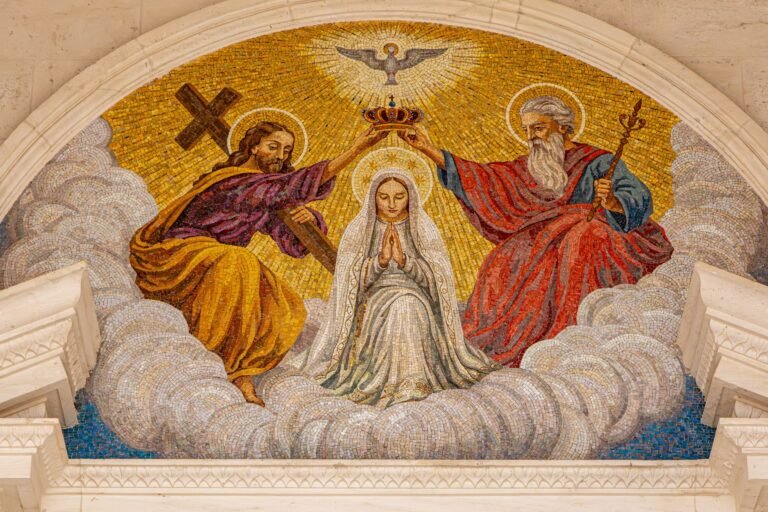
Why Is the Trinity Difficult to Understand?
The doctrine of the Trinity is a core Christian confession yet it remains a…
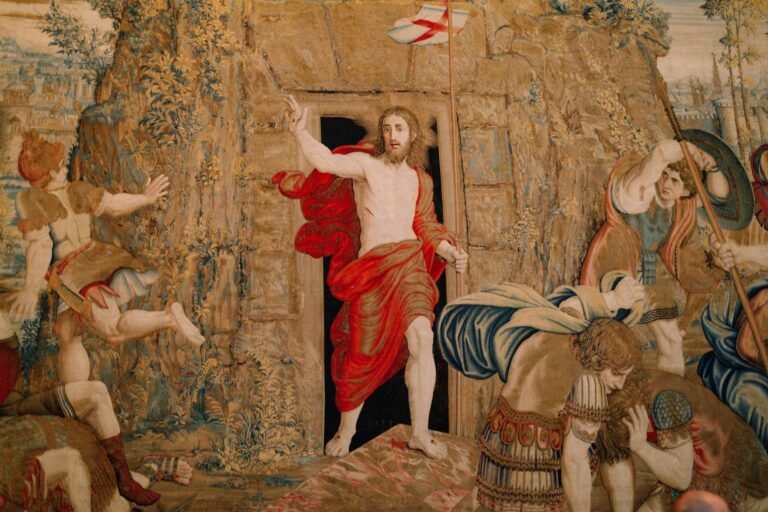
What Does the Resurrection Prove?
The resurrection of Jesus Christ is the cornerstone of Christian faith, and Scripture repeatedly…

Why Is the Gospel Difficult for Some People to Understand?
The gospel is simple in its core truth yet often feels opaque because of…
What Does It Mean That Jesus Saves Us From Sin?
A careful look at Scripture reveals that Jesus’ saving work frees us from the…

Why Does God Require a Sacrifice for Sin?
Understanding the biblical mandate for sacrifice reveals God’s justice, mercy, and the fulfillment of…
Join the Conversation