
What Is the Difference Between Faith and Belief?
While often used interchangeably, faith and belief carry distinct meanings in the Christian context, particularly in relation to Scripture. Understanding their differences can deepen our spiritual journey and enhance our relationship with God.

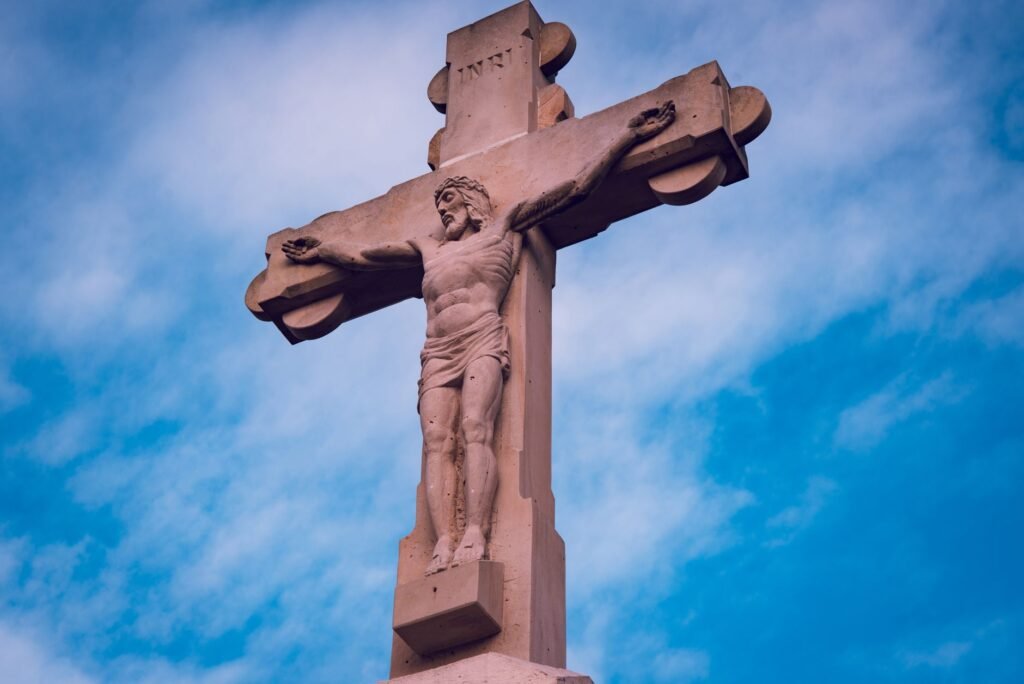
Short answer: Faith is a deep trust in God that goes beyond mere belief. Hebrews 11:1 defines faith as 'the substance of things hoped for, the evidence of things not seen.' This relationship involves reliance on God's promises and guidance in our lives.
Key Takeaways
- Belief is intellectual; faith is relational.
- Faith grows through trust and action.
- Doubt can coexist with genuine faith.
- Community nurtures and strengthens faith.
The Definitions of Faith and Belief
To explore the difference between faith and belief, we must first examine how each term is defined in a Christian context. Belief is generally understood as an acceptance that something is true or exists. It often pertains to cognitive assent to a set of propositions. For instance, one may believe in the historical facts of Jesus’ life, such as His crucifixion and resurrection. This kind of belief is akin to acknowledging a fact; it requires no relational engagement or personal transformation. It is an important first step, yet it remains at the intellectual level of understanding.
Faith, on the other hand, extends beyond mere intellectual agreement. It embodies trust, reliance, and confidence in God. The word for faith in Hebrew, “emunah,” conveys a sense of stability and firmness. The New Testament emphasizes this relational aspect; for example, Hebrews 11:1 states, “Now faith is the substance of things hoped for, the evidence of things not seen.” Here, faith is not only about believing in facts but also about nurturing a trustful relationship with God. It suggests a deep-rooted commitment that manifests itself through actions and life choices.
When considering faith and belief, we can liken the two to a bridge over a deep chasm. Belief is the structure itself, limiting but foundational, while faith is the act of crossing over it, representing the lived experience and relationship with God. Understanding these definitions sets the stage for exploring the nuances in Scripture, how they play out in our lives, and their implications for our spiritual journeys.
Scriptural Insights into Belief
The Bible presents several instances highlighting belief and its significance. For example, in John 3:16, Jesus emphasizes, “For God so loved the world that He gave His only begotten Son, that whoever believes in Him should not perish but have everlasting life.” This verse speaks to the necessity of believing in Christ for salvation. This scriptural assertion underscores that belief is required for entrance into eternal life, a beautiful truth. Yet, it falls short of expressing the depth of trust and commitment required from a person; it merely introduces the beginning of a relationship.
Belief can serve as a preliminary step towards faith. In James 2:19, we read, “You believe that there is one God. You do well. Even the demons believe, and tremble!” This highlights a critical point: that believing factual truths does not equate to the engagement of faith. The demons believe in God’s existence but lack the relational trust that constitutes authentic faith. This squarely sets up a dichotomy between the mere acknowledgment of God and an active, living relationship with Him.
Consider the various references to belief in the Old Testament. Isaiah 11:2 speaks of the Spirit of the Lord resting upon the Messiah, characterized by wisdom, understanding, counsel, and might. These attributes point toward a deeper context of belief that involves not just acknowledgment but also the trust and reliance upon God’s divine nature and promises. As we explore these concepts, we see that belief functions as the groundwork for developing faith, laying the foundation upon which a deeper relational trust can be constructed.

The Depths of Faith
Faith, as it permeates Scripture, is inherently transformative. Romans 10:17 states, “So then faith comes by hearing, and hearing by the word of God.” This emphasizes the dynamic process through which faith grows. A relationship with God often begins when a person hears the Gospel and begins to foster trust in Him and His promises. This illustrates that faith is not static; it is an evolving journey that grows as we immerse ourselves in the Scriptures and cultivate our connection with God.
Additionally, faith in the Christian context is often linked with action. Galatians 5:6 teaches, “For in Christ Jesus neither circumcision nor uncircumcision avails anything, but faith working through love.” This verse illustrates that genuine faith expresses itself through love and action, effectively demonstrating that faith moves beyond mental acceptance and translates into how one lives and interacts with others. The lived experience of faith is marked by tangible manifestations in one’s life, highlighting that true faith must influence our behavior and choices.
The transformative nature of faith can be observed through various Biblical figures who exhibited profound trust in God despite unforeseen challenges. For instance, consider Abraham. In Hebrews 11:8, it is written, “By faith Abraham obeyed when he was called to go out to the place which he would receive as an inheritance. And he went out, not knowing where he was going.” This illustrates that faith involves stepping into the unknown, trusting in God’s guidance and provision, which profoundly shapes the course of our lives.
Real-Life Example: The Journey from Belief to Faith
To better illustrate the differences between belief and faith, consider the journey of an individual seeking spiritual fulfillment. Imagine someone who grew up in a Christian household and accepted the idea of God, perhaps attending church regularly and participating in religious activities. Initially, this person may have merely believed in God, acknowledging His existence and the stories of the Bible as factual accounts. However, as life challenges arise, whether it be loss, suffering, or personal crises, this individual’s belief may face scrutiny.
At one point, this person might experience a significant life event, such as the death of a loved one or a severe health scare. In these moments, the questions and doubts about God’s goodness and existence can surge. It is here that the individual must choose whether to deepen their belief into a relationship rooted in faith. Many find themselves wrestling with these dilemmas; they might question, “Why would God allow this suffering?” As they grapple with these questions, they may begin to seek answers through prayer, the Scriptures, and their community.
For instance, consider the experience of someone who spends weeks questioning their faith after losing a job. They might find themselves in a low moment, feeling abandoned and doubting God’s providential care. However, when they turn to God in prayer and reflect upon passages like Philippians 4:6-7, “be anxious for nothing, but in everything by prayer and supplication, with thanksgiving, let your requests be made known to God; and the peace of God, which surpasses all understanding, will guard your hearts and minds through Christ Jesus”, they start to experience transformative moments. It can be during these periods of prayerful reflection that belief morphs into faith as they learn to rely on God for comfort and answers, ultimately leading to a more profound, relational experience with Him.
Faith as a Journey
Faith is often portrayed in the Bible as a journey rather than a destination. In 2 Corinthians 5:7, it states, “For we walk by faith, not by sight.” This metaphor of walking represents the ongoing nature of faith. It suggests that faith may not always come easy; it requires persistent movement towards God, trusting His plan and timing. Walking implies progress, suggesting that faith is a dynamic experience filled with trials, growth, and moments of revelation.
The life of Abraham provides one of the clearest examples in Scripture of faith as a journey. Romans 4:20-21 notes, “He did not waver at the promise of God through unbelief, but was strengthened in faith, giving glory to God, and being fully convinced that what He had promised He was also able to perform.” Abraham’s life showcases a continual trust and reliance on God, culminating in his designation as the father of faith.
Moreover, the journey of faith often includes gradual transformations where individuals move from childhood belief into a richer, adult understanding of God’s nature. After the initial belief, believers embark upon a path that requires a deeper commitment to live out their faith actively. For example, a college student, raised in a Christian environment, might begin by believing in Christian morals and values. Still, as they encounter diverse philosophies and worldviews, they embark on a process of wrestling through their previously held beliefs. This critical juncture could lead them to either reinforce their faith through examination or allow them to drift away from it.

The Role of Doubt
Understanding that doubt can coexist with faith is crucial. Doubts do not necessarily signify a lack of faith; rather, they can be a natural part of the faith journey. In Mark 9:24, we encounter a father whose child is suffering. He exclaims, “Lord, I believe; help my unbelief!” This plea is profound, reflecting the tension between belief and the struggles that can accompany it. It acknowledges that even within faith, there may reside lingering doubts.
This prayer serves as a poignant reminder that faith often requires asking God for help in times of uncertainty. It’s essential to understand that faith is not a simplistic, unshakeable certainty; it is a reliance on God despite the uncertainties we face. This notion can provide comfort to those who find themselves in similar cries, affirming that walking closely with God does not necessarily eliminate doubt but encourages authenticity in the journey.
Consider the story of a woman grappling with the death of her spouse. She once held a strong belief in God’s goodness; however, faced with the agony of loss, she finds her faith shaken. She recognizes her struggle, voices her doubts in prayers steeped in anguish, and ultimately comes to experience God’s comfort through community support and Scripture. This phase illustrates that faith can emerge stronger through the journey of wrestling with doubt, forging a deeper connection with God.
The Community Aspect of Faith
Faith is often nurtured within the context of community. Hebrews 10:24-25 encourages believers to “consider one another in order to stir up love and good works, not forsaking the assembling of ourselves together, as is the manner of some, but exhorting one another, and so much the more as you see the Day approaching.” The communal aspect helps bolster individual faith by providing encouragement, accountability, and shared experiences. It is often within church communities that believers sharpen one another and grow in their trust of God.
In practical terms, being part of a faith community can provide substantial support when one’s beliefs are tested. For example, a church group might gather around a member facing a particularly challenging time, sharing testimonies of God’s faithfulness, praying together, and reminding one another of God’s promises. This relational dynamic reinforces the trust aspect inherent in faith. It embodies the principle seen in Ecclesiastes 4:9-10, which states, “Two are better than one, because they have a good reward for their labor. For if they fall, one will lift up his companion.” This speaks to the necessity of mutual support in strengthening our faith.
Furthermore, testimonies shared within a community can serve to bolster the faith of others. Picture this: an individual openly shares struggles with doubt, and through their vulnerability, another person, who felt isolated in their faith journey, finds the courage to voice their concerns and lean into a support system. Mutual encouragement in the community provides scaffolding during times of uncertainty and ultimately nurtures broader, deeper faith for everyone involved.
Theological Perspectives on Faith and Belief
The distinction between faith and belief has been explored by theologians throughout history. Some argue that belief can be a starting point that leads to faith, a necessary intellectual acknowledgment opening the door to a deeper spiritual relationship. Others emphasize that true faith must not be based solely on intellectual belief but also involves a personal commitment to the character and promises of God.
The teachings of theologian John Calvin emphasize the transformative aspect of faith. He argued that faith encompasses not only belief but also a heartfelt trust in God that influences life decisions and character. Calvin stated, “Faith alone justifies, but the faith that justifies is not alone.” This implies that faith, once grounded in belief, expresses itself through actions and choices. It necessitates that, for believers, their faith must produce tangible outcomes in their lives.
Similarly, the Apostle Paul emphasizes faith as an active entity, one that shapes not just personal piety but also communal responsibility. In Galatians 5:6, Paul critiques a legalistic faith that is merely belief in outward observance, stating that true faith works through love. This reinforces the understanding that faith must lead to action, navigating beyond the boundaries of mere belief into the realm of active love and kingdom-building.

The Implications of Faith and Belief on Daily Life
The differentiation between faith and belief is not merely academic; it carries significant implications for daily living. A Christian who believes the facts of the gospel without entering into faith may find their faith shallow and vulnerable to the trials of life. Conversely, when faith flourishes, even in the face of doubts, it empowers individuals to engage life’s challenges with hope and resilience.
Consider a teacher who believes in the importance of education. Their belief may drive them to seek out resources and best practices. However, if they possess faith in their calling, trusting that their work is part of a divine purpose, this belief transforms into a passionate commitment that motivates them through obstacles and inspires their students. Their faith influences their approach, leading them to advocate for underprivileged students or implement innovative teaching methods that expand their reach.
Furthermore, faith influences decision-making as it engenders an understanding that life choices have eternal significance. Every decision may be informed through the lens of faith, enhancing areas such as relationships, career paths, and moral dilemmas. When faced with ethical challenges at work, a person grounded in faith may choose integrity despite potential repercussions because they believe their actions align with their understanding of God’s character.
Additionally, the implications extend into the realm of mental health. A person navigating anxiety and depression may initially rely on belief in God’s goodness; yet, as they engage faith through prayer, community support, and Scripture, they begin to inhabit a more profound confidence in God’s provision for their well-being. As they explore passages like Isaiah 41:10, which says, “Fear not, for I am with you; be not dismayed, for I am your God,” they might find the transition from belief to faith yielding transformative change in their emotional landscape.
Faith and Belief in Prayer
Both faith and belief play essential roles in the practice of prayer. Belief may prompt a person to pray, acknowledging that God exists and hears their cries. Yet, faith is what energizes that prayer with hope. James 1:6 advises, “But let him ask in faith, with no doubting, for he who doubts is like a wave of the sea driven and tossed by the wind.” This highlights that genuine faith, resting in a relational understanding of God, is critical to effective prayer.
The relational aspect comes into play here again, as prayer becomes a means of expressing trust in God’s character. It serves as a conduit for communication with the divine, a place where believers can surrender their worries, seek guidance, and experience closeness with God. Through prayer, they cultivate a richer understanding of their faith as conversations with God deepen the bond formed through the initial belief.
Realistically, as one matures in faith, prayer may transition from asking God for signs or assistance to a more profound desire for relational closeness. A person might begin their journey of faith with prayers focused on their needs, asking for guidance or intervention
Frequently Asked Questions
What does the Bible say about faith?
The Bible defines faith as trust in God and His promises. Hebrews 11:1 states, 'Now faith is the substance of things hoped for, the evidence of things not seen.'
Can you have faith without belief?
Faith and belief are interconnected, but belief can exist without the relational trust of faith. Authentic faith grows from a foundation of belief.
How can I strengthen my faith?
Strengthening faith involves prayer, studying Scripture, and engaging with a supportive community. Acts 2:42 emphasizes the importance of fellowship and teaching.
What role does doubt play in faith?
Doubt can be a part of the faith journey, prompting deeper exploration and reliance on God. Mark 9:24 illustrates that faith can coexist with doubt.
The Bottom Line
Understanding the difference between faith and belief is essential for a fruitful Christian walk. Faith is a dynamic relationship with God that grows through trust and community. Embrace your journey of faith, knowing that both belief and doubt can lead you closer to Him.
Keep Exploring Scripture
Continue your Bible study with our collection of Scripture tools, topics, people, places, and study resources.
Explore Bible Study ToolsYou May Also Like
How Can I Stand Strong in My Faith?
Learn practical steps to stand strong in your faith through prayer, scripture, community, and…
How Can Faith Help During Dark Seasons?
Discover how faith can provide strength and guidance during dark seasons, as outlined in…
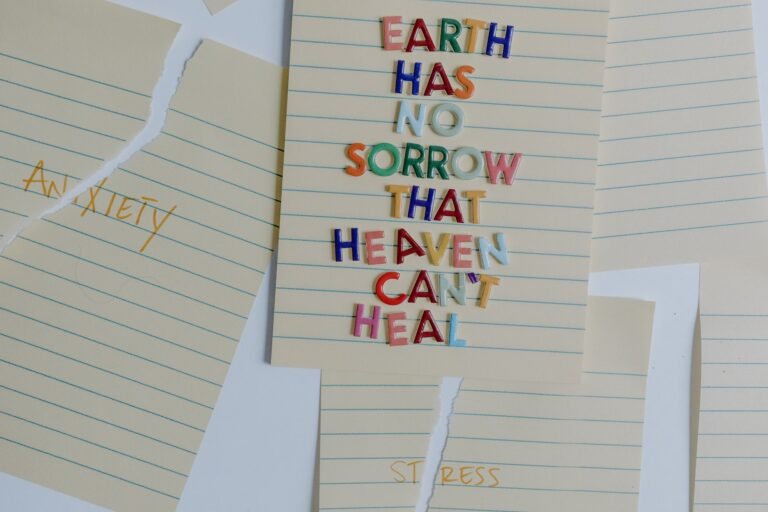
How Can Prayer Help With Anxiety?
How can prayer help with anxiety? Philippians 4:6-7 promises God's peace. Learn how to…

How Can I Overcome Fear With Faith?
How can you overcome fear with faith? Learn what the Bible says about fear,…

How Can I Keep Hope When Life Feels Hopeless?
Feeling hopeless? Learn how to keep hope when life is hard, with Bible verses,…

What Does the Bible Say About Hope?
What does the Bible say about hope? Biblical hope is a confident expectation in…
Join the Conversation