
Can Christians Live the Christian Life Alone?
Exploring biblical teachings on community, personal devotion, and the balance between solitude and fellowship, this post asks whether a believer can truly live out the Christian life in isolation.

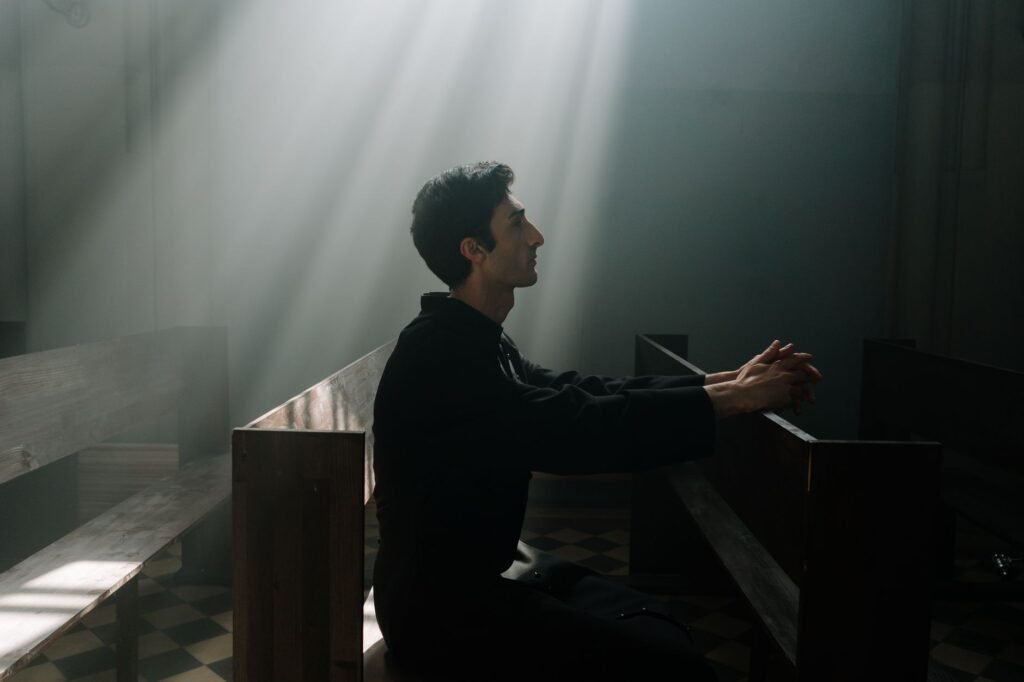
The Biblical Call to Community
From the very beginning of the church narrative, Scripture emphasizes that believers are not meant to walk alone. In the opening chapter of the book of Acts we read, “And they continued steadfastly in the apostles’ doctrine and fellowship, in the breaking of bread, and in prayers” (Acts 2:42). The pattern of shared life, teaching, and worship recurs throughout the New Testament. The apostle Paul writes, “For as we have many members in one body, but all the members do not have the same function, so we, who are many, are one body in Christ, and individually members of one another” (First Corinthians 12:12‑13). This metaphor of the body underscores a relational design rather than an isolated one.
Even Jesus affirmed the value of gathering: “For where two or three are gathered together in My name, I am there in their midst” (Matthew 18:20). The promise that the divine presence joins small groups hints that God’s work is most fully realized in communal settings. The Psalms also celebrate unity, declaring, “Behold, how good and pleasant it is when brothers dwell together in unity!” (Psalm One Hundred Thirty‑Three:1). The biblical witness repeatedly presents fellowship as a hallmark of the Christian life.
Solitude in the Life of Jesus
While community is central, the Gospels also record Jesus seeking solitary moments for prayer. In the early morning before the crowds, “He got up, left the house, and went away to a desolate place, and prayed there” (Mark 1:35). Likewise, Luke records that “Jesus often withdrew to lonely places and prayed” (Luke 5:16). These passages reveal that intentional solitude is a biblical practice for deepening one’s relationship with the Father.
The balance is evident in the rhythm of Jesus’ ministry: public proclamation, intimate fellowship with the disciples, and private communion with the Father. The pattern suggests that a healthy Christian life incorporates both communal engagement and personal devotion, rather than an either/or scenario.
The Early Church’s Model of Mutual Care
The early believers practiced a radical sharing of life. In the book of Acts we read, “All who believed were together, and had all things in common; and they would sell their possessions and goods, and divide them to all, as anyone had need” (Acts 4:32‑35). This communal generosity was not a legalistic requirement but a response to the relational bond that the Spirit created among them.
Paul’s letter to the Romans reinforces this relational ethic: “If one member suffers, all the members suffer with him; if one member is honored, all the members rejoice with him” (Romans 14:8). The metaphor of the church as a family carries practical implications: believers are called to bear one another’s burdens (Galatians 6:2) and to encourage one another in faith (First Thessalonians 5:11).
Personal Devotion Within a Corporate Context
Personal prayer, study, and obedience are essential. The psalmist declares, “You have searched me, O Lord, and you have known me! You have known my thoughts from afar” (Psalm One Hundred Thirty‑Four:2). The promise that God knows us intimately invites each believer to cultivate a personal relationship with Him. The apostle John exhorts believers, “If we love one another, God abides in us, and His love is perfected in us” (First John 4:12), linking personal love for God with love for others.
Personal spiritual disciplines do not replace community; rather, they prepare believers to contribute more fully to the body. Paul advises, “Let each of us, then, seek to confirm the others, encouraging one another, just as also you have done” (First Thessalonians 5:11). The mutual edification that occurs in corporate settings is rooted in each individual’s personal growth.
A Real‑Life Illustration: Maria’s Journey from Isolation to Community
Maria, a young mother living in a remote farming town, felt called to follow Christ after attending a weekend revival. With no local church and a husband who worked long hours, she initially tried to “live the Christian life alone,” spending evenings reading the Bible and praying alone. While she experienced moments of deep peace, she also encountered growing loneliness and a sense of spiritual stagnation. Her questions echoed the biblical tension between solitude and fellowship.
Seeking connection, Maria joined an online Bible study hosted by a regional church. Through video meetings, she began to “encourage one another” (First Thessalonians 5:11) and received practical advice on raising children in faith. A few months later, a traveling missionary visited her town, and Maria and a few neighbors formed a small house church. They now “continue steadfastly in the apostles’ doctrine and fellowship” (Acts 2:42), sharing meals, praying together, and supporting one another in daily life. Maria’s story illustrates that while personal devotion is vital, the biblical pattern points toward the flourishing that occurs when believers intentionally seek community.
Theological Perspectives on Solitary Faith
Scholars differ on how much isolation a believer can sustain without compromising biblical mandates. Some emphasize the “priesthood of all believers,” arguing that every Christian has direct access to God (Hebrew One:6) and can thus worship without a mediating congregation. Others caution that “the church is the visible expression of the body of Christ” (Ephesians 4:4‑6) and that prolonged isolation risks spiritual drift.
Interpretations of Hebrews 12:1, which urges believers to “run with endurance the race set before us, looking to Jesus the author and perfecter of our faith,” often highlight perseverance, which can be understood both individually and corporately. The passage does not explicitly forbid solitary perseverance, yet the surrounding context (Hebrew Twelve:2‑3) speaks of “a great cloud of witnesses,” suggesting that the memory of past saints and the encouragement of present believers are integral to endurance.
Balancing Solitude and Fellowship Today
Practical steps for believers seeking balance include:
1. Scheduling regular personal devotions—prayer, Scripture reading, and meditation—following Jesus’ example of withdrawing (Mark 1:35).
2. Participating in local or digital church gatherings to experience corporate worship and mutual accountability (Acts 2:42).
3. Engaging in small‑group fellowship where “the love of Christ may be fully expressed” (First Peter 1:8).
4. Practicing hospitality, thereby “not neglecting to show hospitality to strangers, for by this some have entertained angels unawares” (Hebrew One:2) – an invitation to open one’s home to others.
When geographic or cultural barriers limit physical gathering, technology offers avenues for “gathering together in My name” (Matthew 18:20) virtually. The essential principle remains: believers are called to live out the Christian life in relationship—with God and with one another.
Closing Reflection
The biblical witness presents a dynamic tension: the Christian is invited into intimate, personal communion with the Father, yet that intimacy finds its fullest expression when shared within the body of Christ. The early church’s example, Jesus’ own rhythms of public ministry and private prayer, and the apostolic teachings all point to a life lived in partnership. While solitude can sharpen devotion, it is the relational context that equips believers to bear one another’s burdens, celebrate each other’s joys, and collectively bear witness to the gospel.
In a world that often celebrates self‑sufficiency, the Scripture‑grounded answer to the question “Can Christians live the Christian life alone?” is nuanced. A believer can certainly nurture a personal relationship with God in solitude, yet the biblical mandate to “love one another” (John 13:34) and to “be devoted to one another in love” (First John 4:11) calls us into community. The challenge, then, is not to avoid solitude altogether but to ensure that our solitary moments are always directed toward a deeper participation in the communal life God has designed.
May each reader discern how to weave together personal devotion and loving fellowship, remembering that “the Lord will keep you from all harm— He will watch over your life” (Psalm One Hundred Twenty‑Two:8) whether we stand alone or stand together.
For further study on this topic, Blue Letter Bible is a helpful resource: https://www.blueletterbible.org/
Keep Exploring Scripture
Continue your Bible study with our collection of Scripture tools, topics, people, places, and study resources.
Explore Bible Study ToolsYou May Also Like
Understanding Biblical Hospitality in a Digital Age
Exploring how Scripture defines hospitality, why it matters today, and practical ways to practice…
Applying the Parable of the Talents to Today’s Career Decisions
Discover how the timeless lesson of the talents can shape wise, faithful, and purposeful…

What Does the Bible Say About Managing Money and Generosity in Modern Times?
Exploring biblical principles of stewardship, wise spending, and generous giving, this article shows how…

How Should Christians Respond to Political Propaganda?
Navigating modern political propaganda demands biblical wisdom, discernment, and a heart anchored in truth.…

Why Do Conspiracy Theories Spread Among Christians?
An exploration of the biblical, psychological, and cultural factors that make believers vulnerable to…
Why Are Christians Vulnerable to Conspiracy Theories?
Exploring the biblical roots of our desire for hidden explanations, this article examines why…
Join the Conversation